base.php
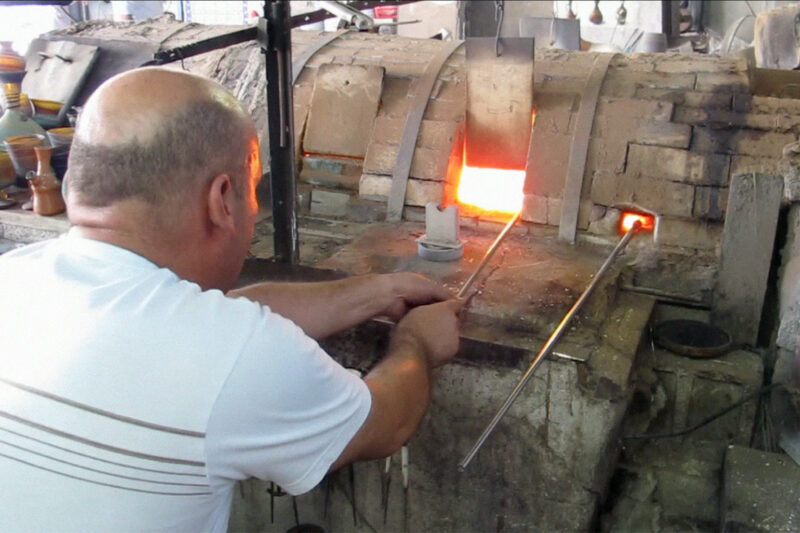
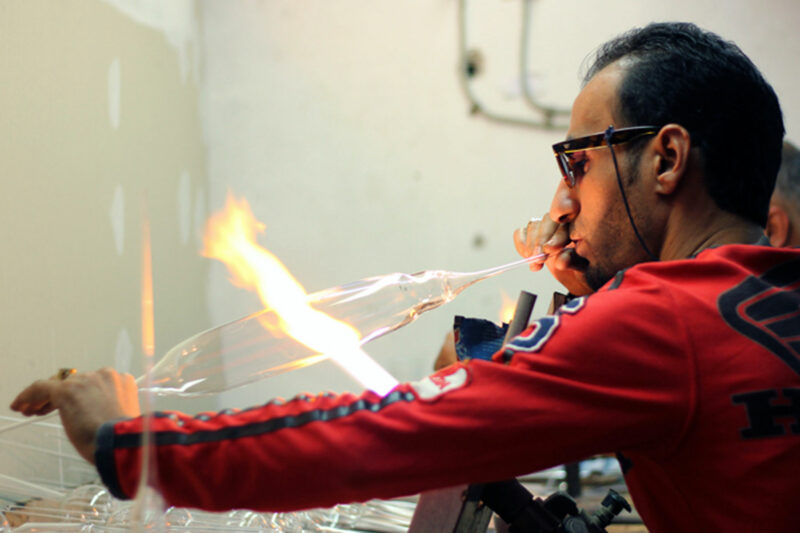
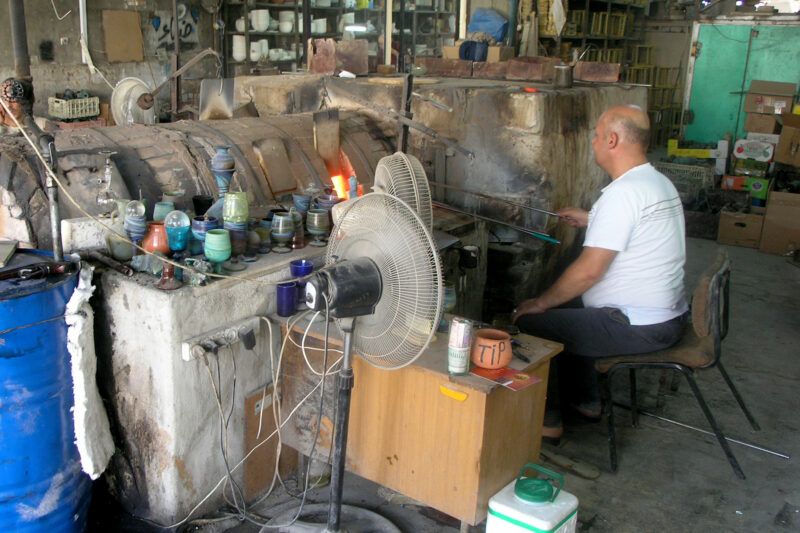
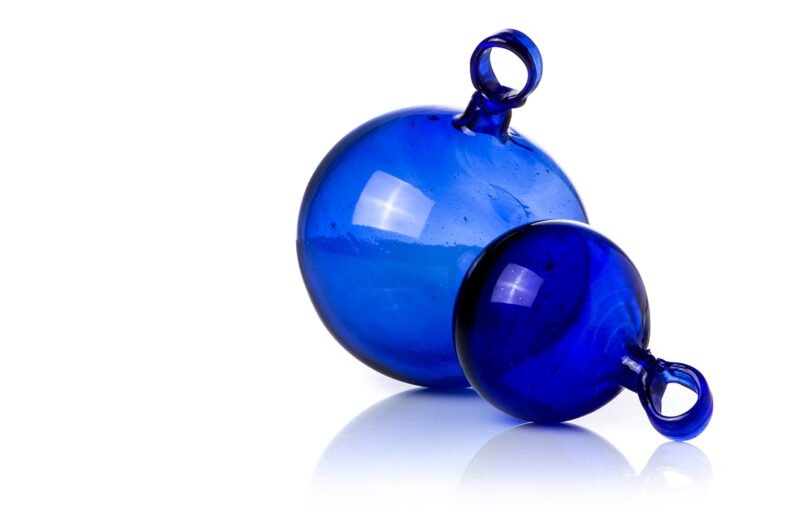
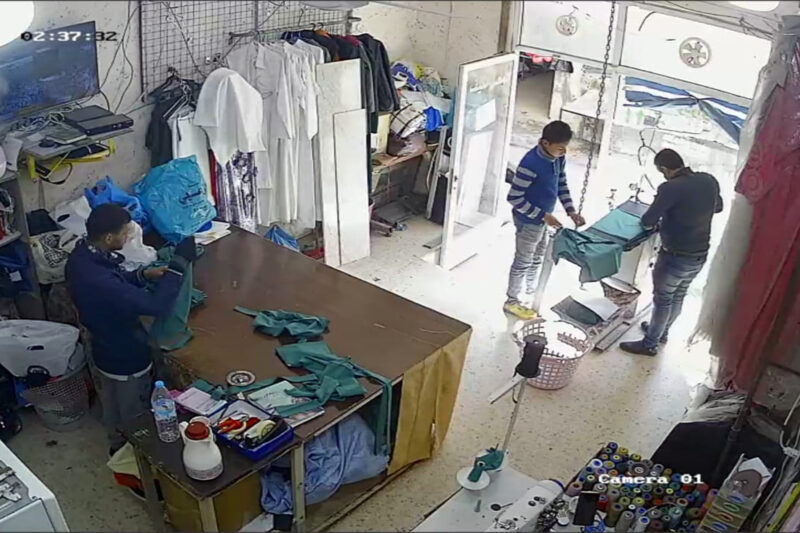
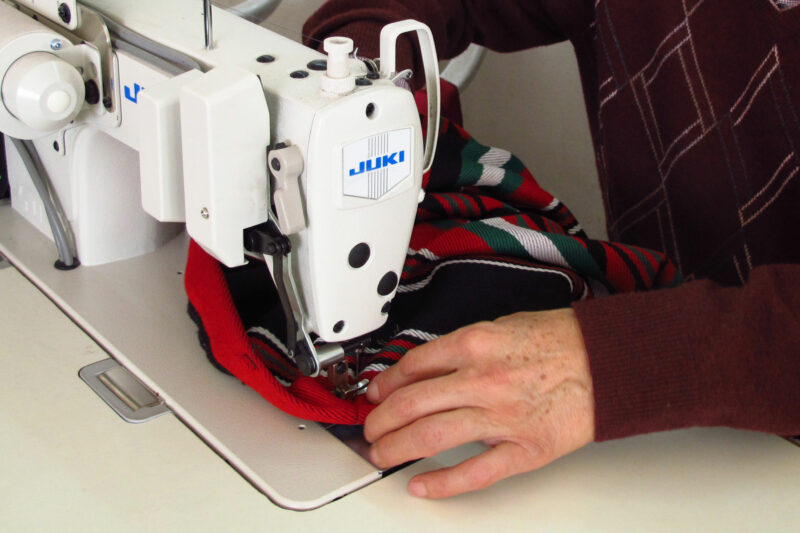
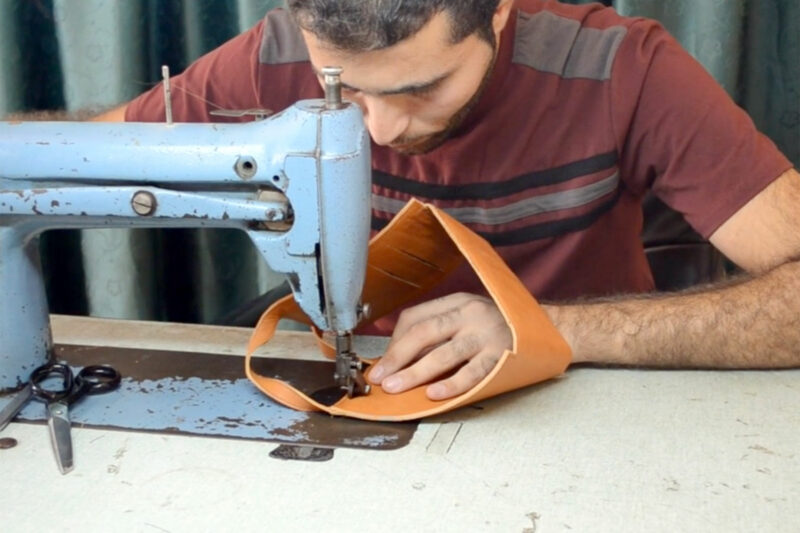
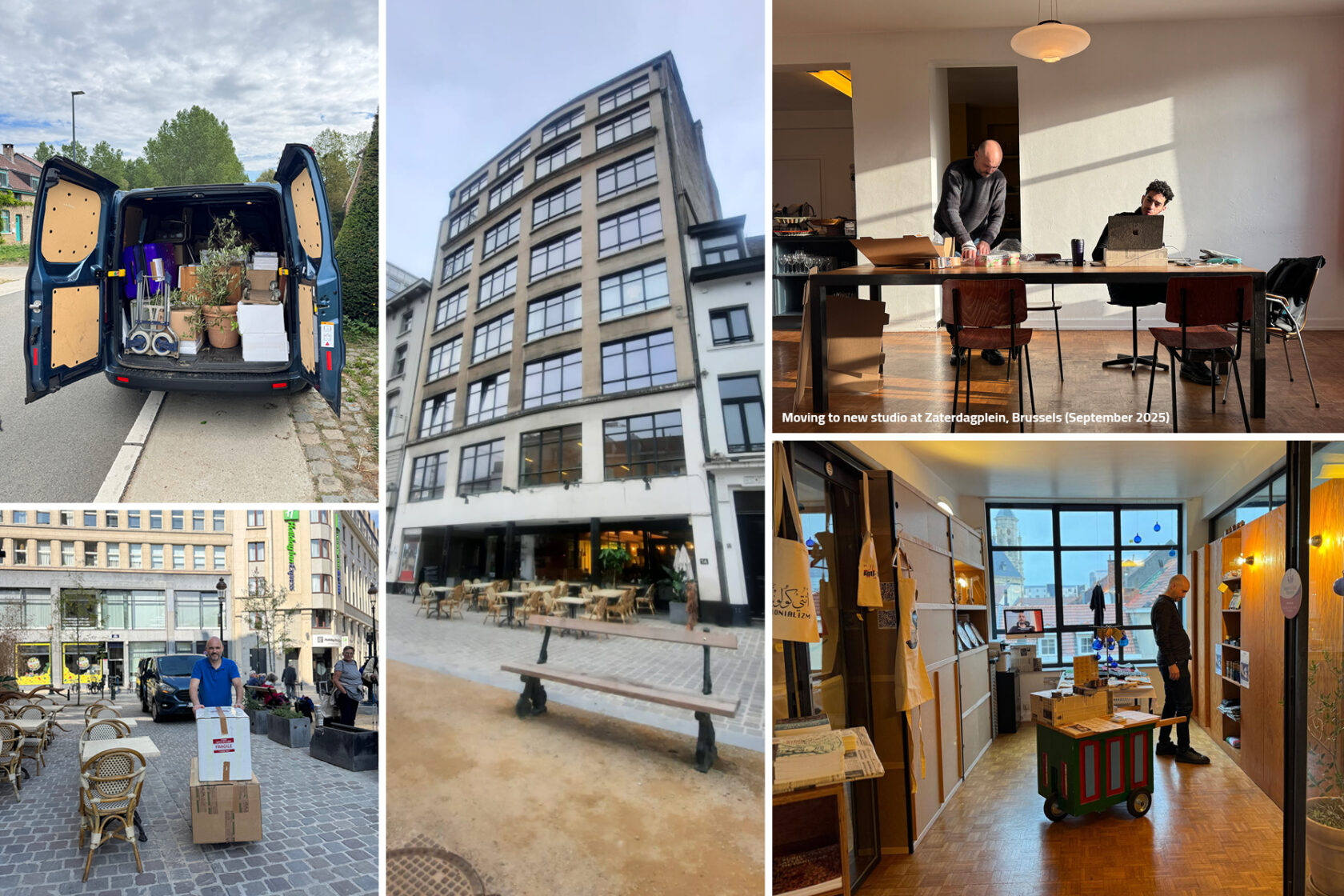
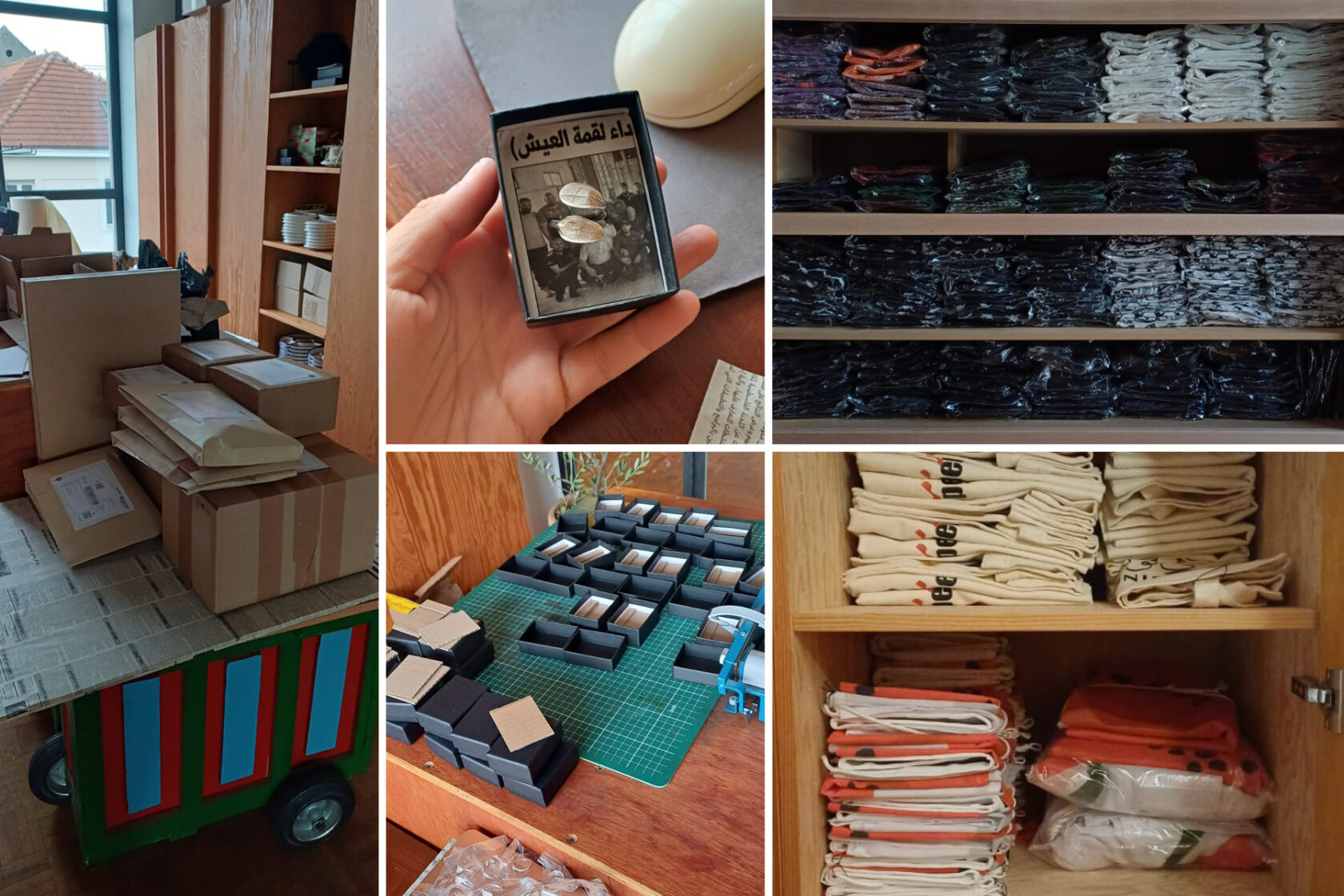
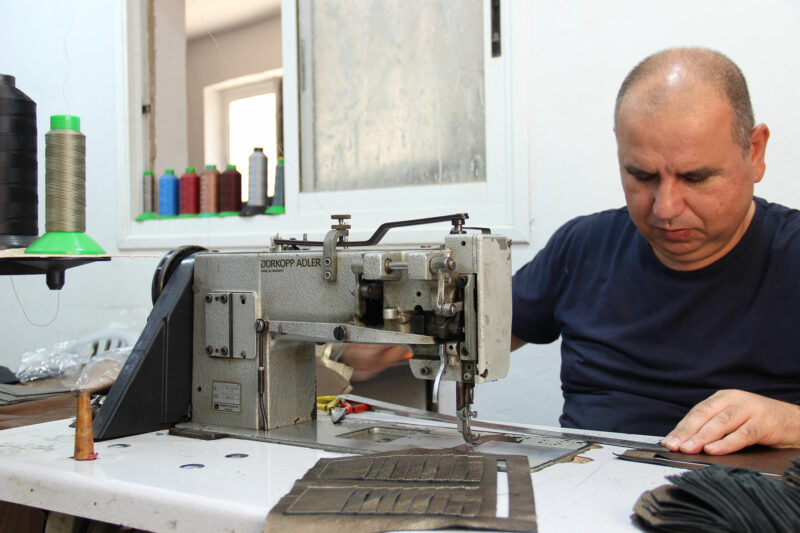
Over the summer, we moved our studio to the centre of Brussels. Our new workspace has allowed us to expand our activities, while promoting the project more firmly within a living, accessible community. Throughout the year, we took part in events across Brussels, Ghent, Bruges, Rotterdam, Eindhoven and Amsterdam, extending the conversations carried by our work into a variety of contexts and public forums. At the same time, production in Palestine continued to grow. More than 3,000 objects were made in Hebron, Bethlehem, and Ramallah, supporting local artisans and sharing the stories embedded in each design.
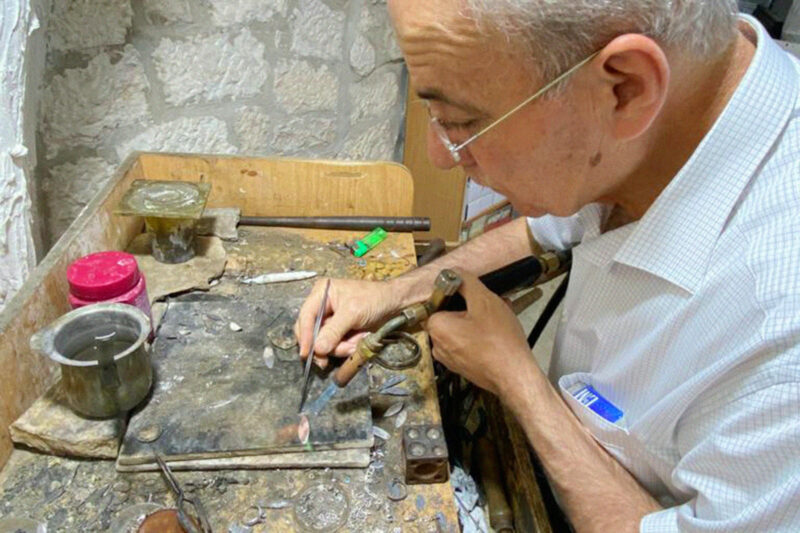
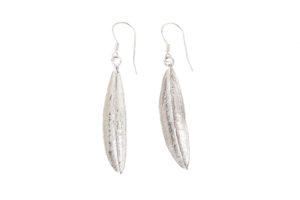
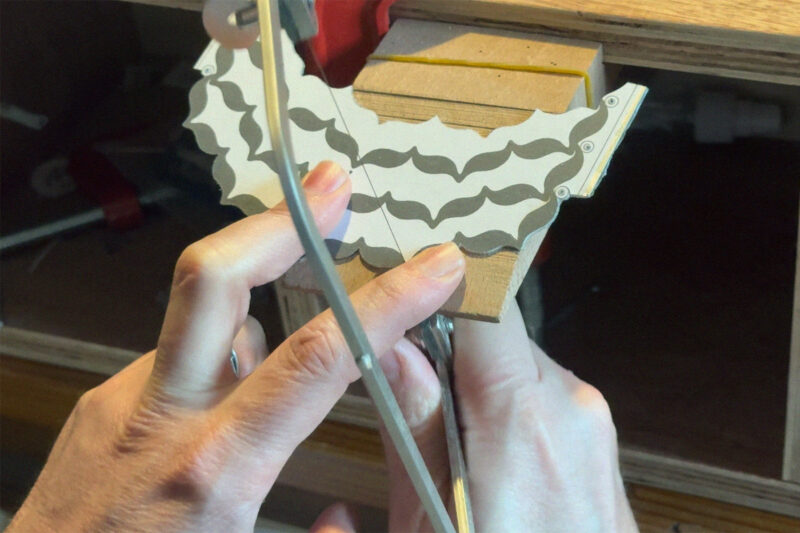
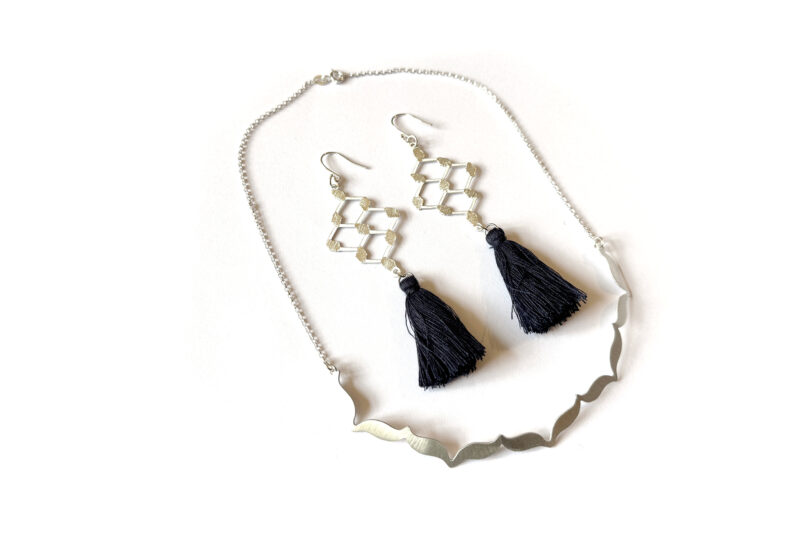
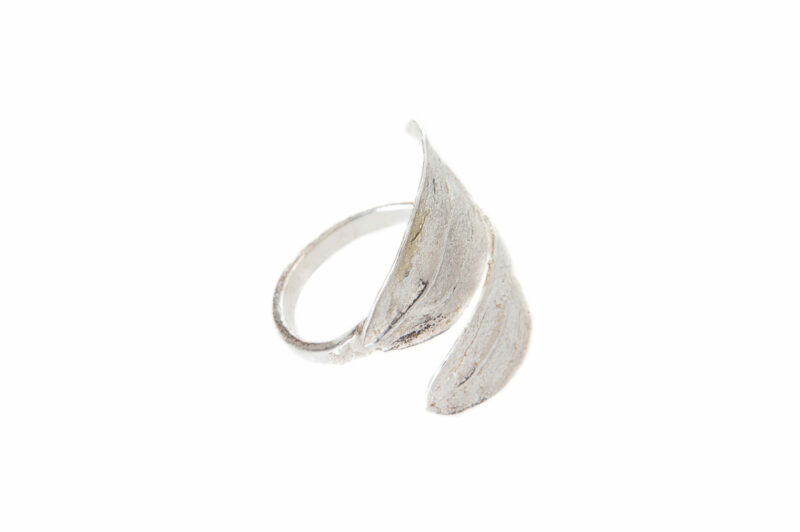
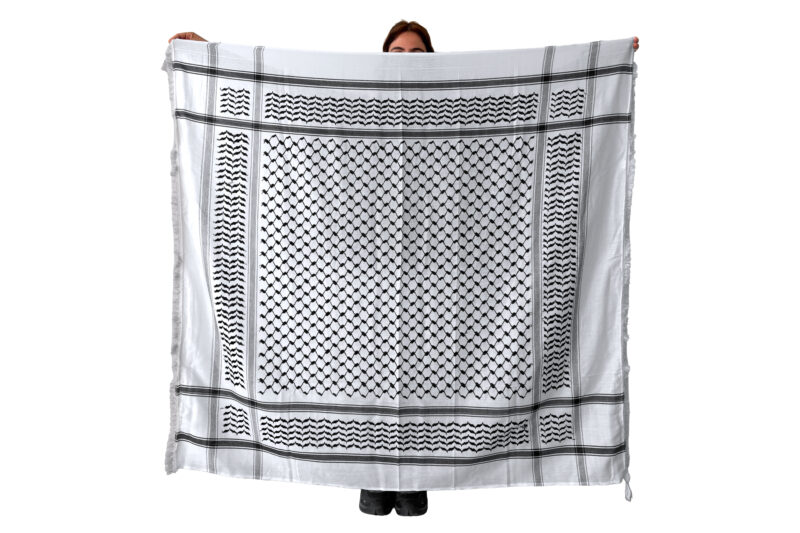
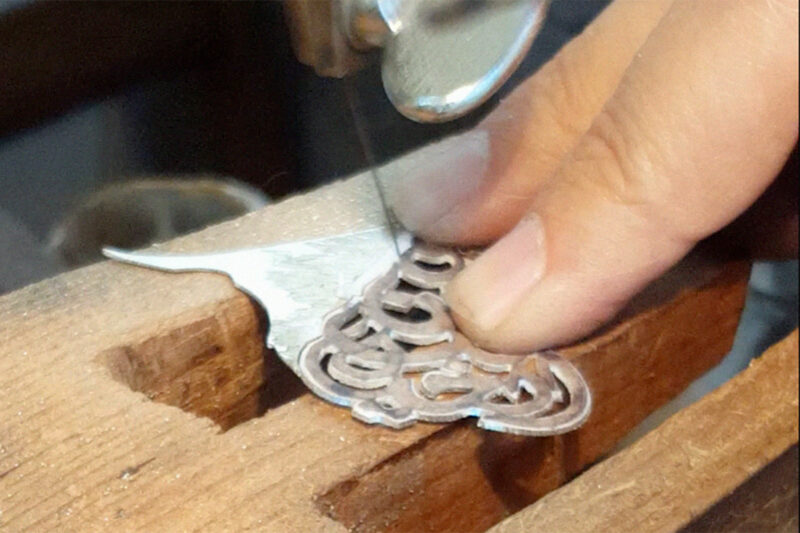
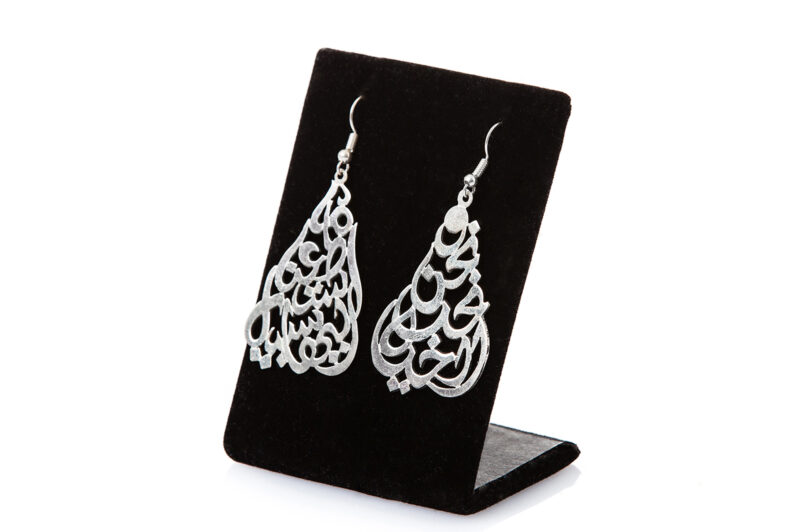
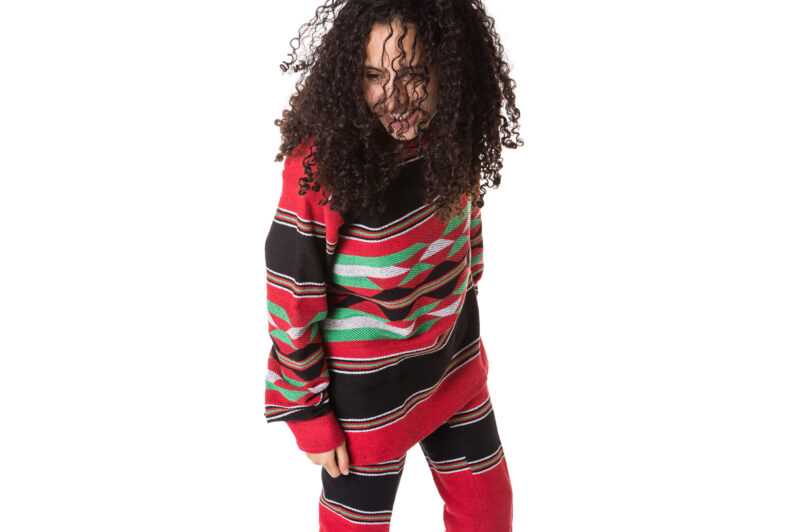
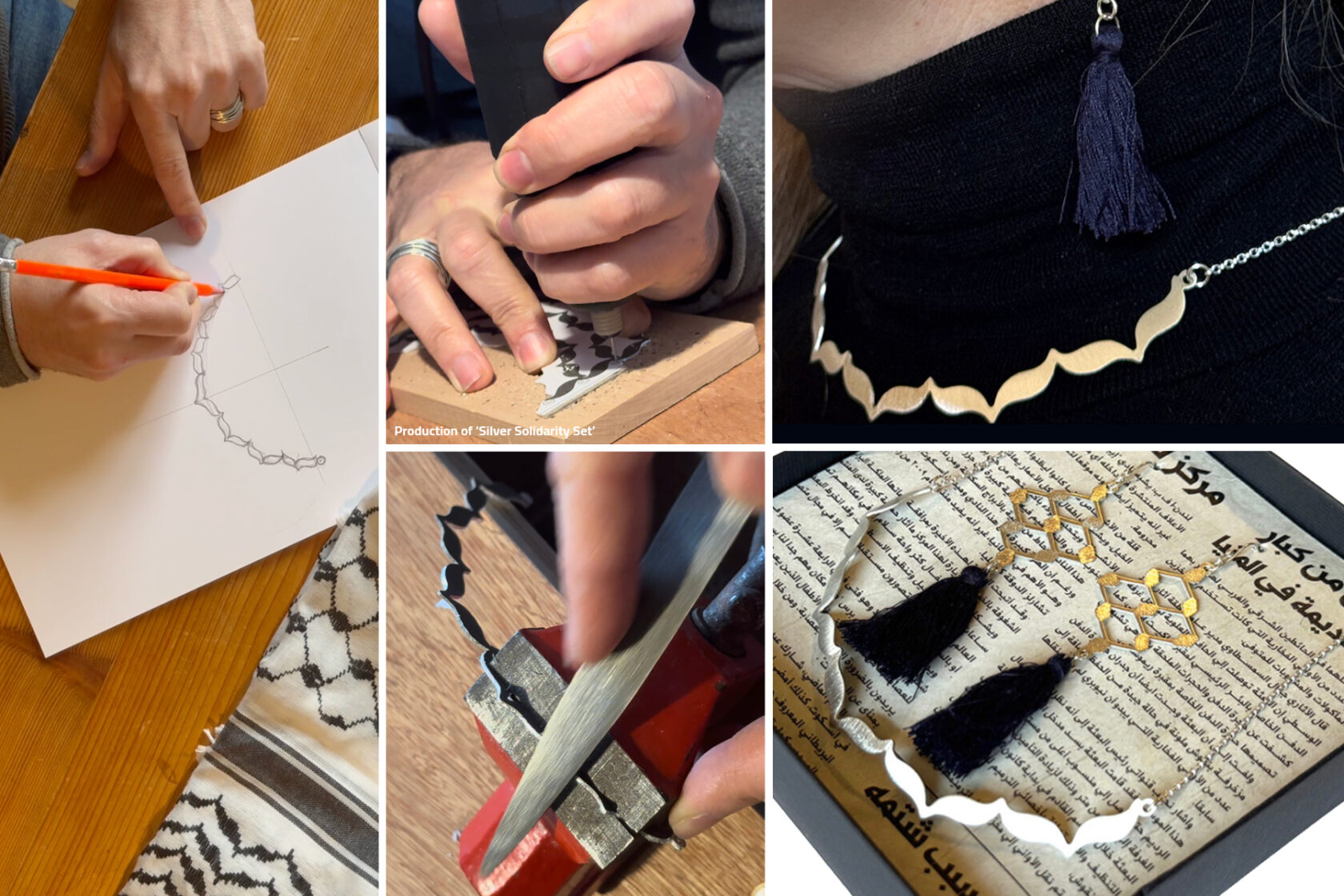
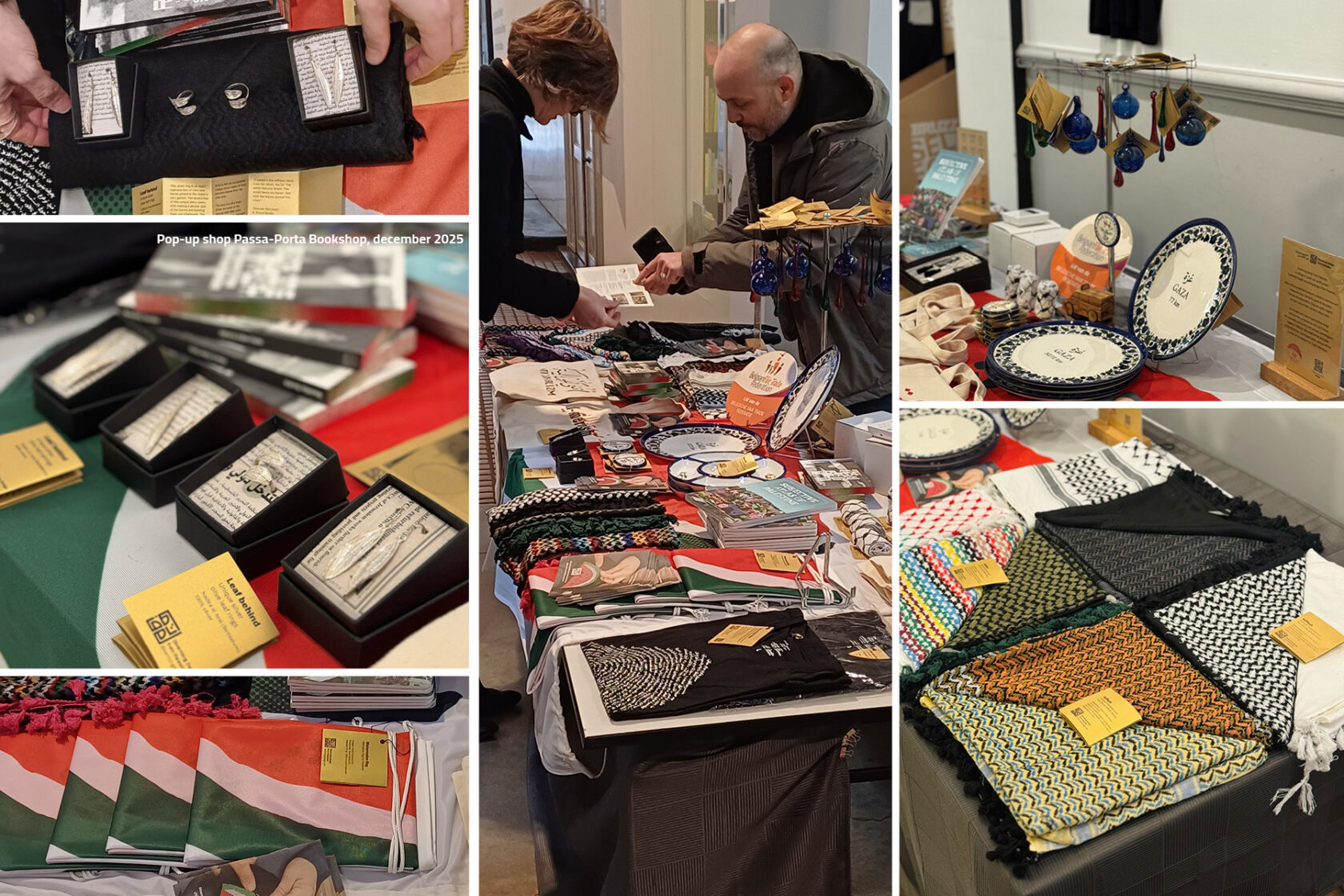
In 2025, our collection expanded with the addition of the Silver Solidarity Set by Ibrahim Muhtadi—an object that speaks directly to the moment we are living in, and to the ethics of making and exchange under conditions of ongoing violence. Inspired by the keffiyeh, Muhtadi’s handcrafted silver choker and earrings translate the iconic pattern into contemporary form.
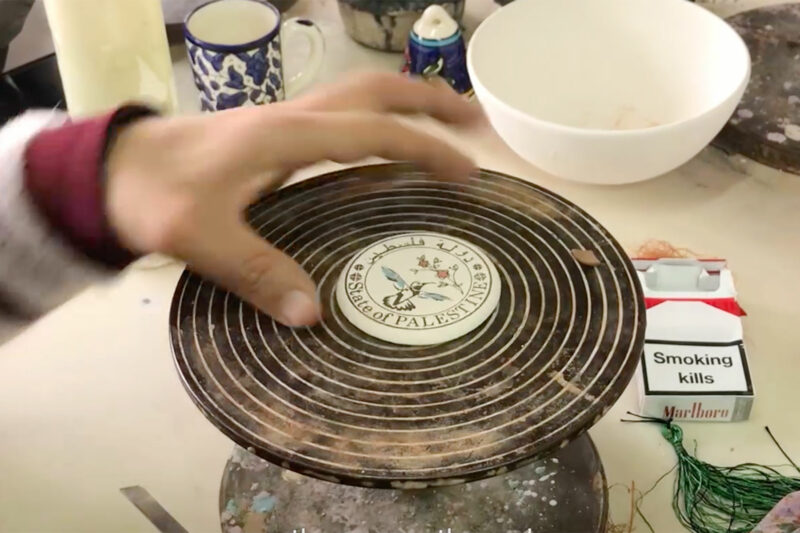
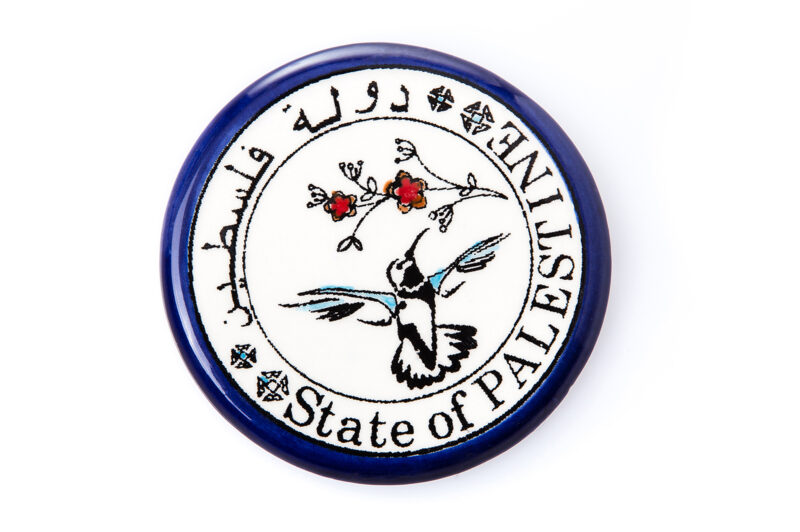
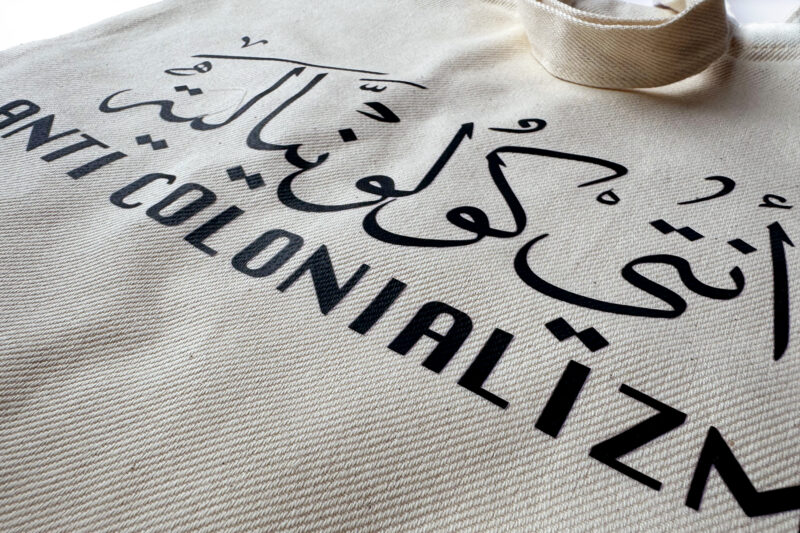
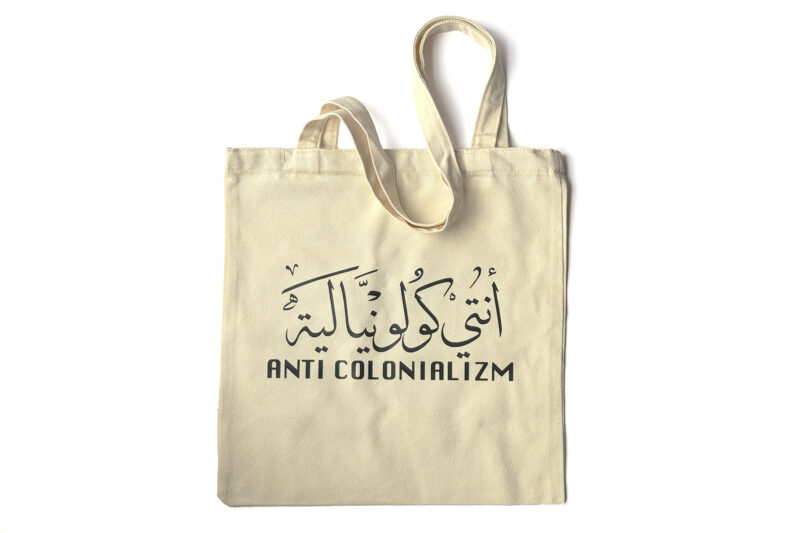
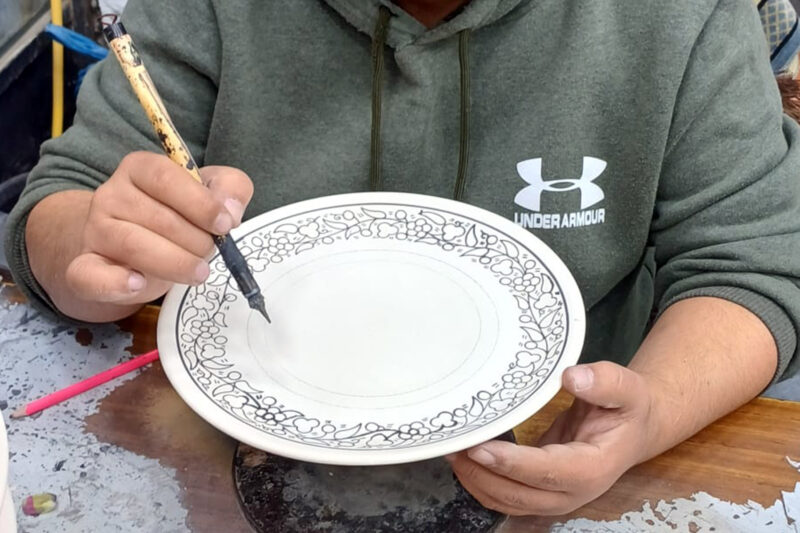
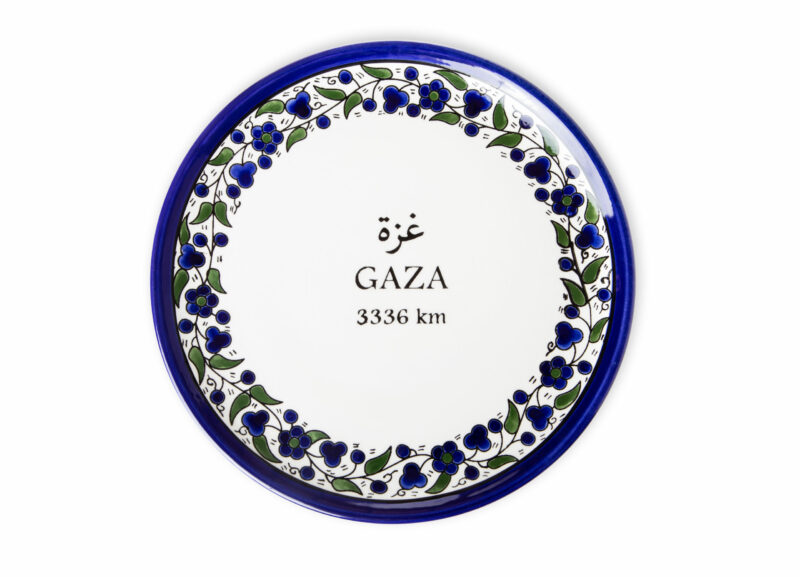
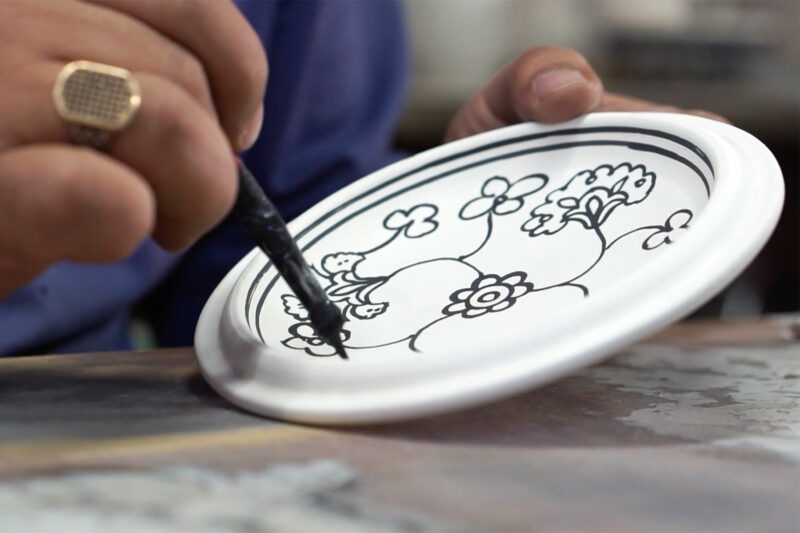
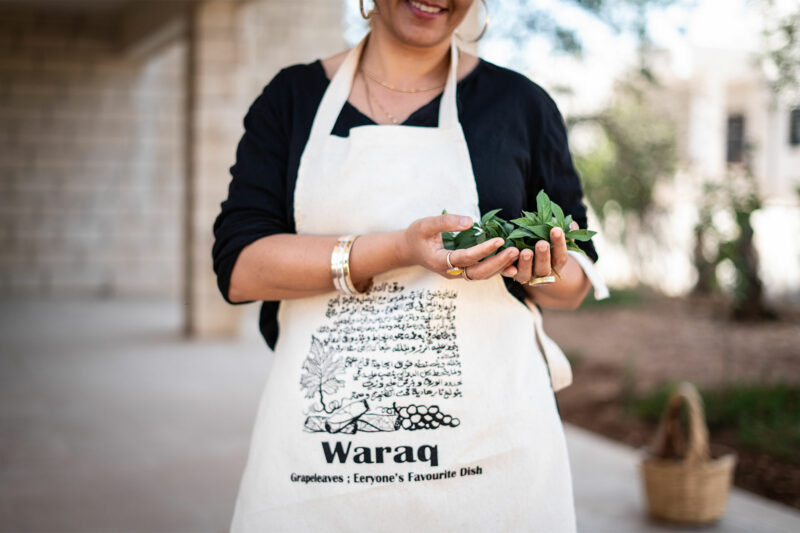
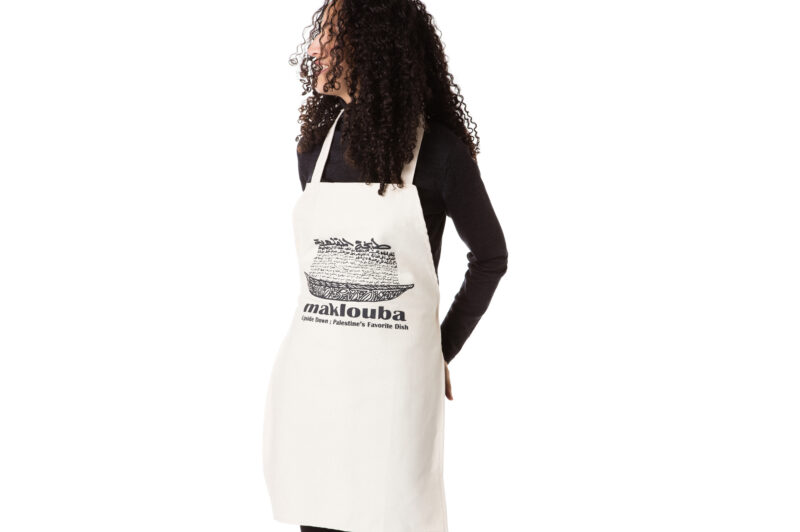
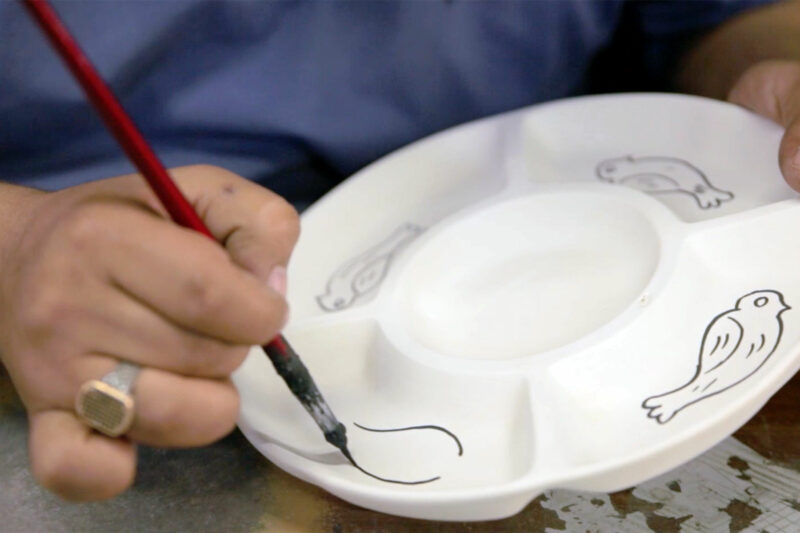
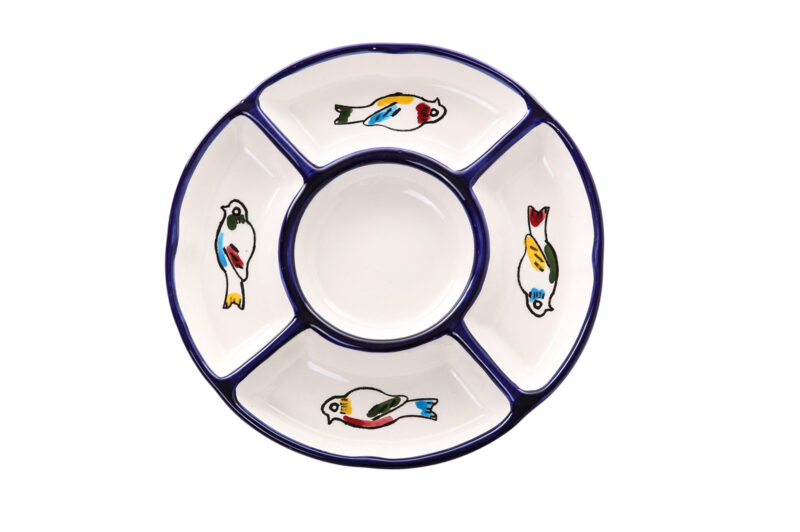
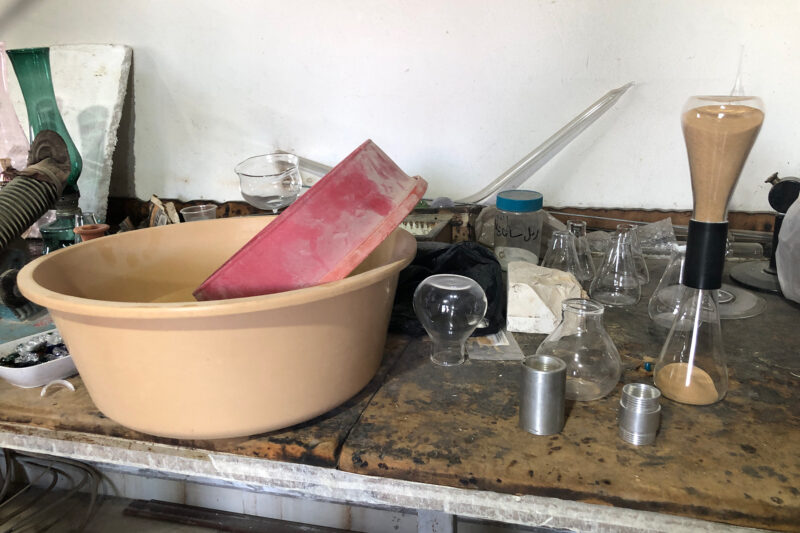
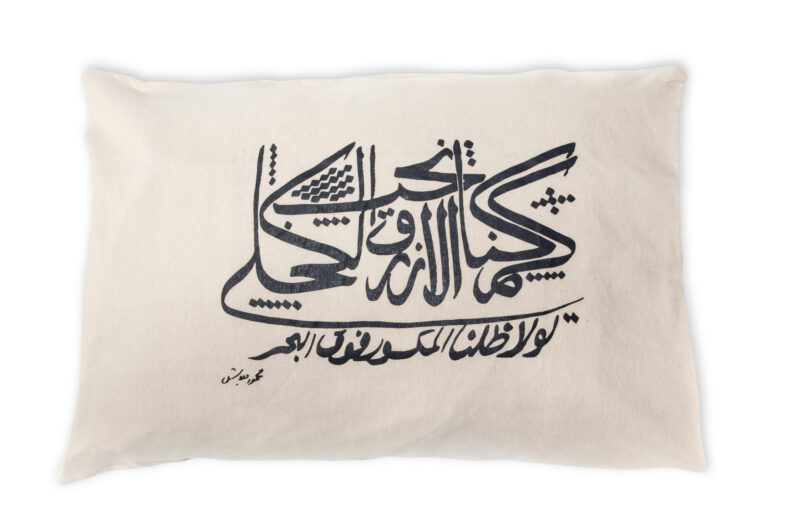
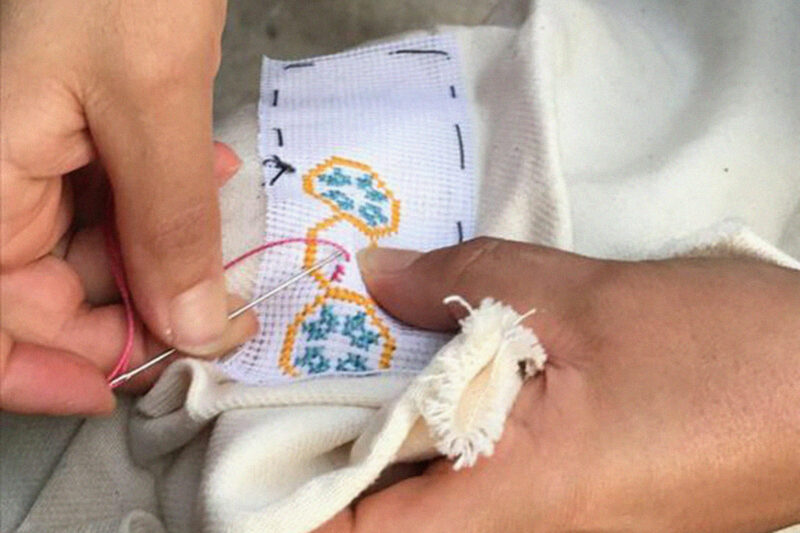
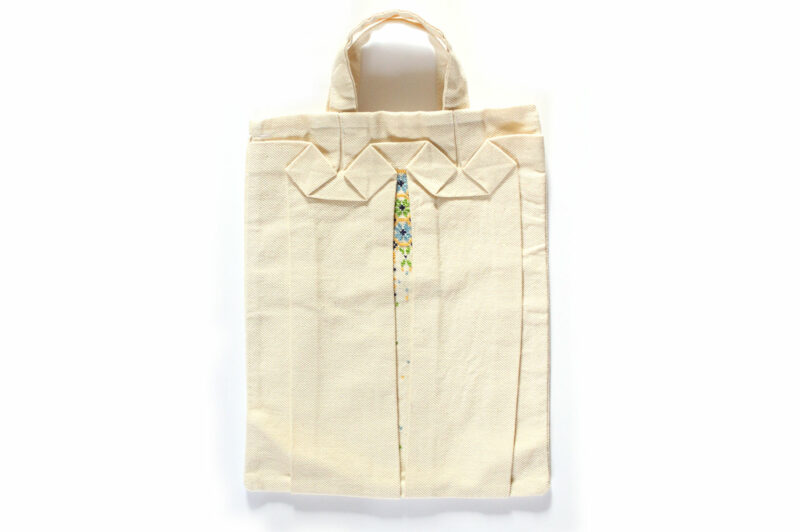
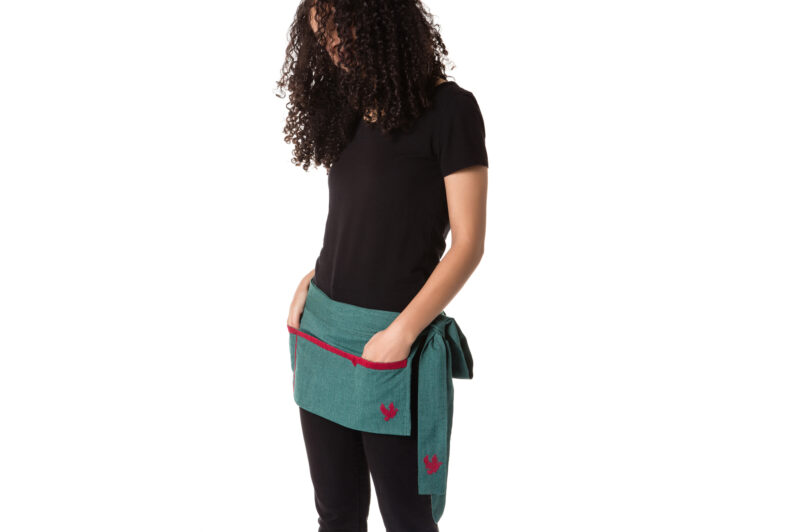
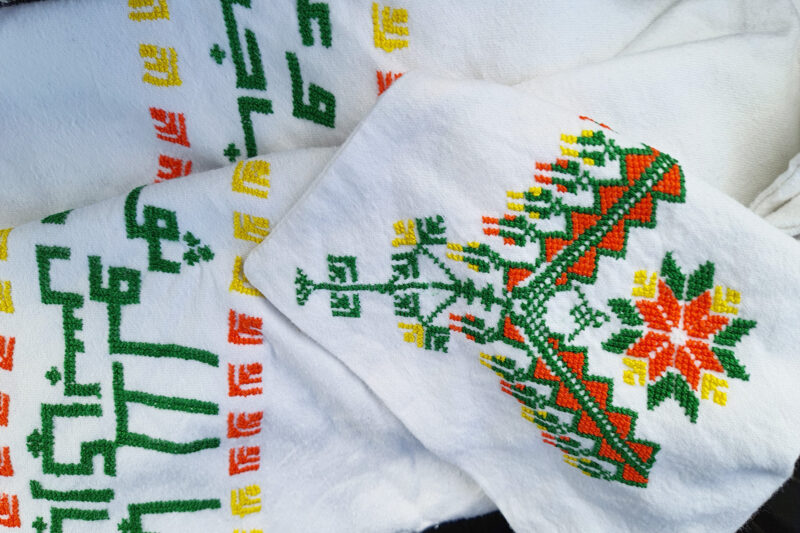
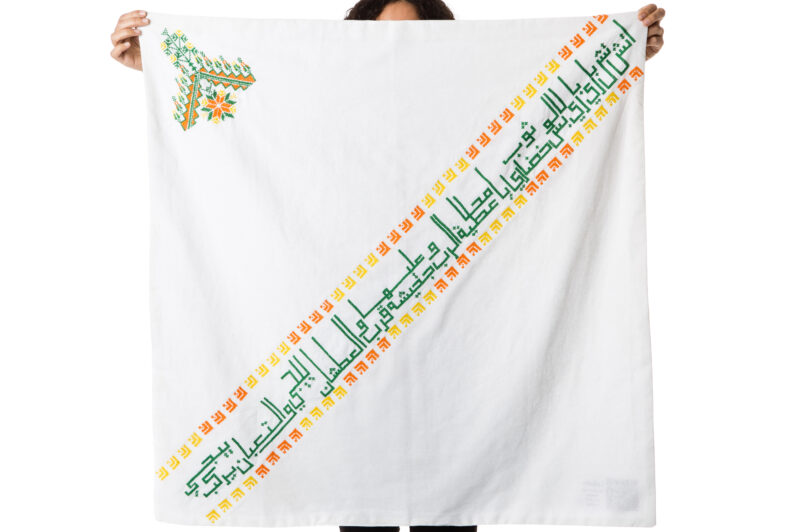
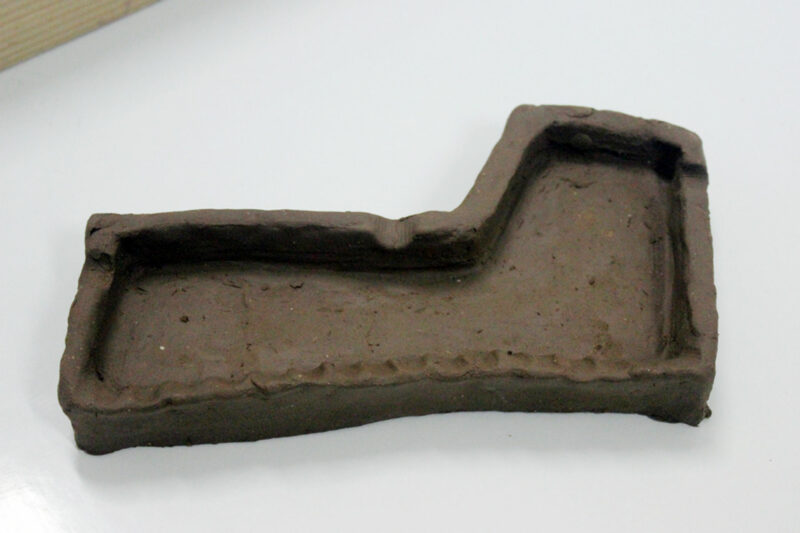
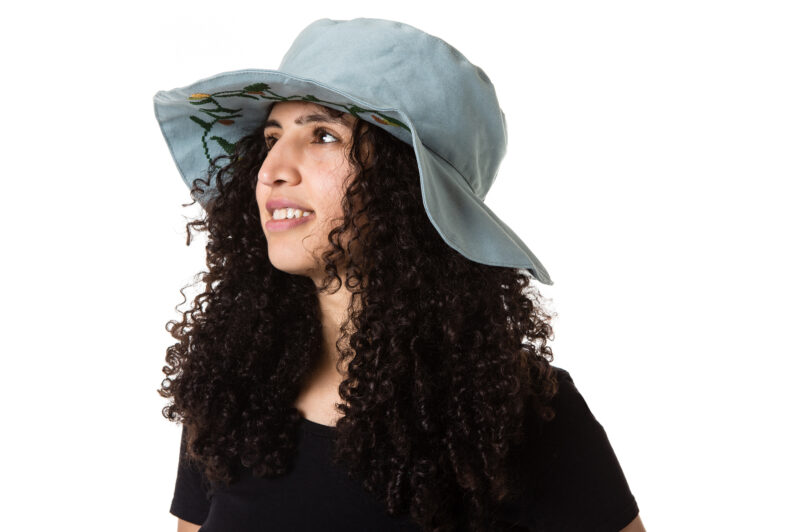
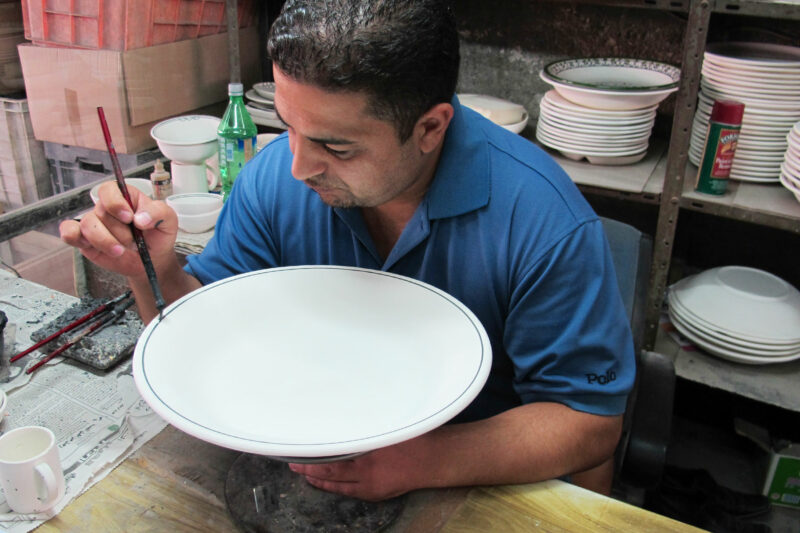
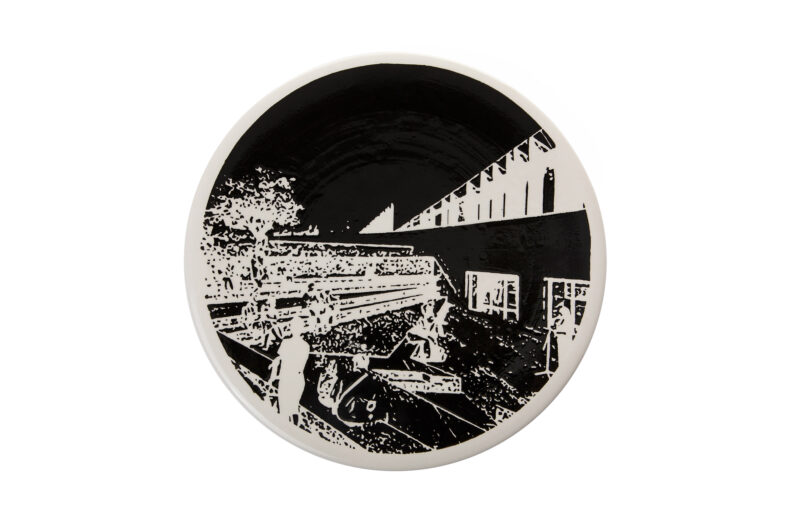
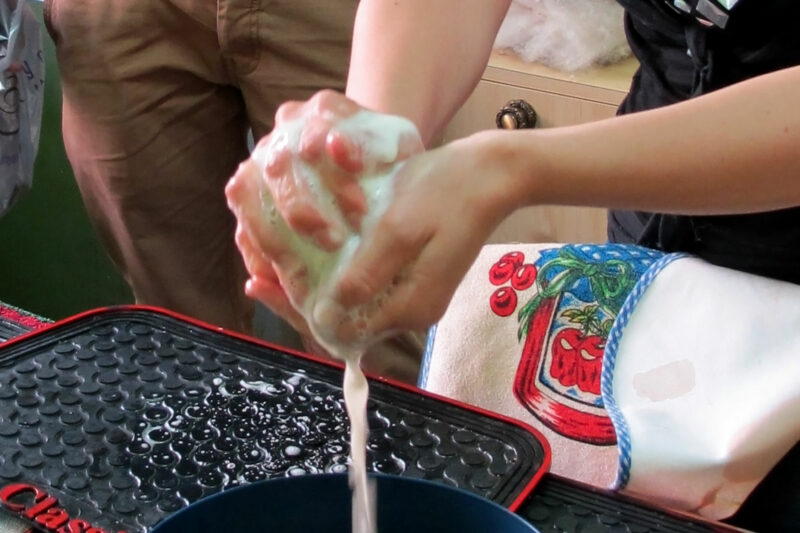
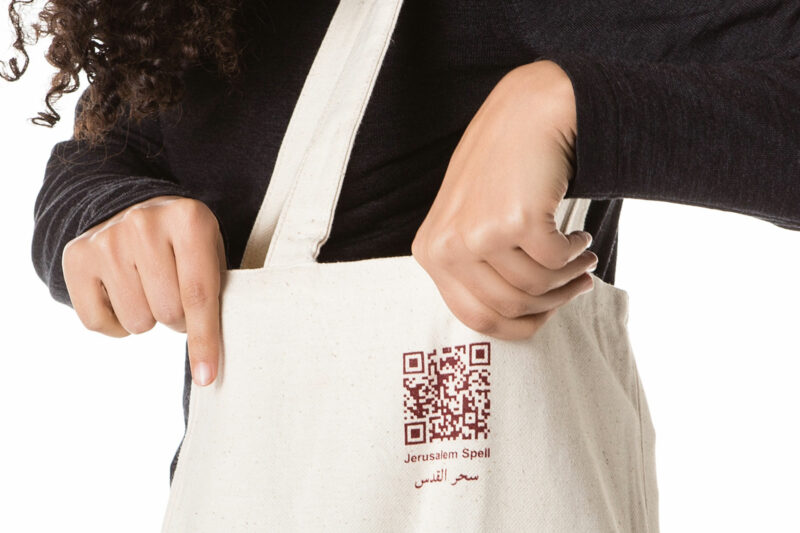
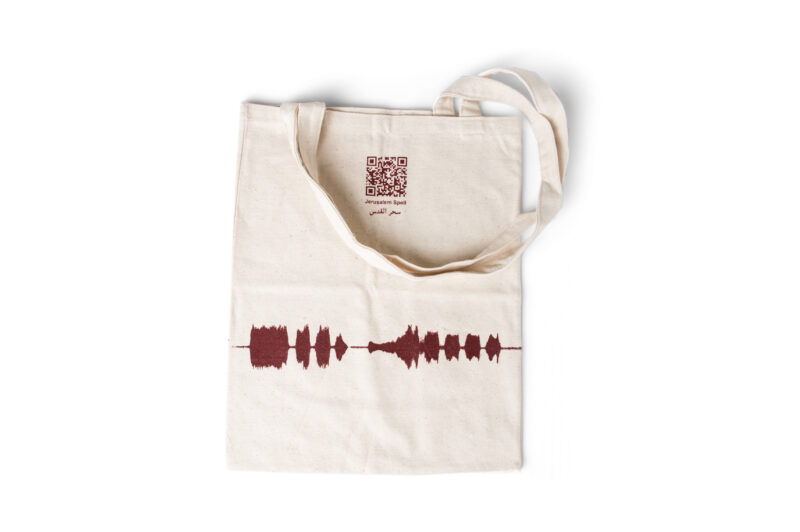
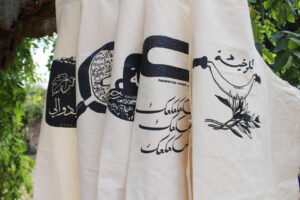
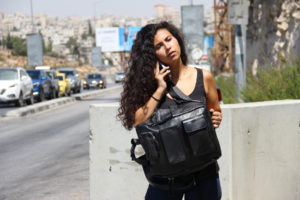
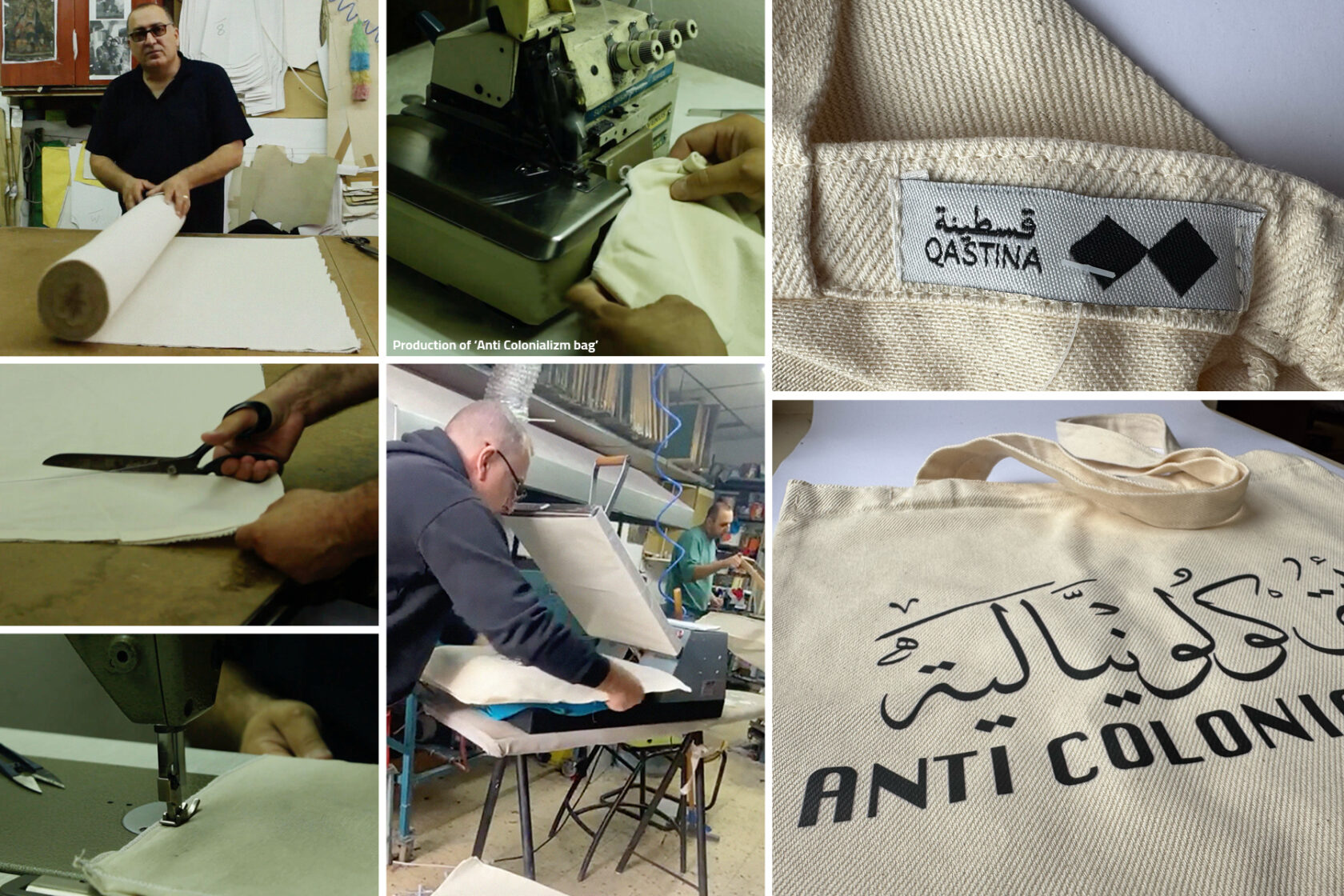
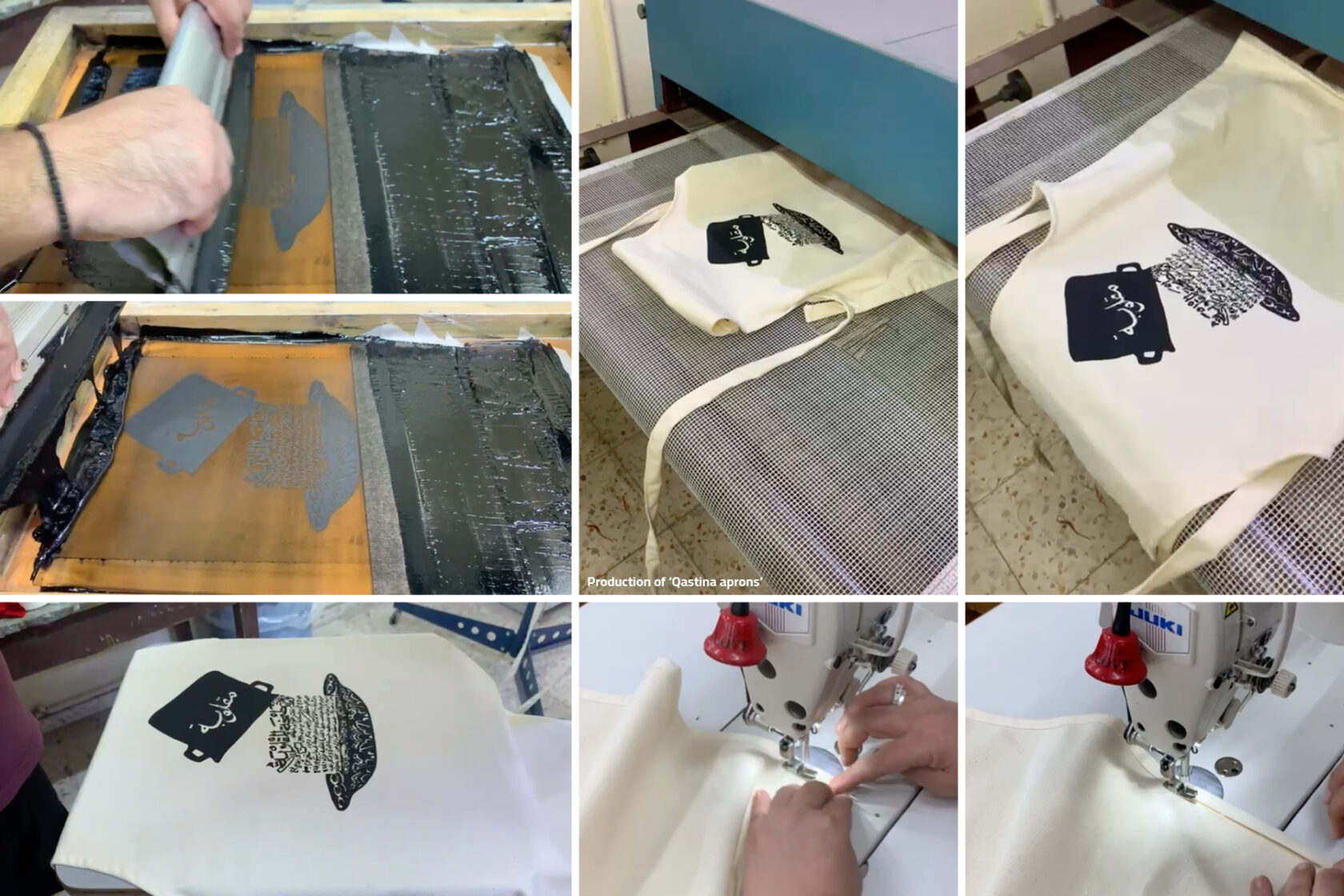
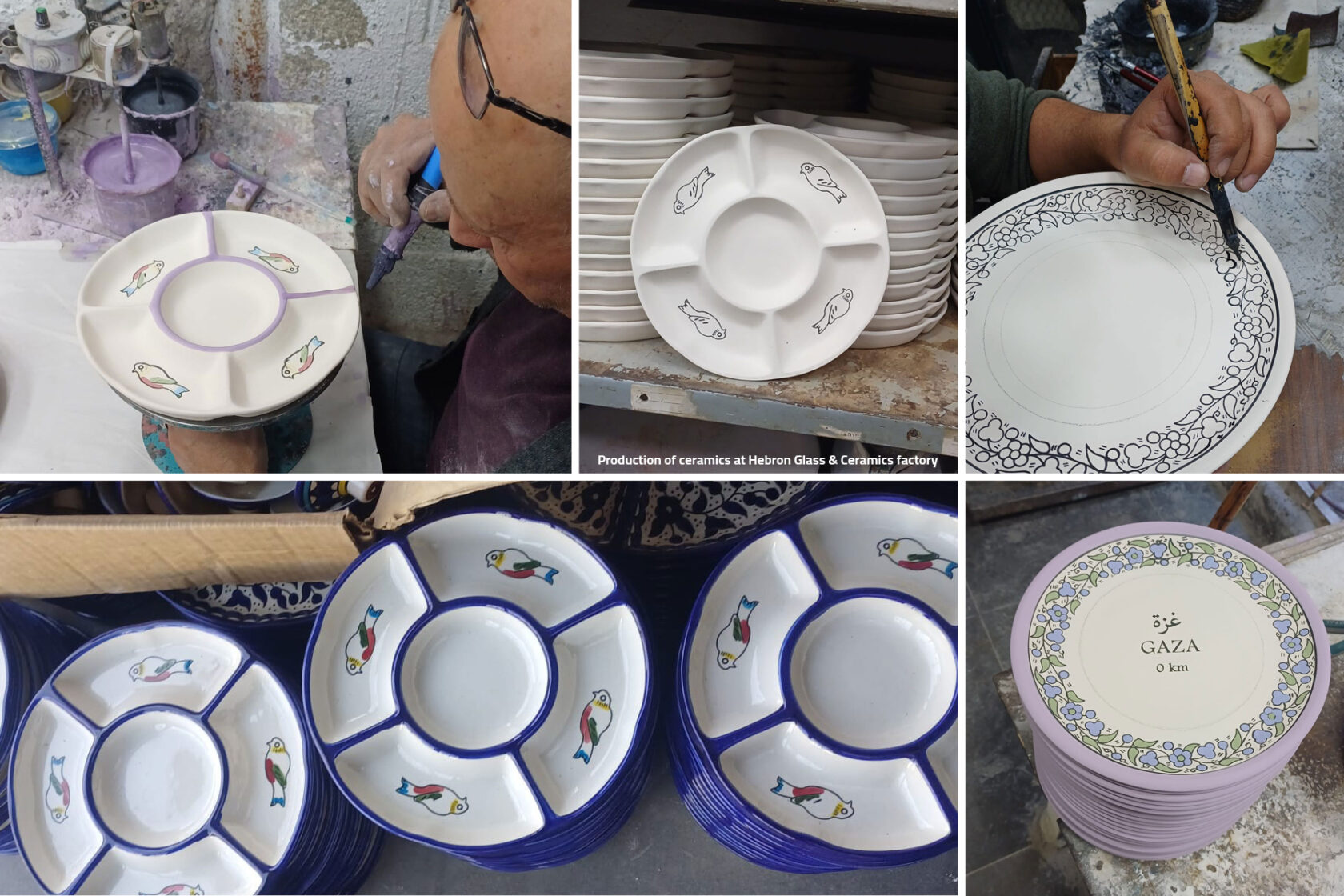
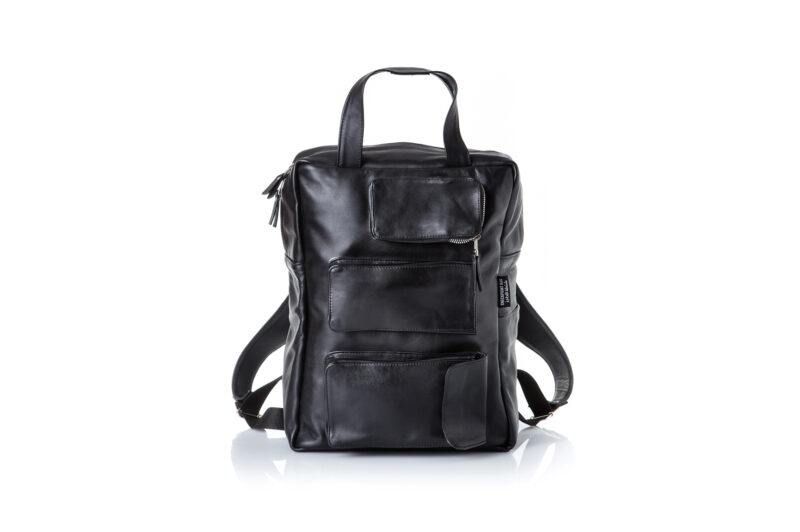
Meanwhile, Qastina Design produced more Anti-Imperialism and Anti-Colonializm bags, as well as aprons with Palestinian recipes. In Hebron, more birdplates were made amongst other ceramics. These pieces carry Palestinian identity not as a symbol alone, but as a lived practice—holding resistance, resilience, and solidarity across borders.
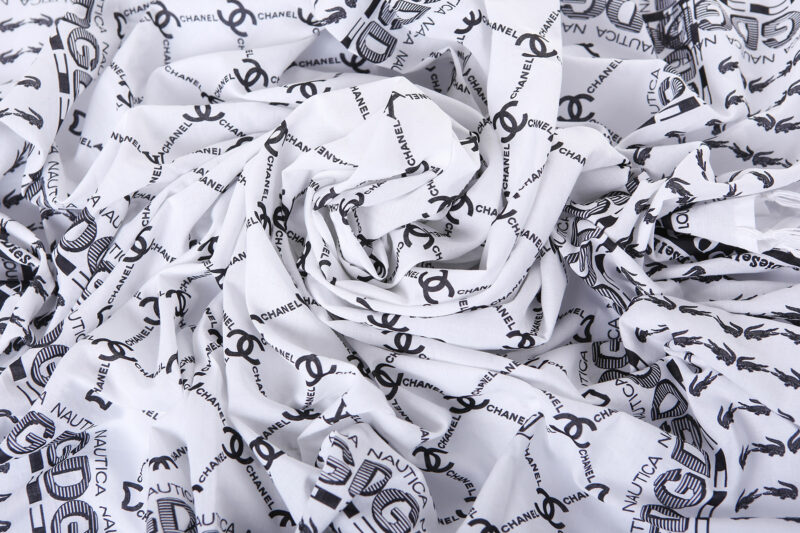
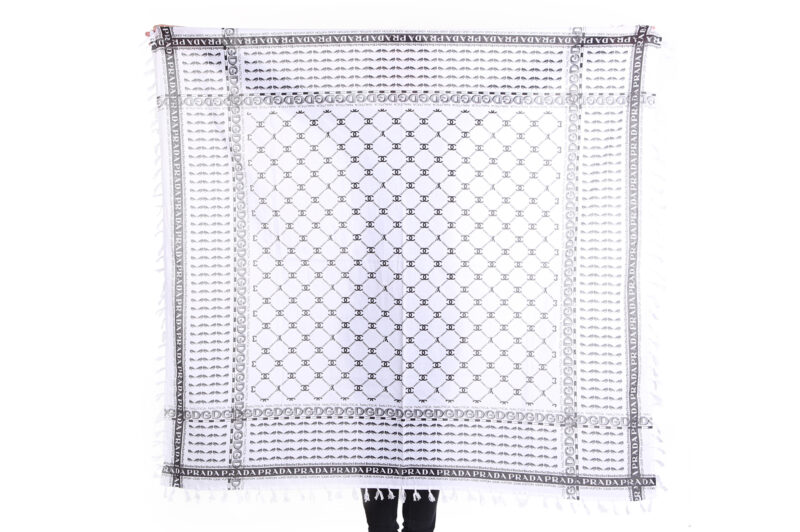
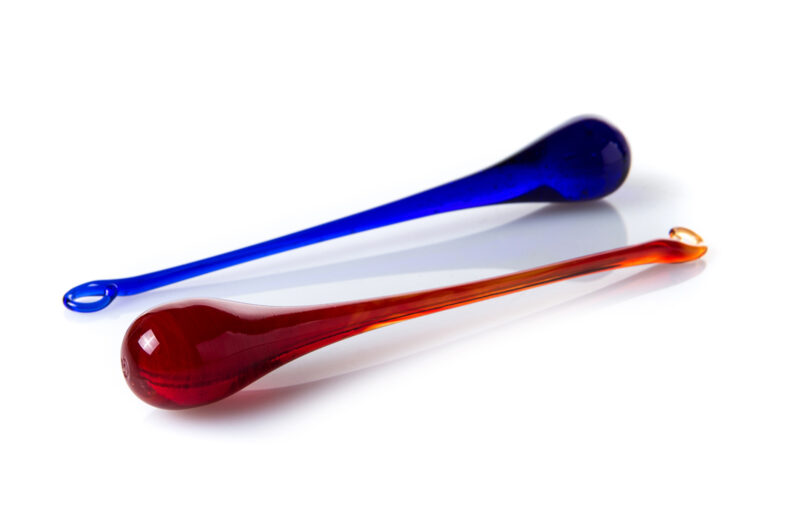
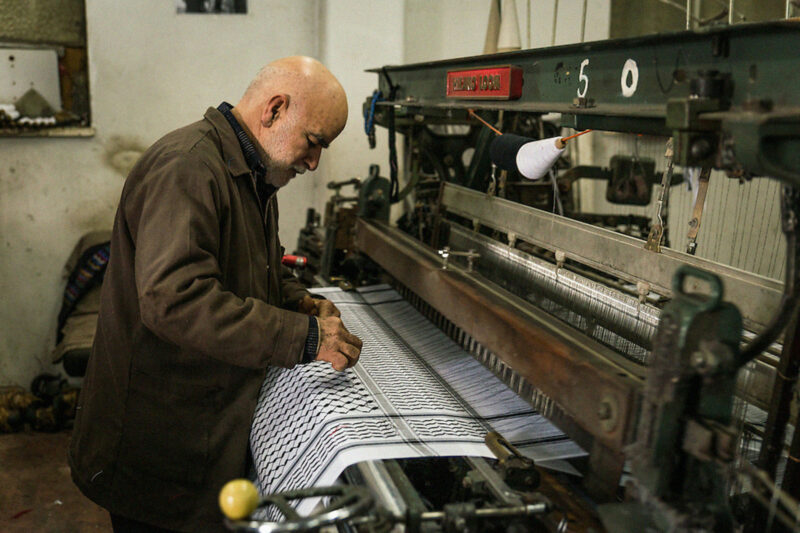
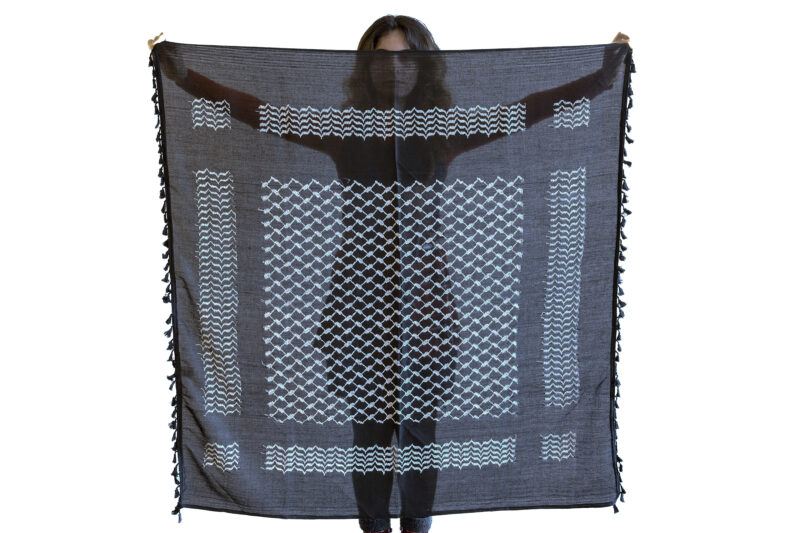
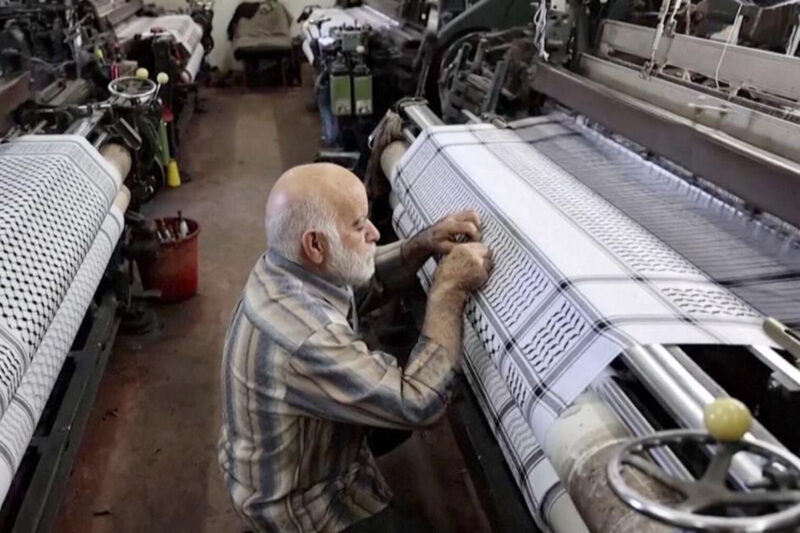
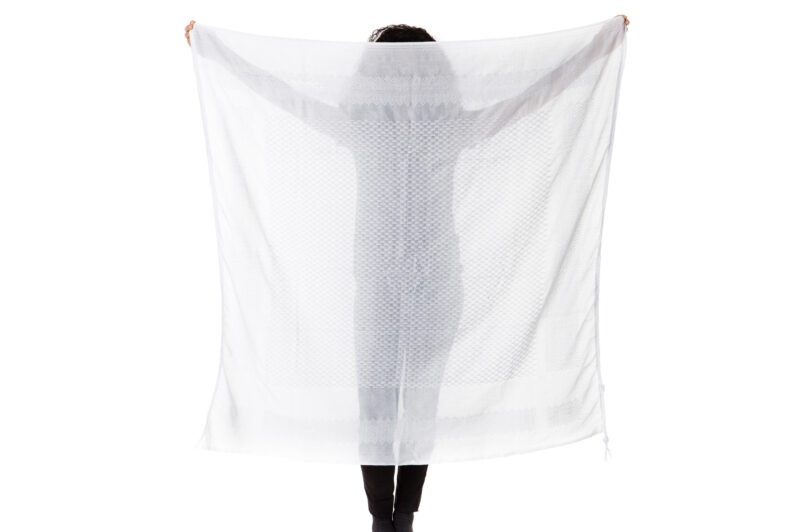
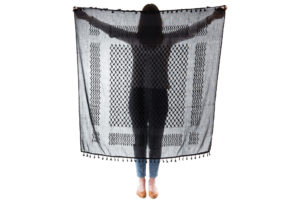
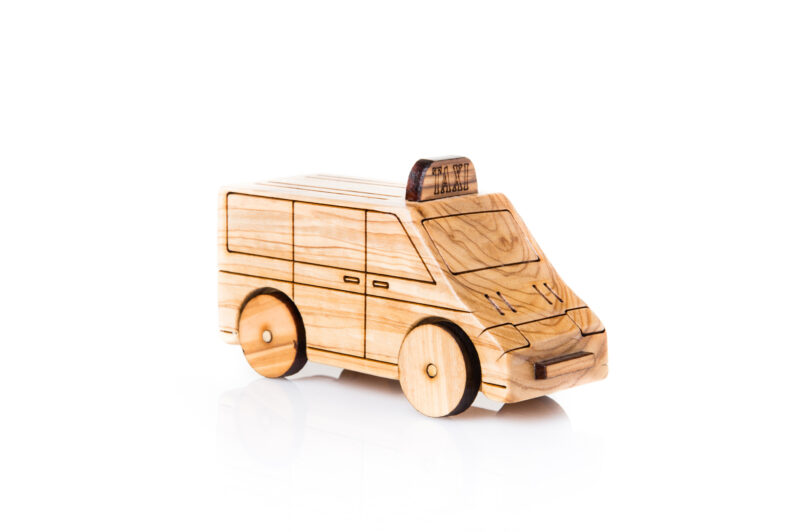
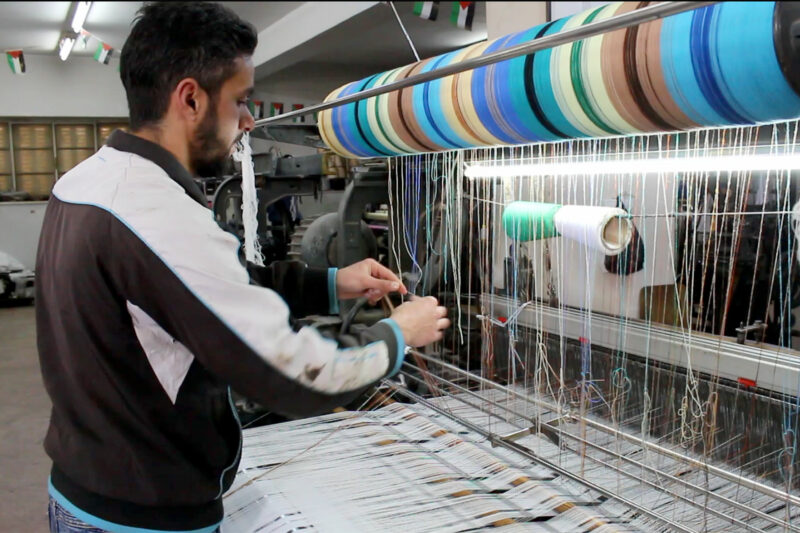
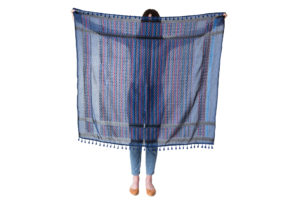
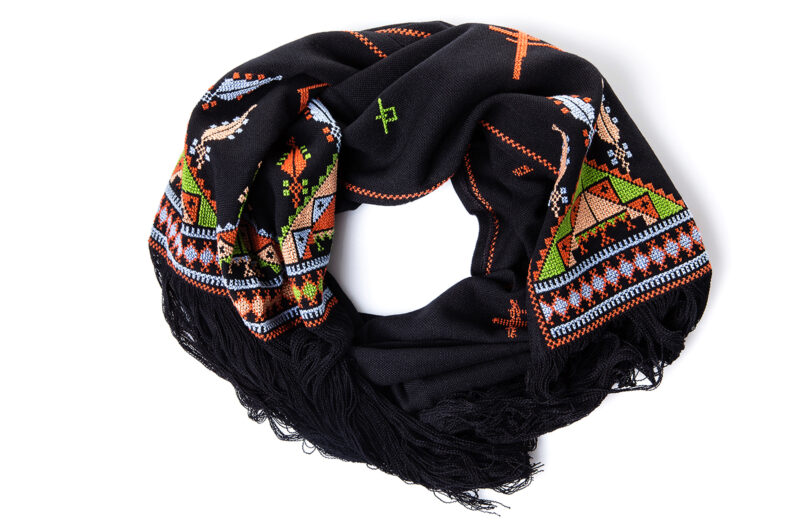
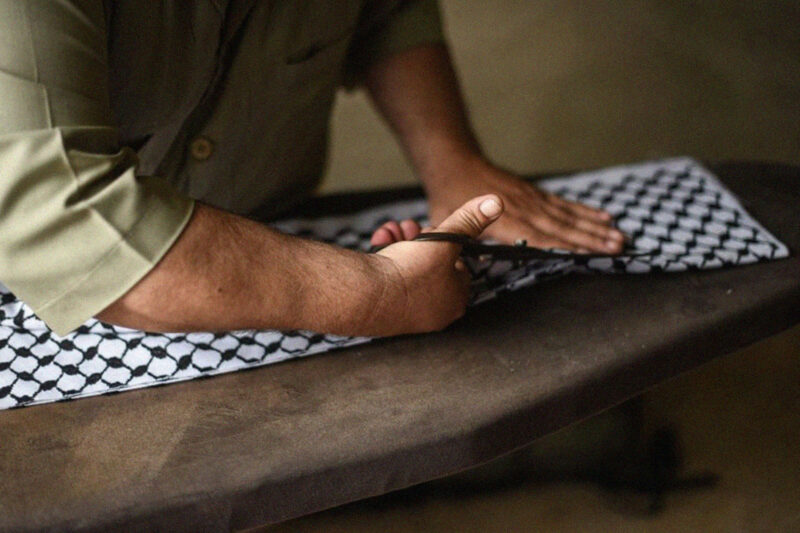
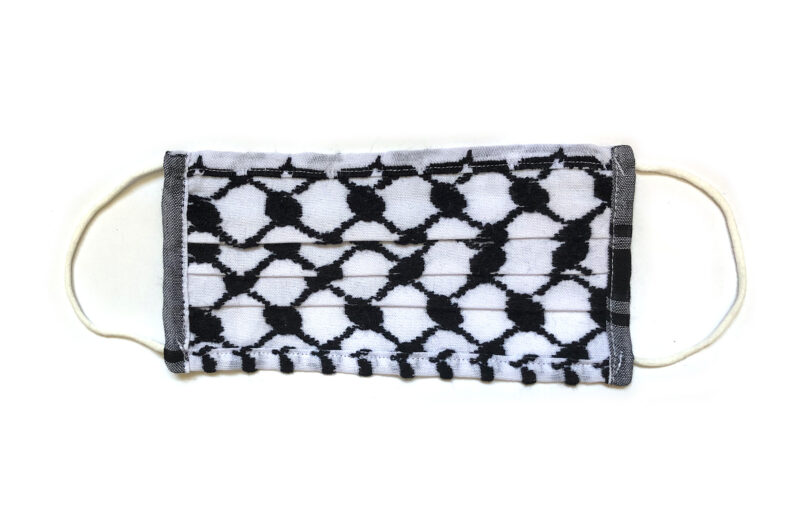
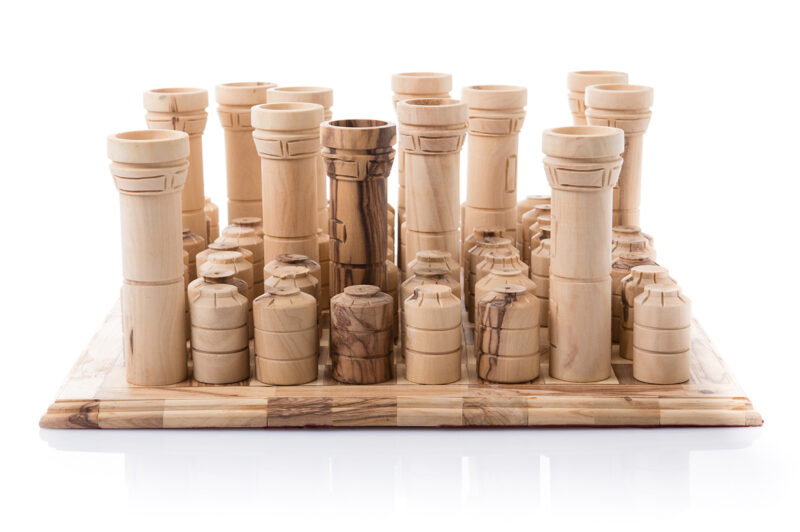
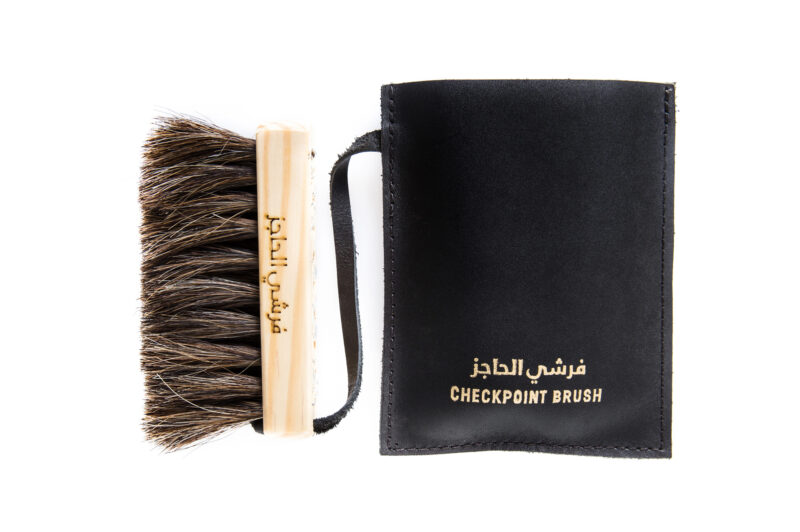
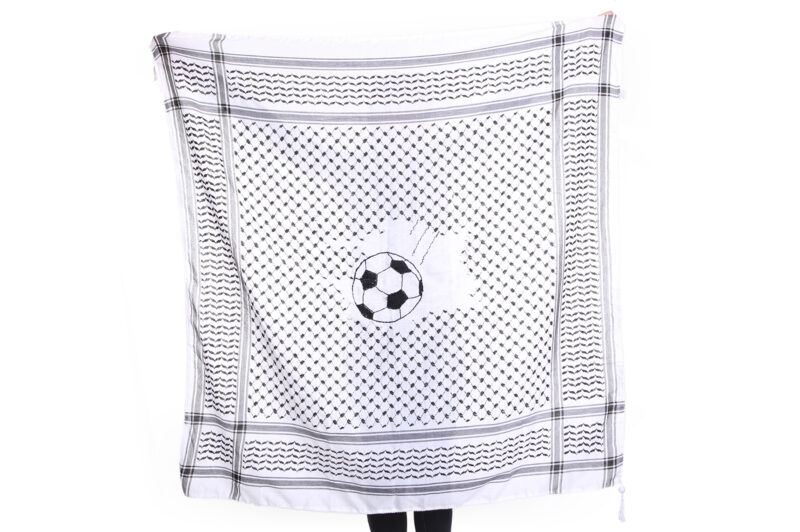
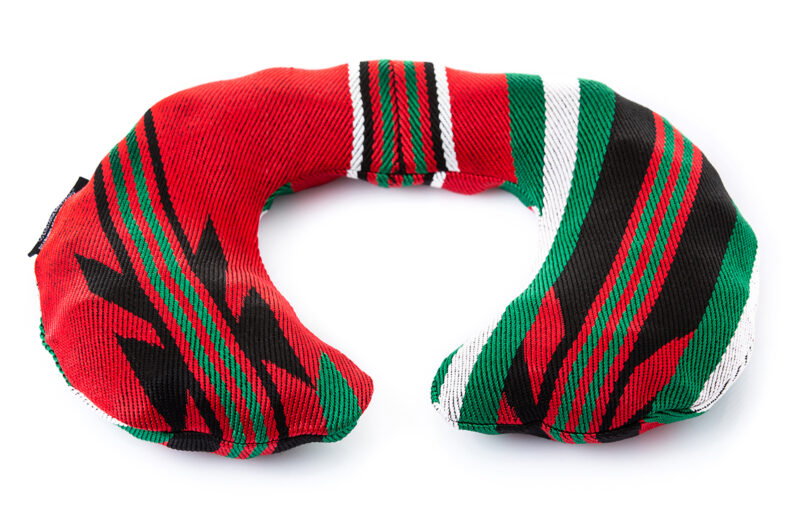
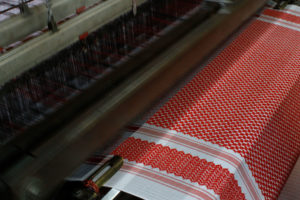
Thanks to the growing interest in our designs, production in Palestine could be maintained and expanded—from ceramics and earrings to the original Herbawi keffiyehs, which became our most widely distributed product this year. While modest in scale, this work contributed directly to the livelihoods of artisans who work under extremely precarious circumstances.
As mobility in the West Bank became further restricted and local markets collapsed, international orders became essential. Increased circulation and sales enabled continued production, offering crucial support to partners whose daily lives and working conditions were profoundly disrupted.
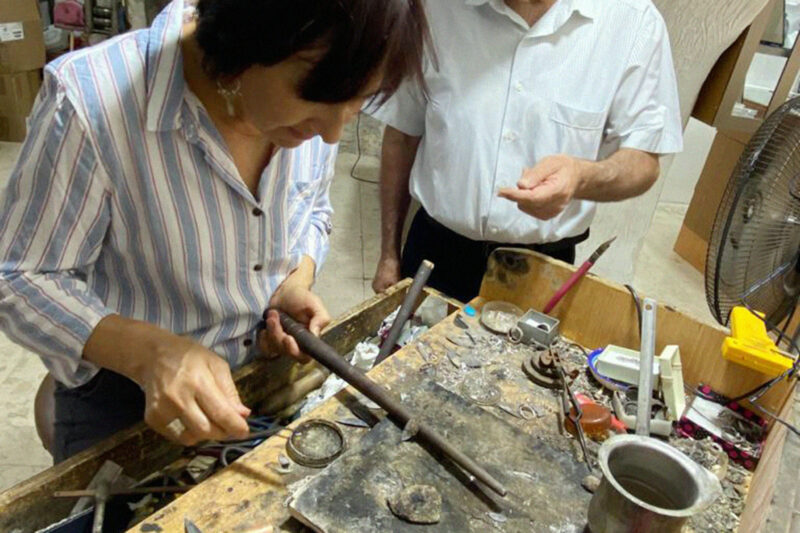
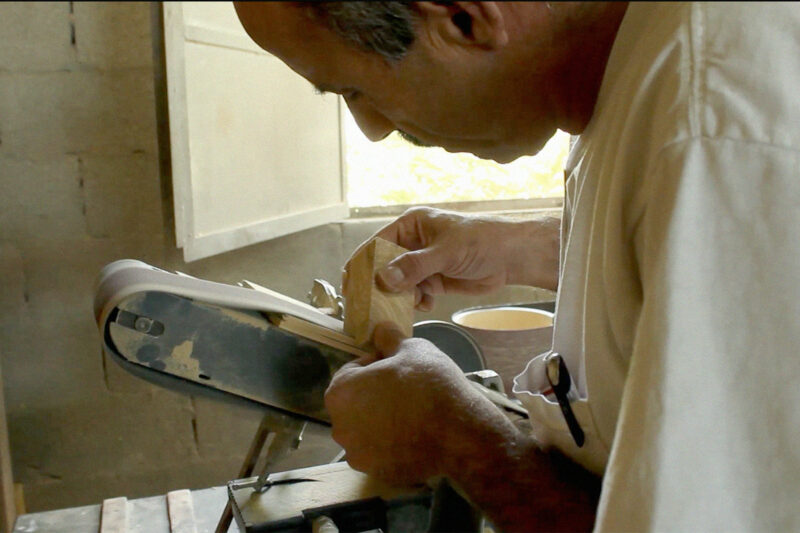
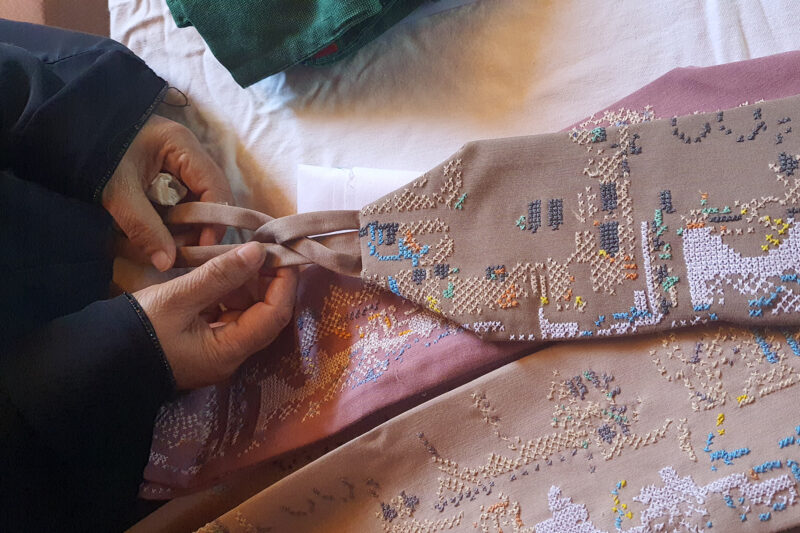
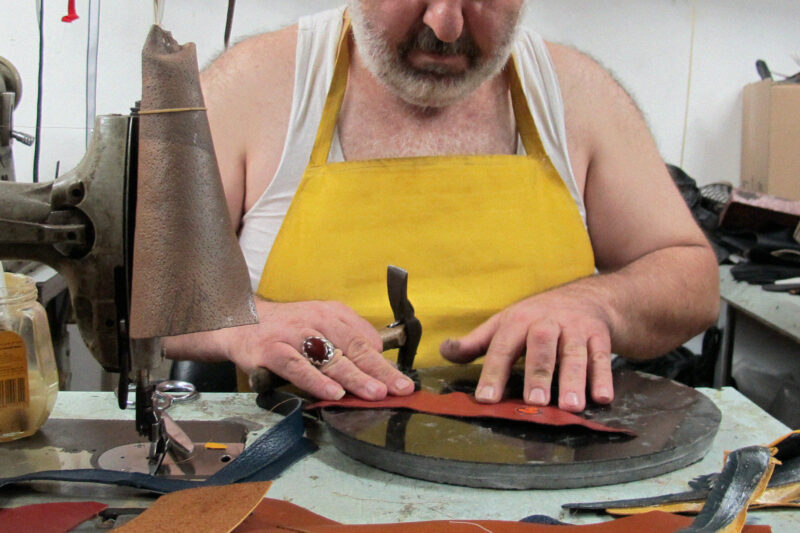
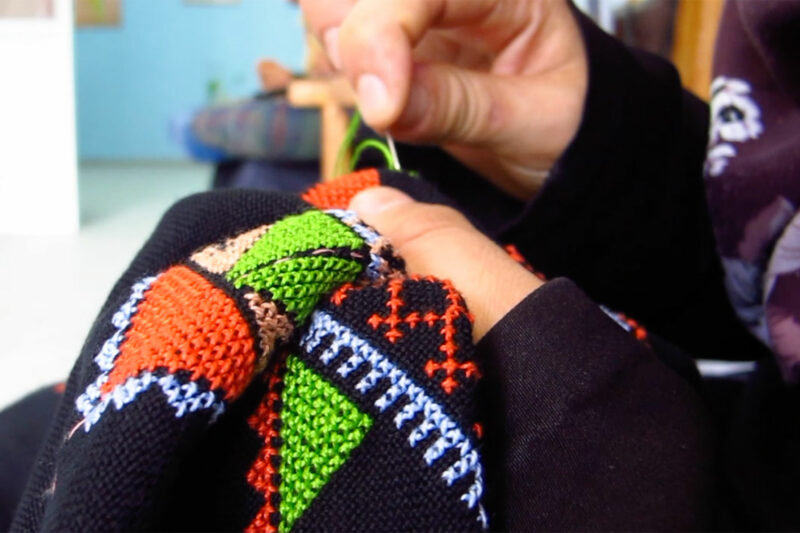
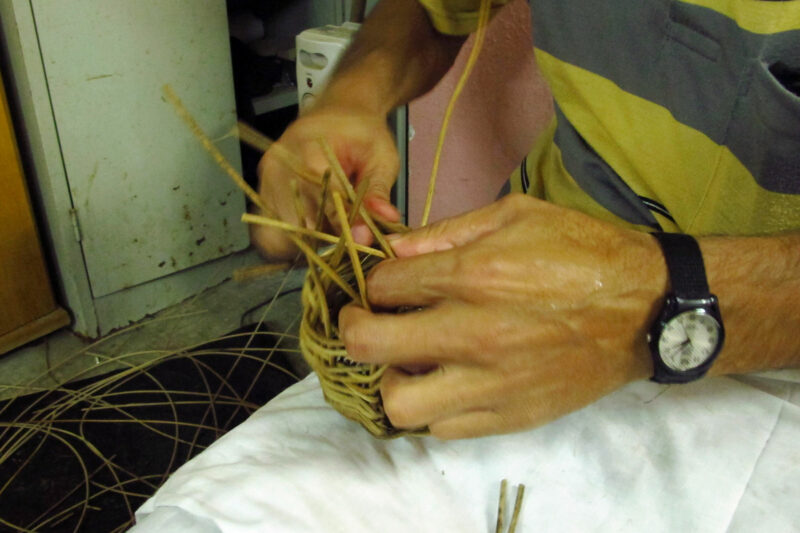
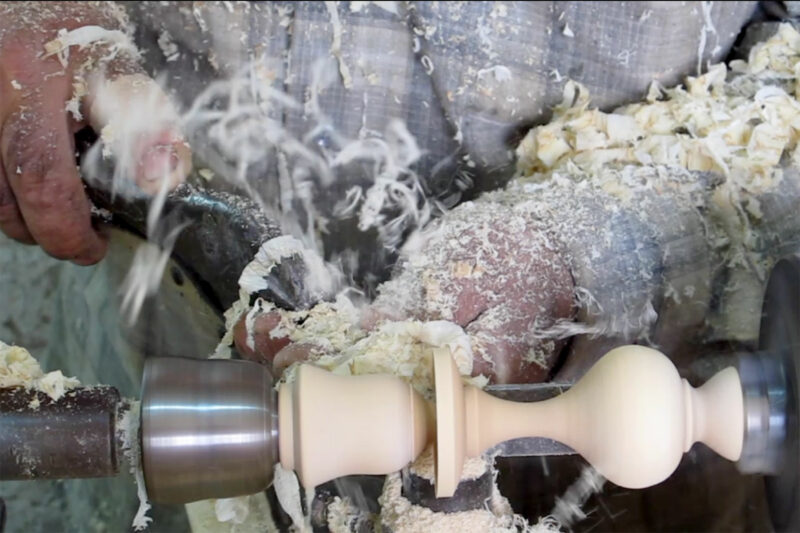
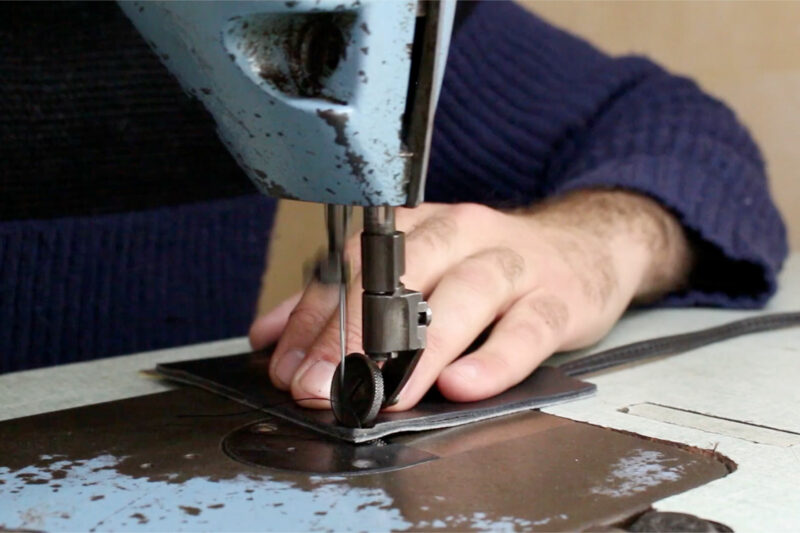
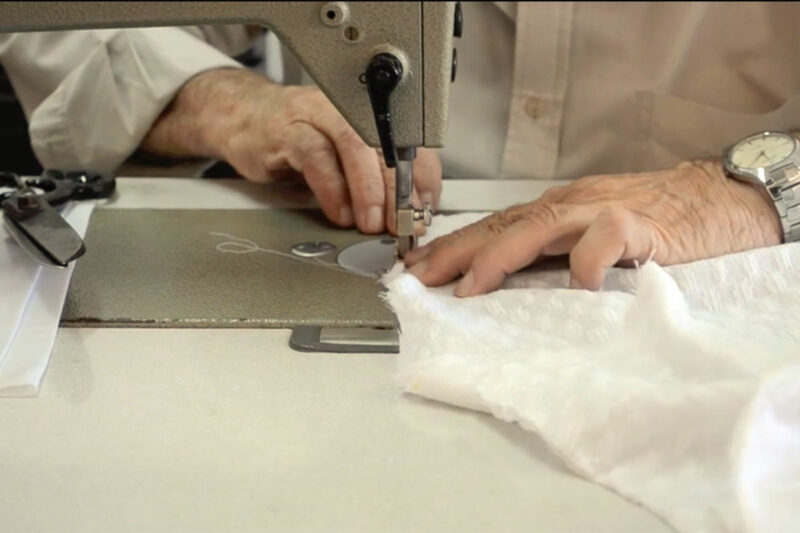
Beyond their material form, the products functioned as tools for conversation, encounter, and action. Making unfolds through routine, skill, and commitment: hands shaping clay, forms emerging through repetition and care, and the quiet labour that takes place long before anything becomes visible. Much of what was produced in 2025 was built on work that had begun years earlier, carried forward through sustained relationships and shared responsibility.
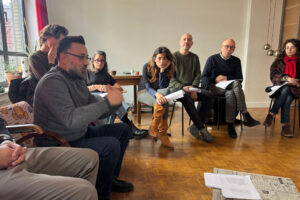
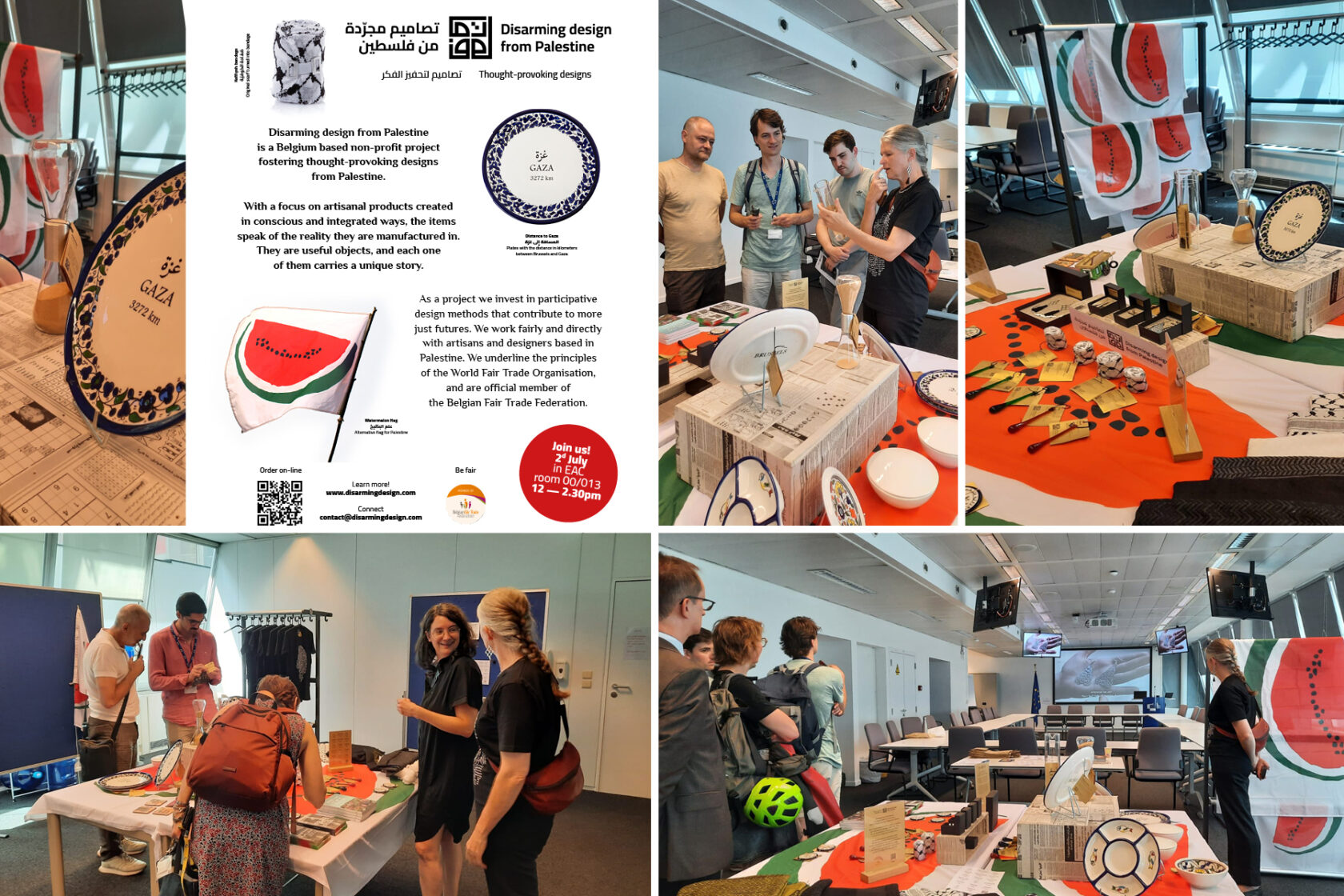
On many occasions throughout the year, we were invited to present our products and participate in critical conversations.
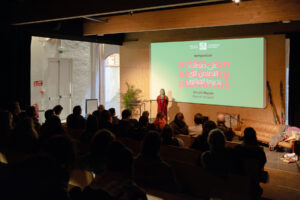
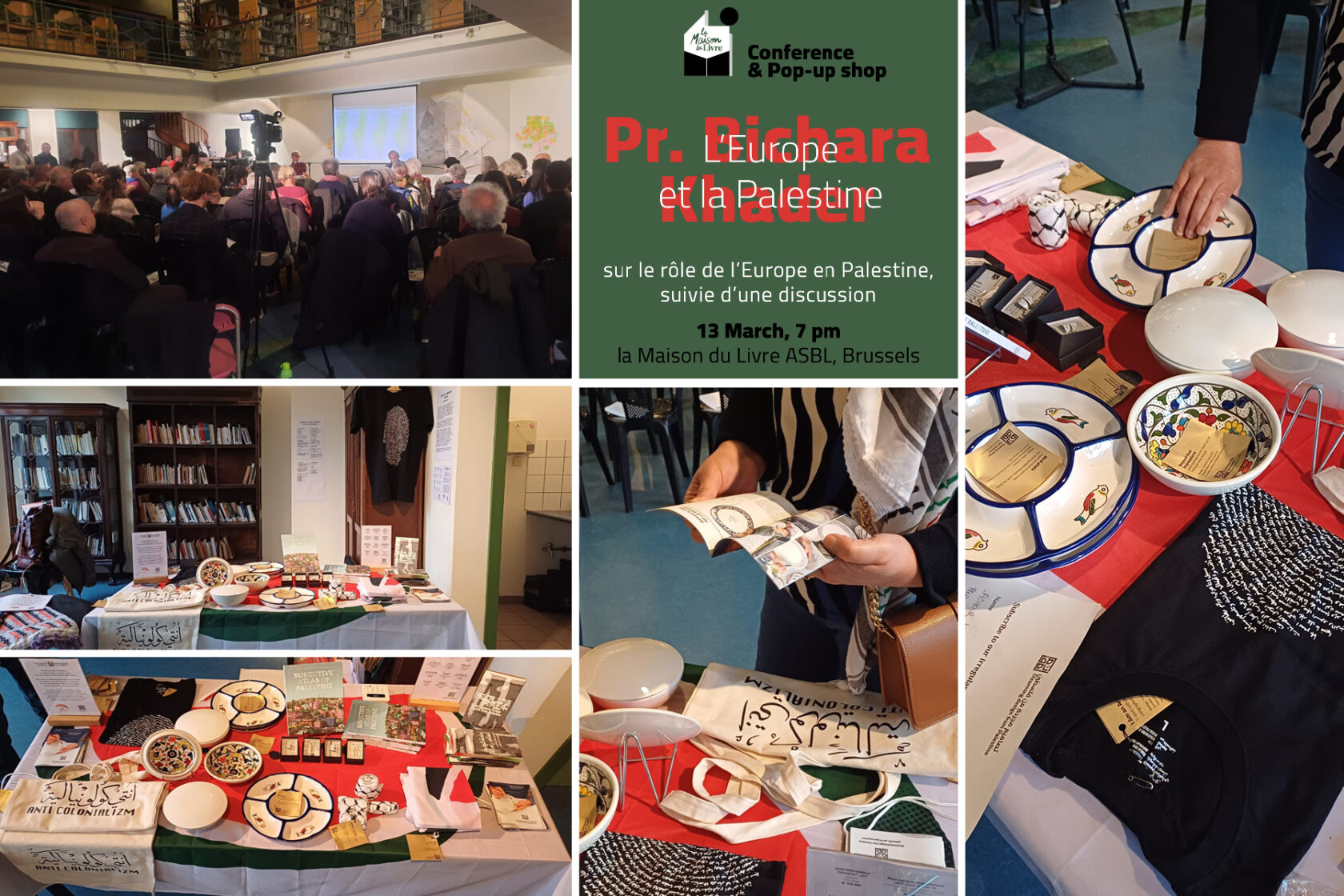
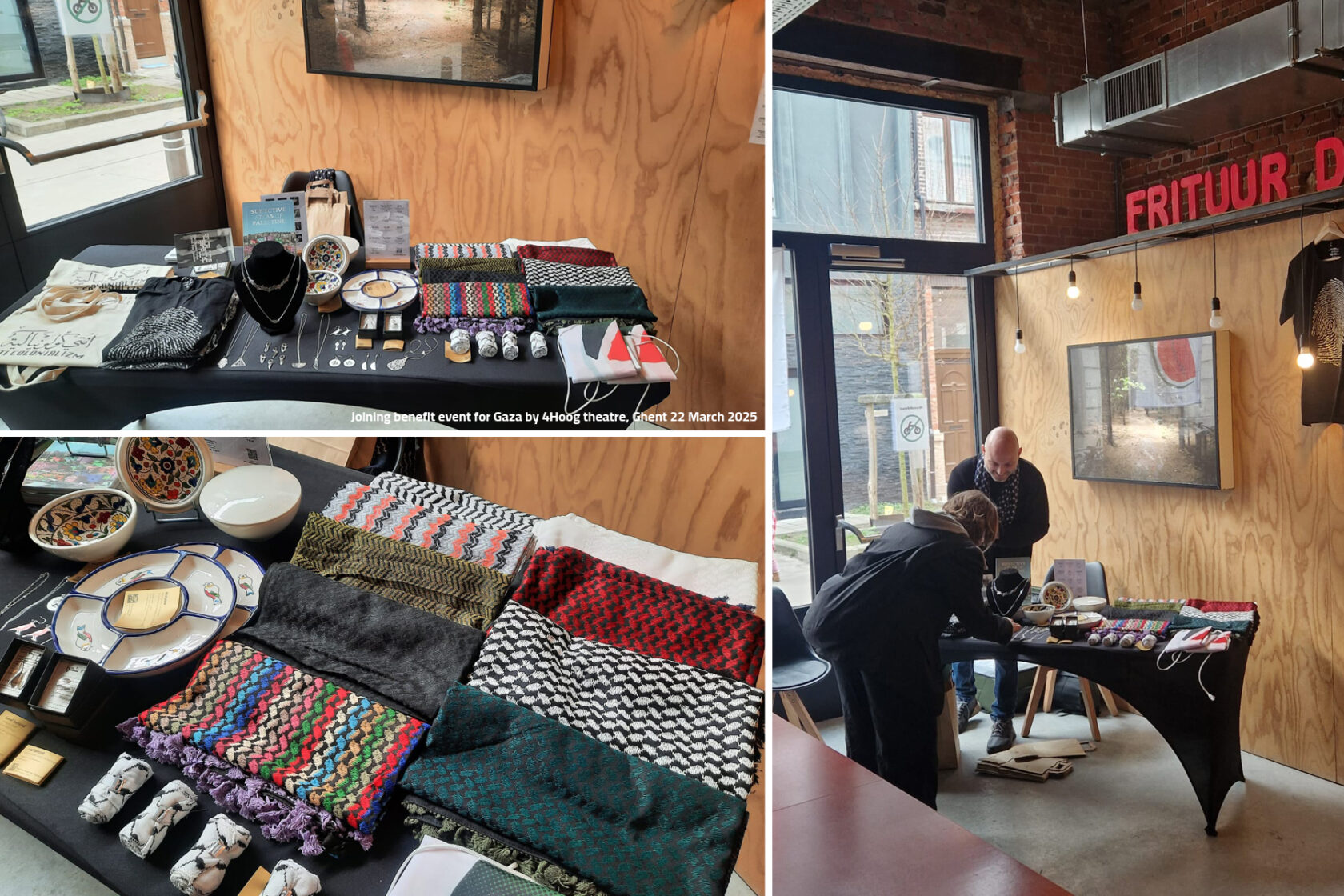
We took part in a lecture event with Professor Bichara Khader in Brussels, followed by a conversational pop-up shop. These exchanges continued in Ghent at Productiehuis 4-hoog.
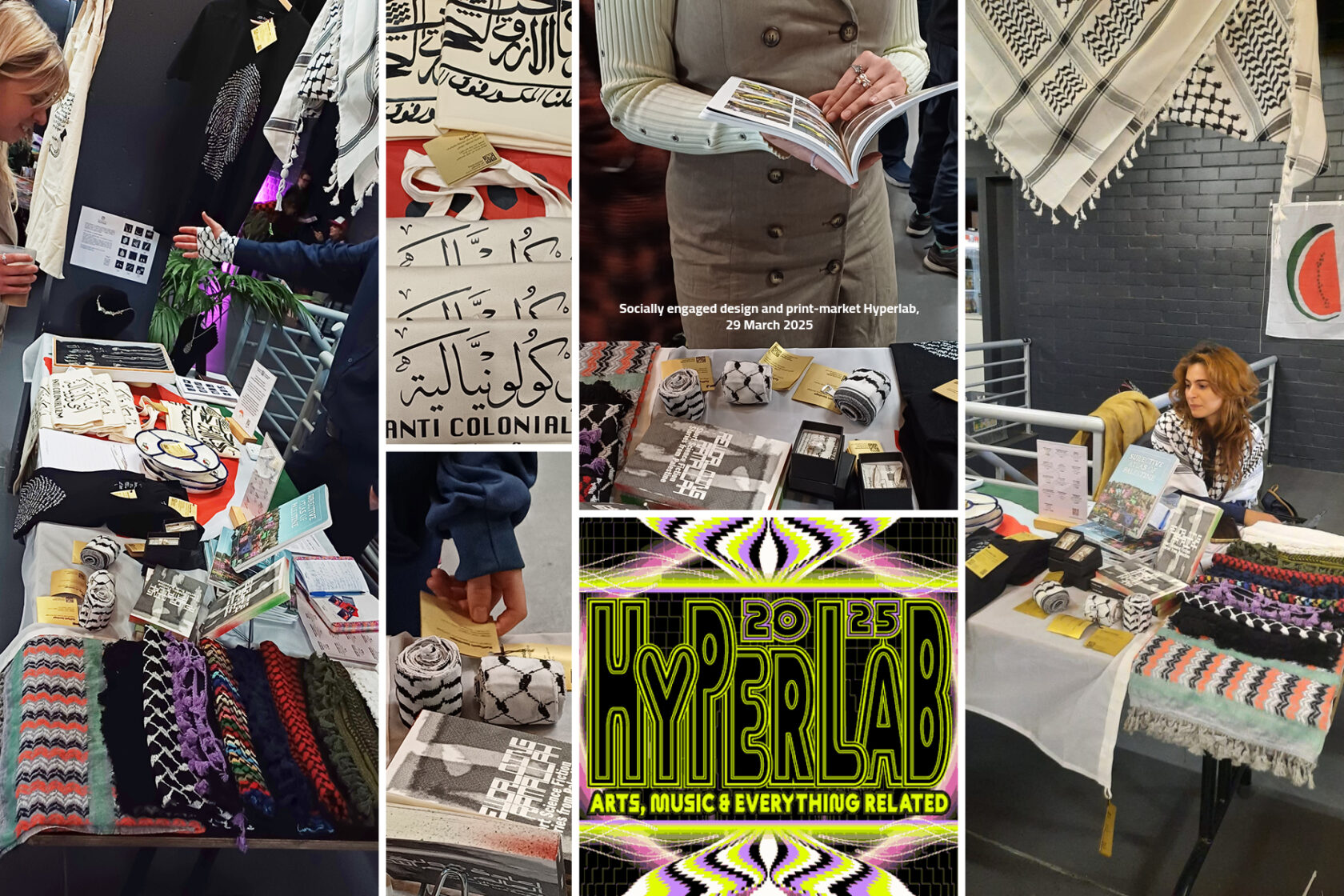
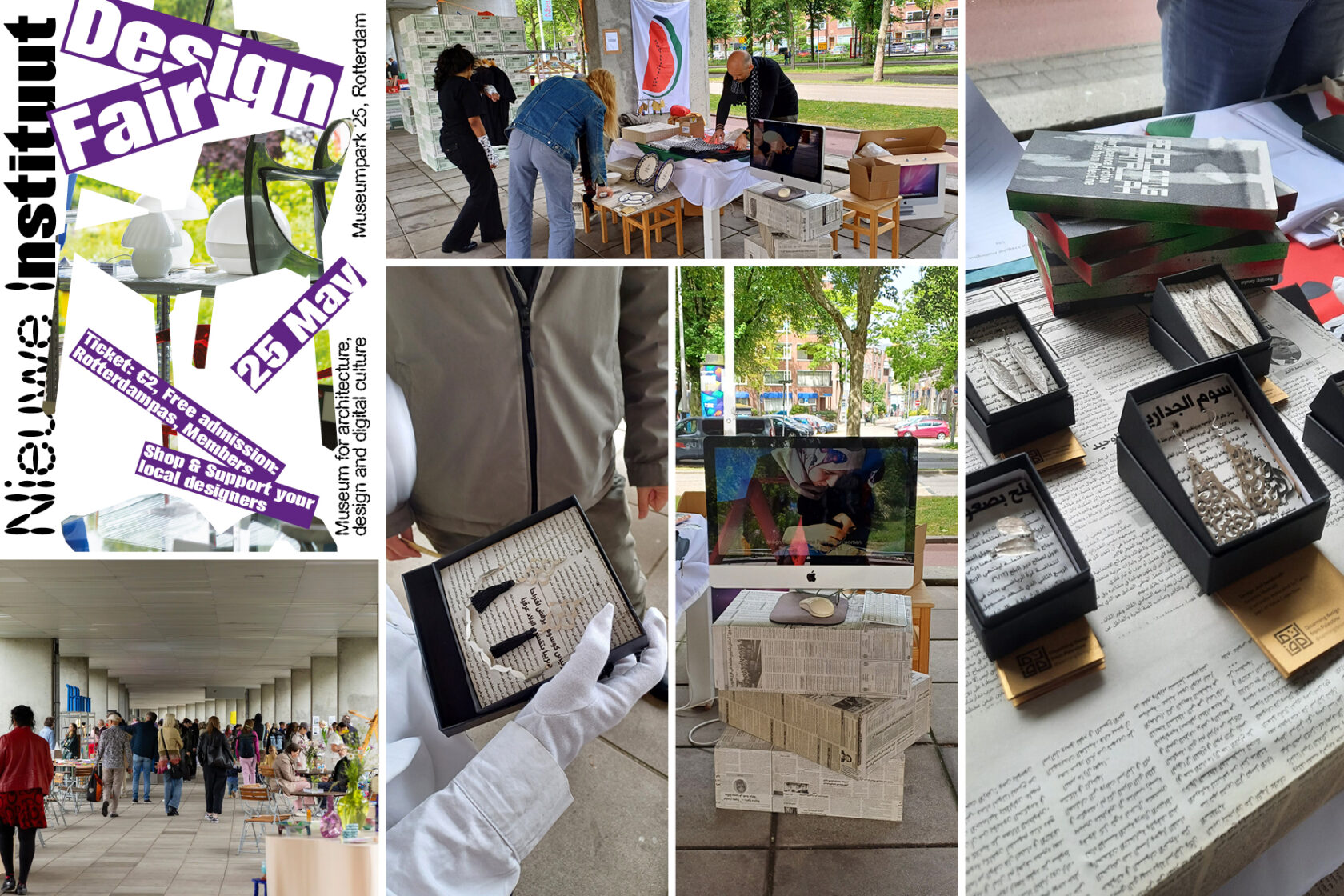
In March, we joined the Hyperlab design and print market in Bruges alongside Brugge4Palestine and Rokko Gent. We were also guests of honour at the Rotterdam Design Fair at Het Nieuwe Instituut, where the Dead Darlings collective organised a design auction in support of our work with artisans in Palestine.
In March, our work was featured in an article by Blaire Dessent in TLmagazine, which shed light on how craft in Palestine functions as a form of cultural resistance and continuity, speaking to making not only as practice but also as survival, memory, and political action. → Telling stories through craft and design.
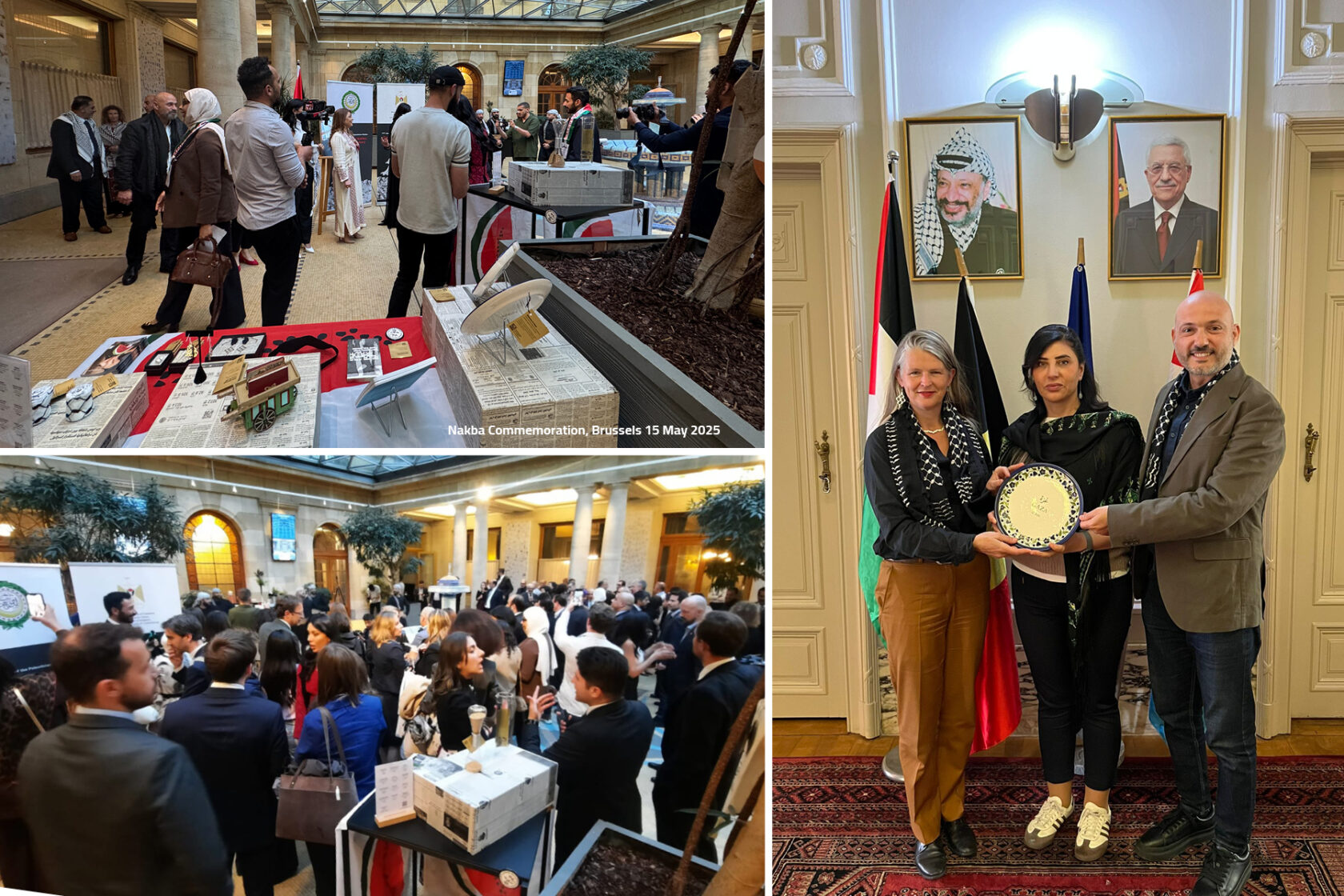
In May, we joined the Nakba commemoration alongside the Mission of the State of Palestine, with the support of Ambassador Amal Jadou Shakaa.
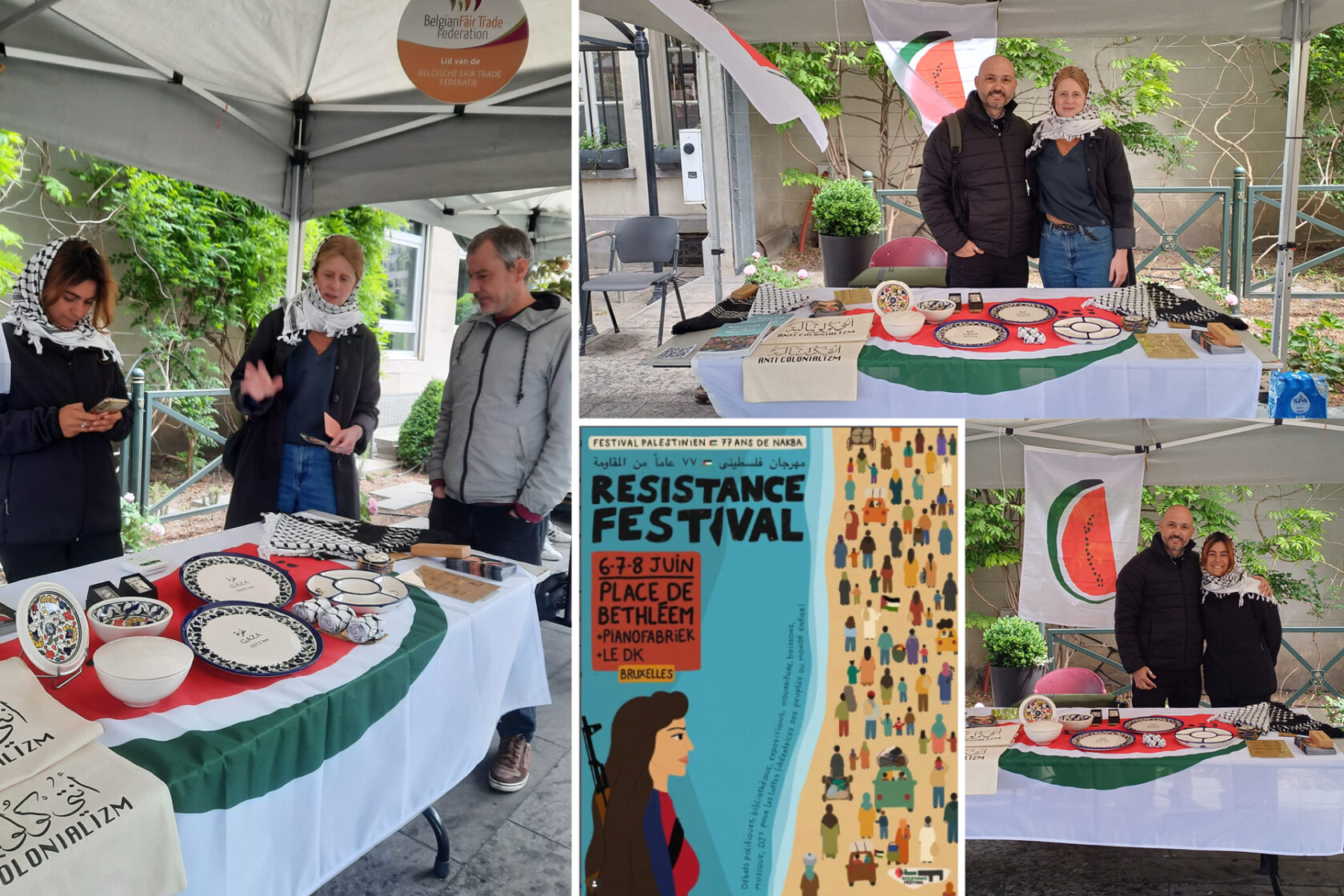
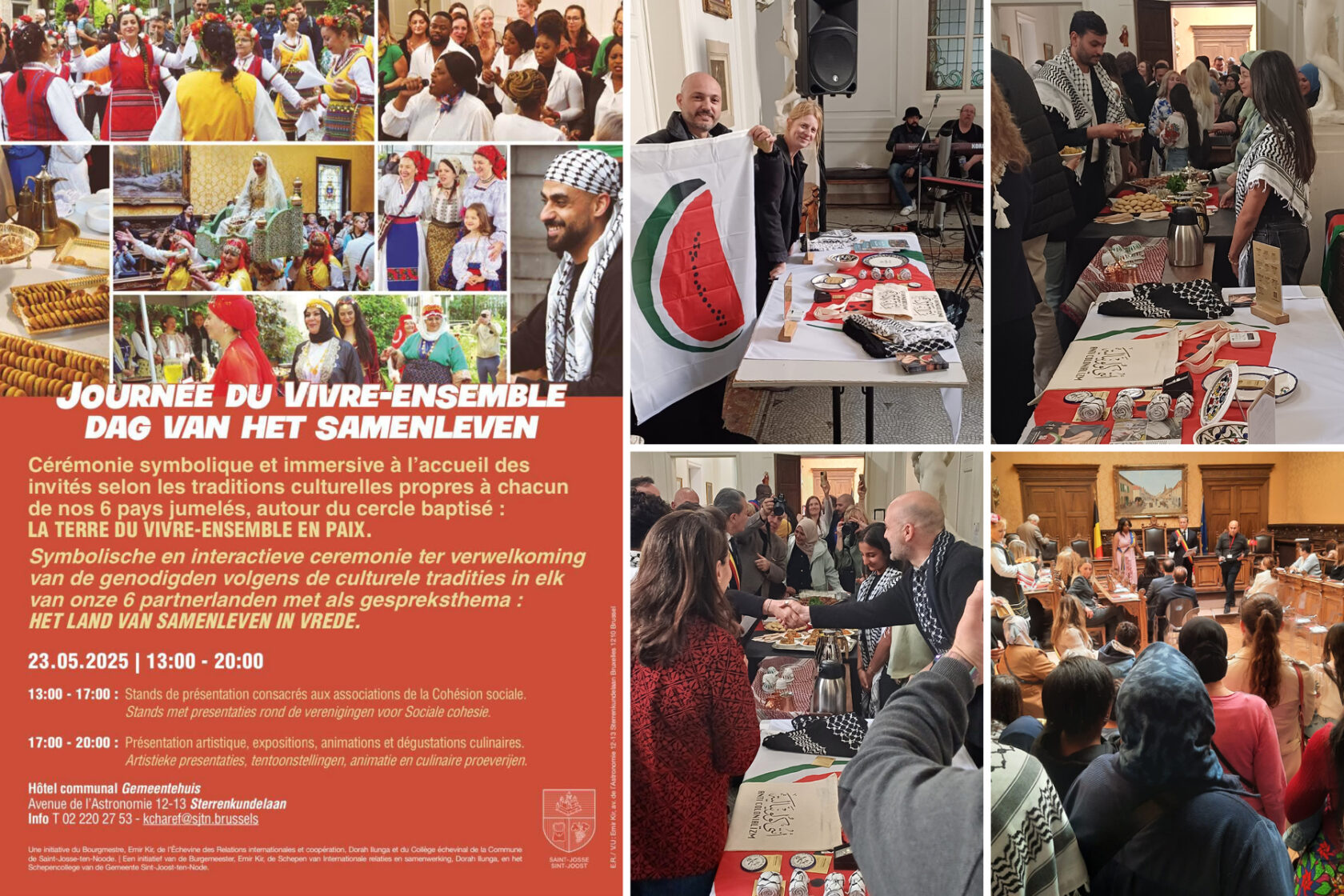
In Brussels, we participated in community events, including the Day of Living Together in Saint-Josse and the Resistance Festival at Bethlehem Square, presenting work rooted in Palestinian identity. Additionally, our work was available at Heterodoxa-vintage and is now permanently available at Ozfair in Saint Gilles.
In September, we were invited to take part in a charity bazaar supporting the Right to Education for Gaza’s children, as part of the Back to Education campaign, organised with ‘SOS Kinderdorpen België’ and hosted by the Spouses of Arab Ambassadors in Brussels.
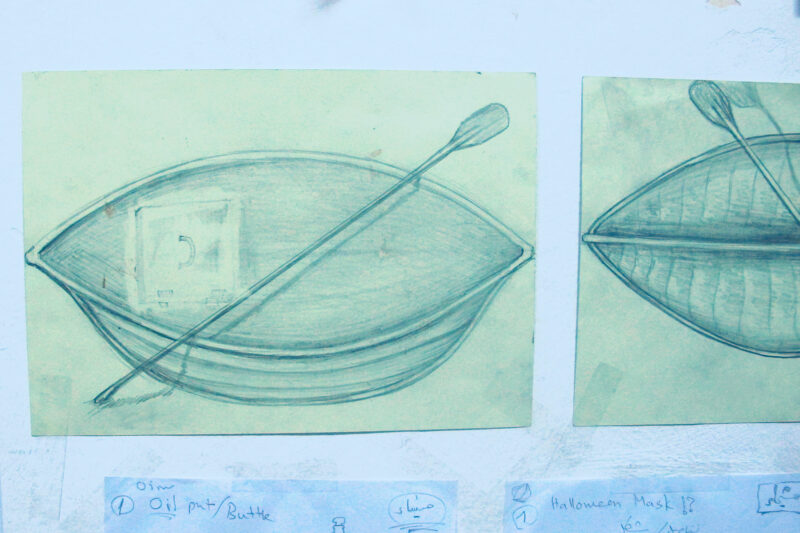
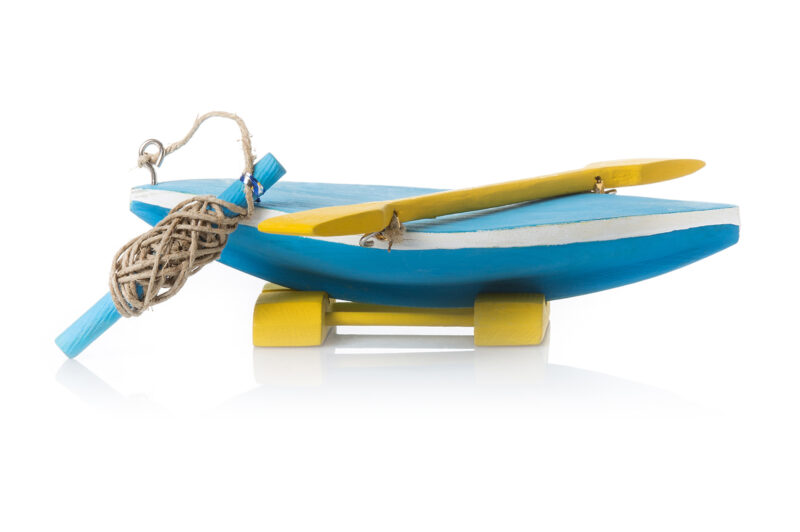
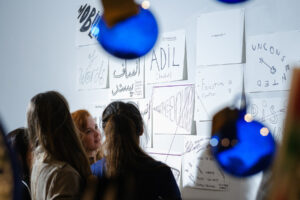
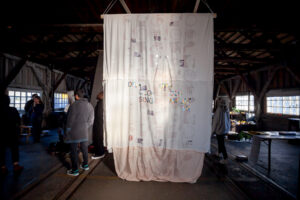
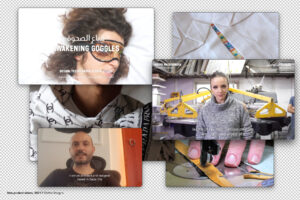
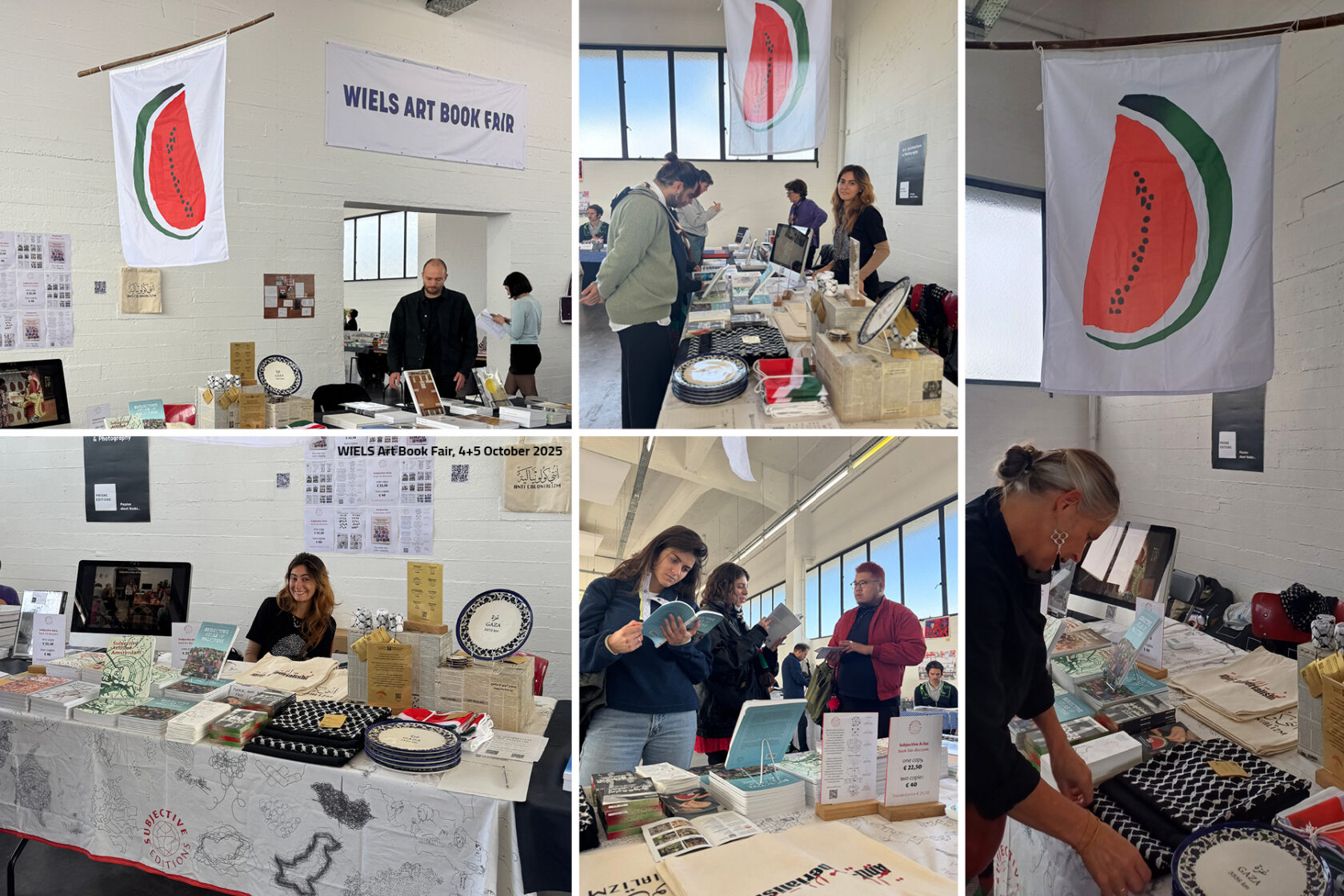
We reached new audiences through a pop-up at the WIELS book fair. At Dutch Design Week Eindhoven, we contributed to Gaza Travel Agency, a speculative design project addressing displacement and return.
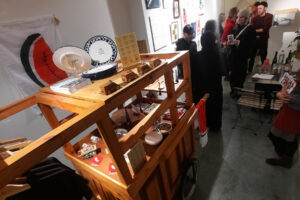
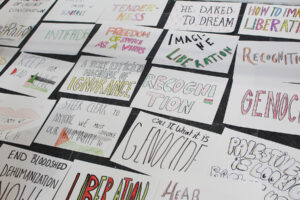
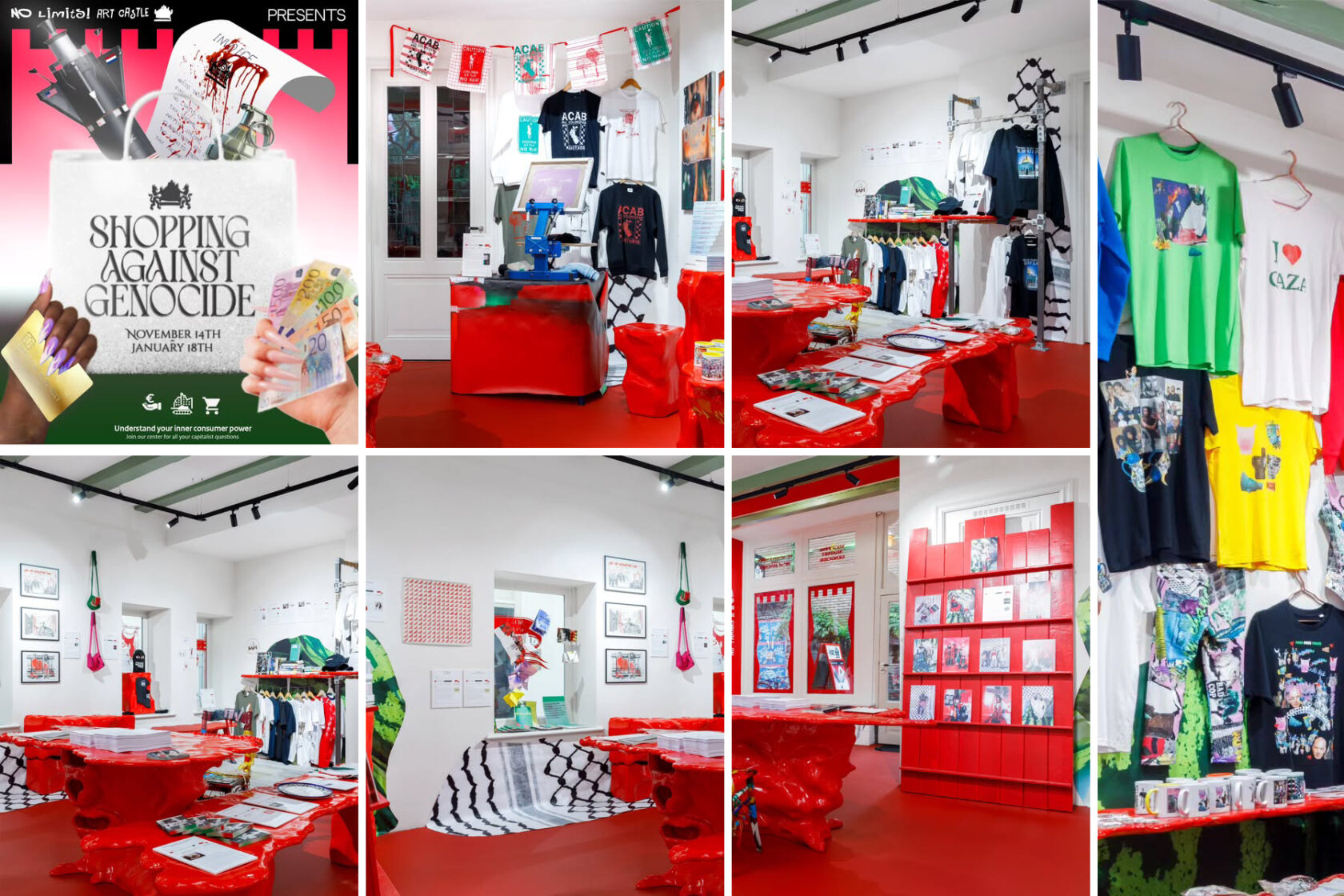
From November to January, we participated in Shopping Against Genocide, hosted by Nolimitsartcastle, with a curated display of handcrafted works.
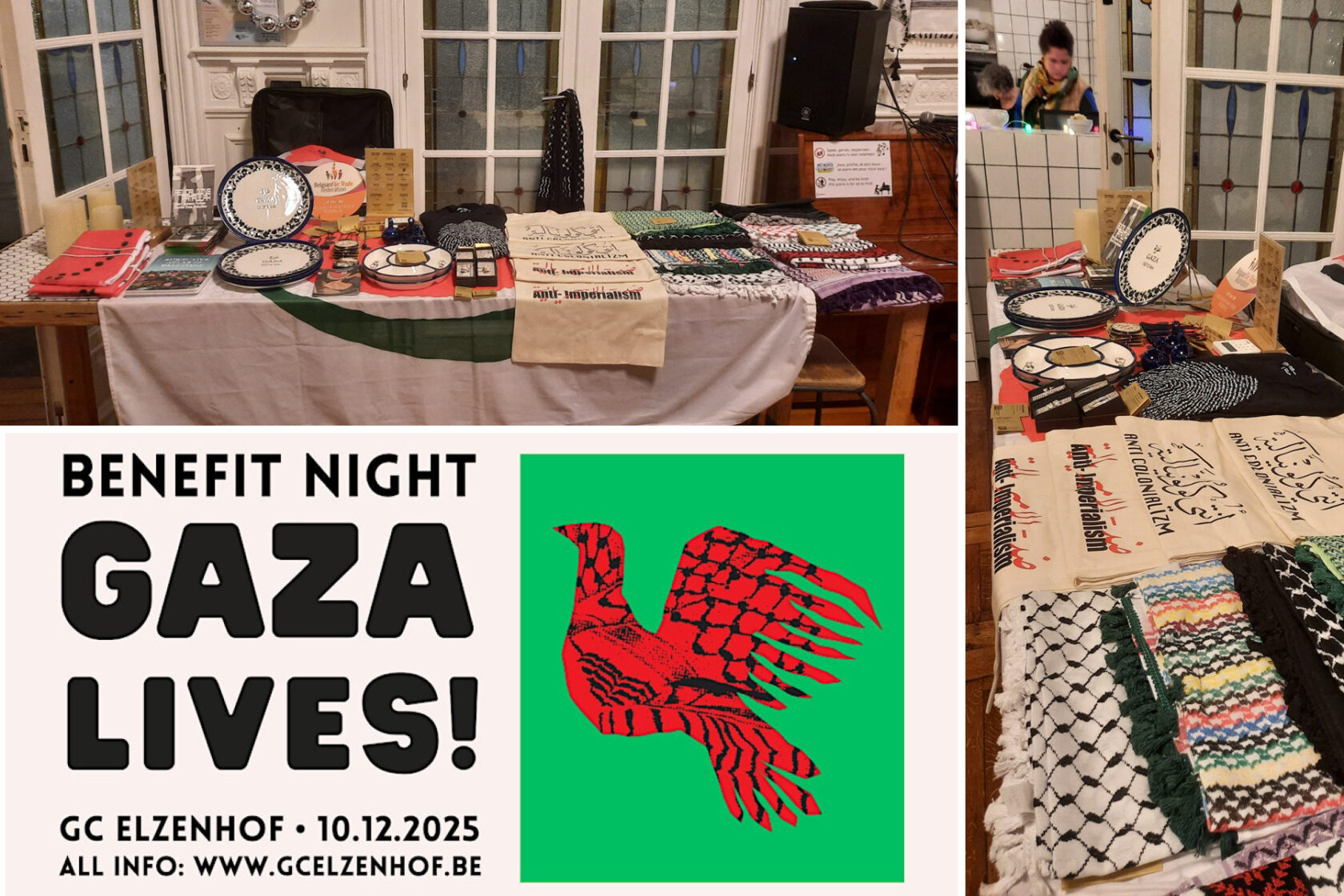
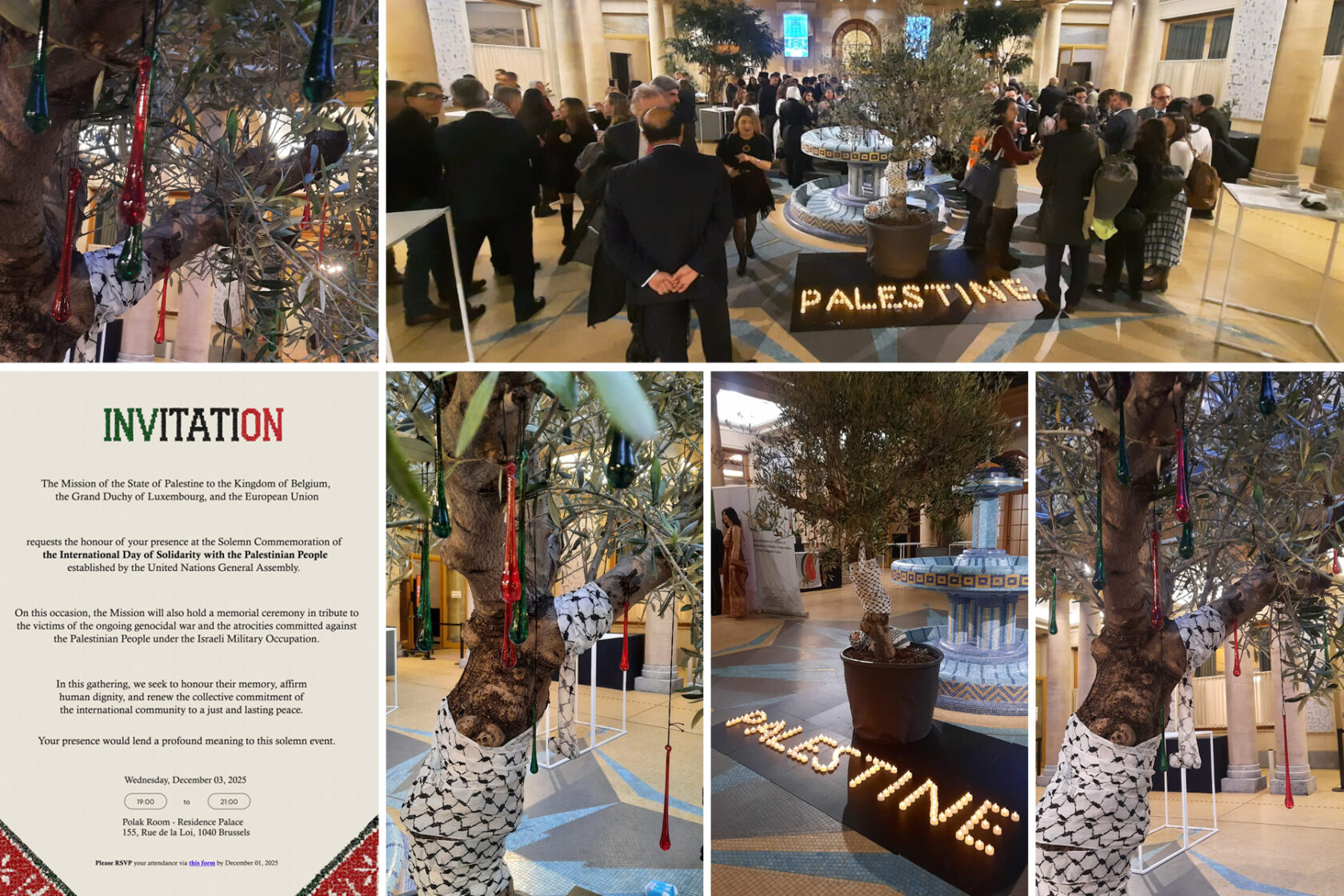
And in December, we joined a Gaza benefit night at Elzenhof Community Centre, the International Day of Solidarity with the Palestinian People at the Residence Palace, and we ended the year with a pop-up at Passa Porta Bookshop in Brussels.
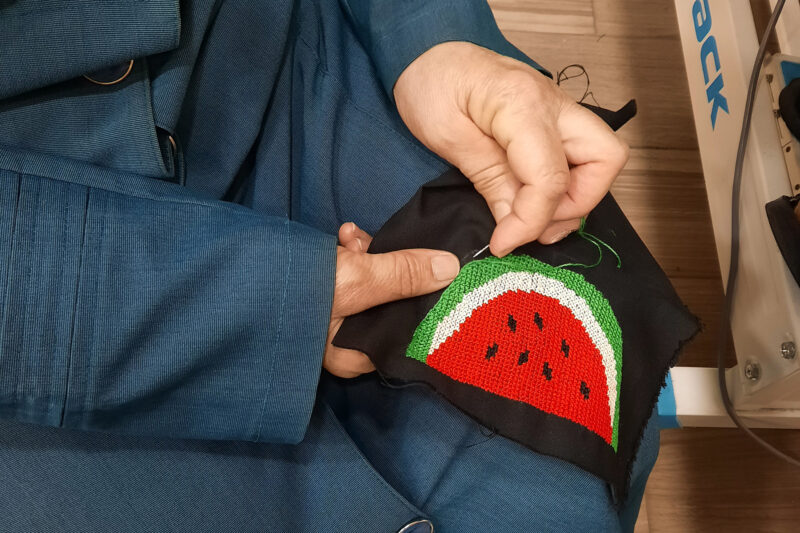
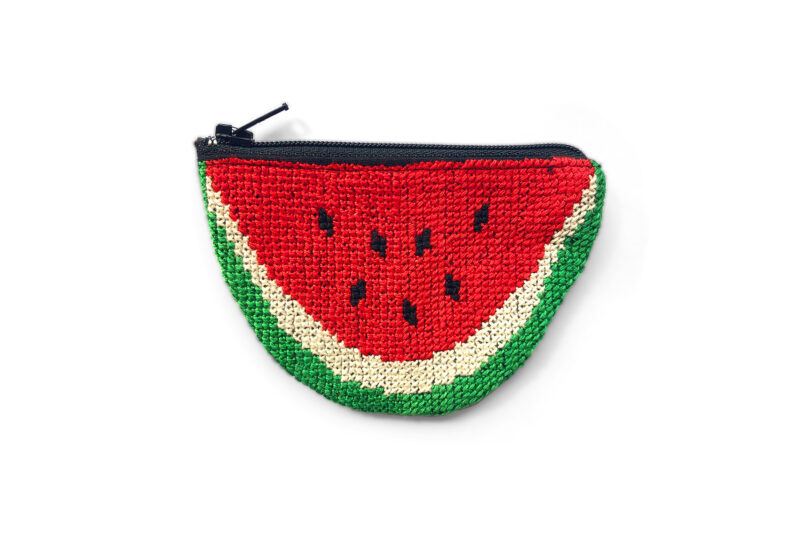
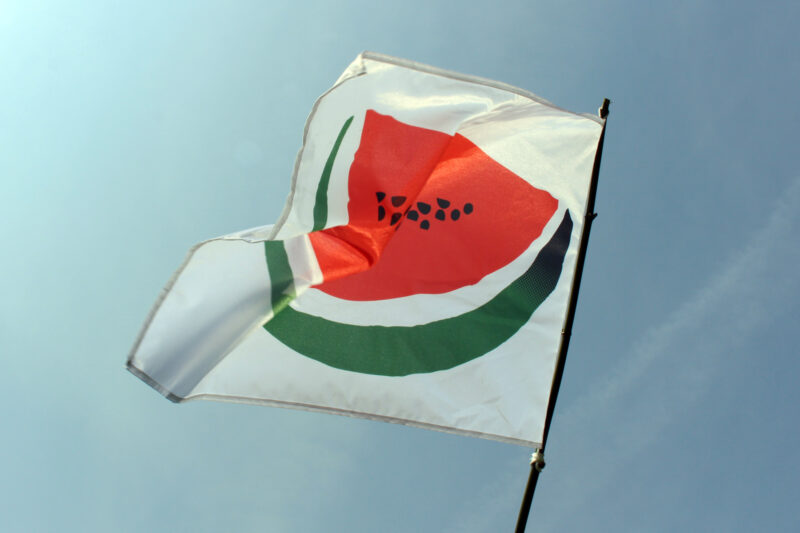
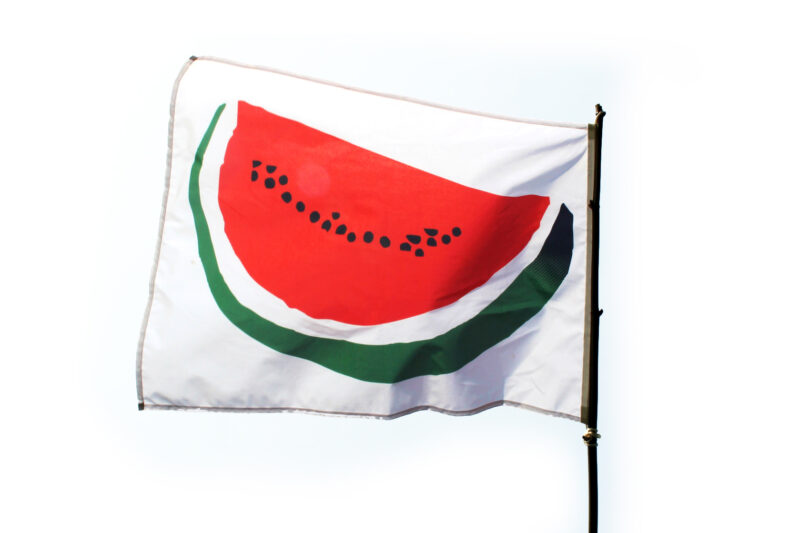
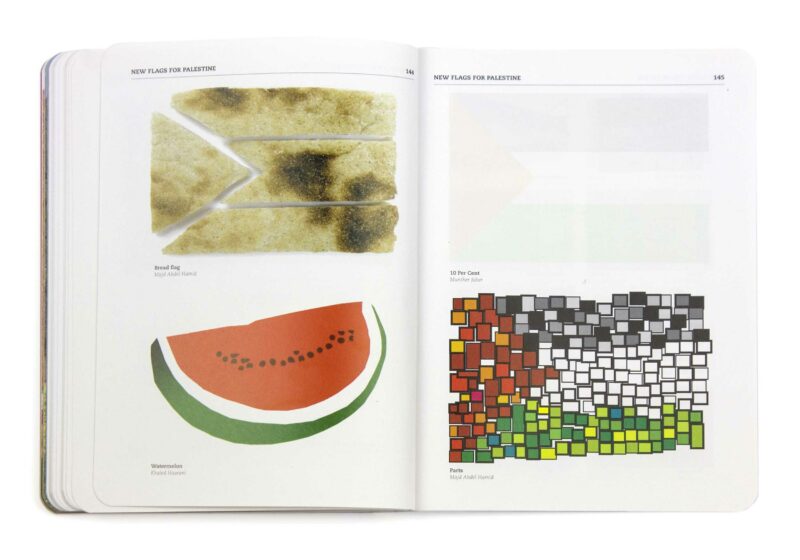
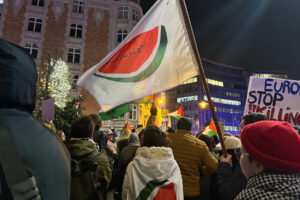
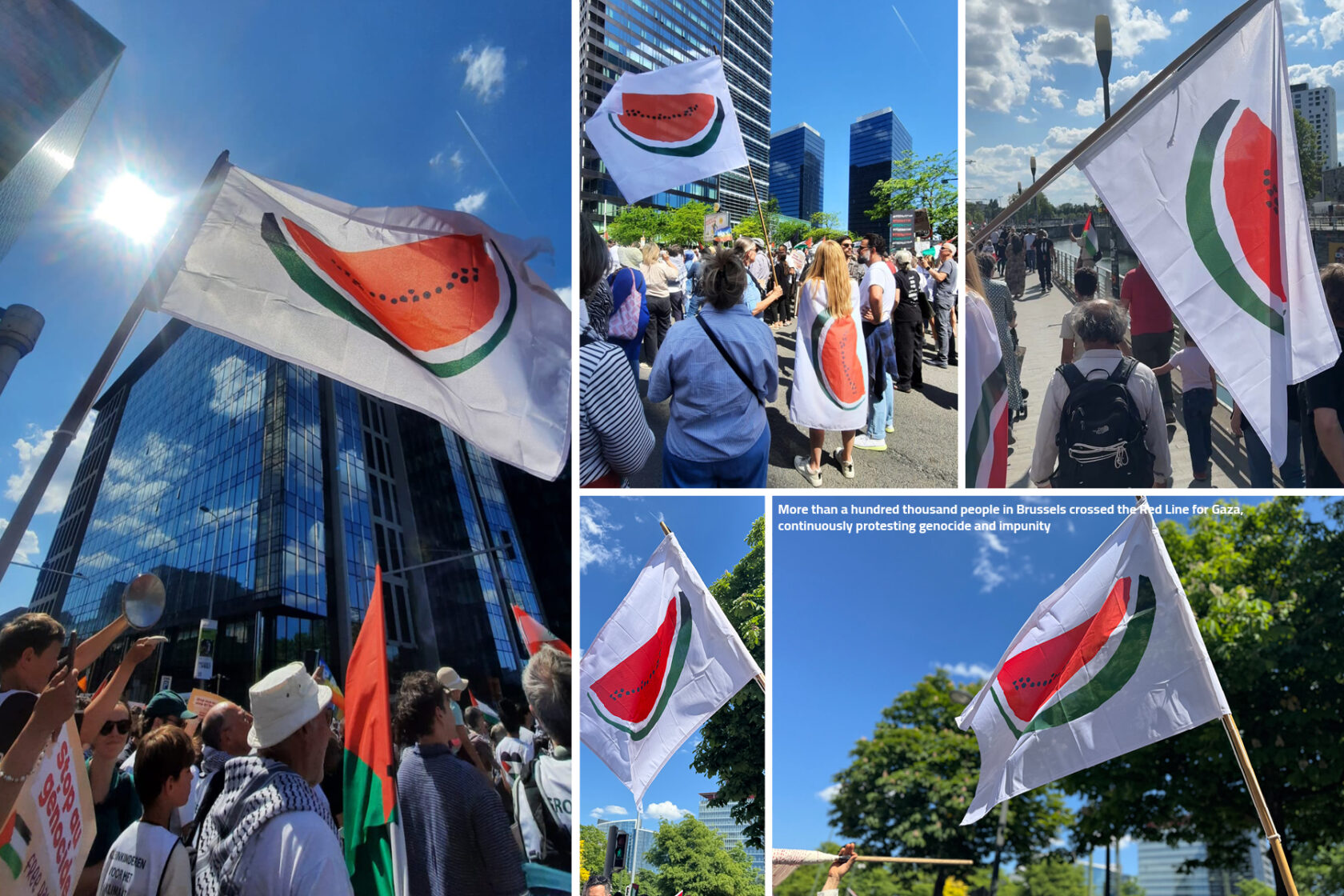
Meanwhile, throughout the year, many people and organisations expressed solidarity by waving the Watermelon flag, as did we, in several demonstrations demanding a ceasefire and an end to the occupation.
“More than a design brand, it is a movement that uses creativity as a tool for resistance and solidarity”, concluded Samuel Poos (project Manager Enable Trade for Development) in this article → Disarming Design: Crafting Palestinian Stories of Solidarity and Resilience.
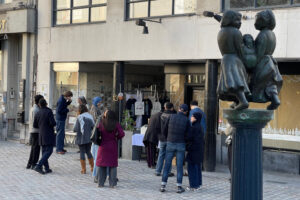
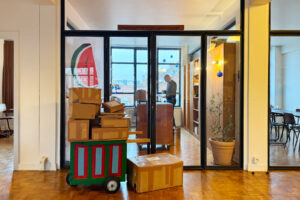
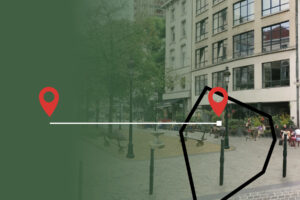
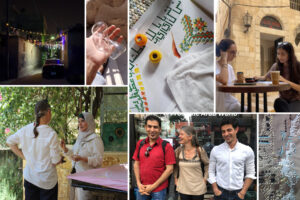
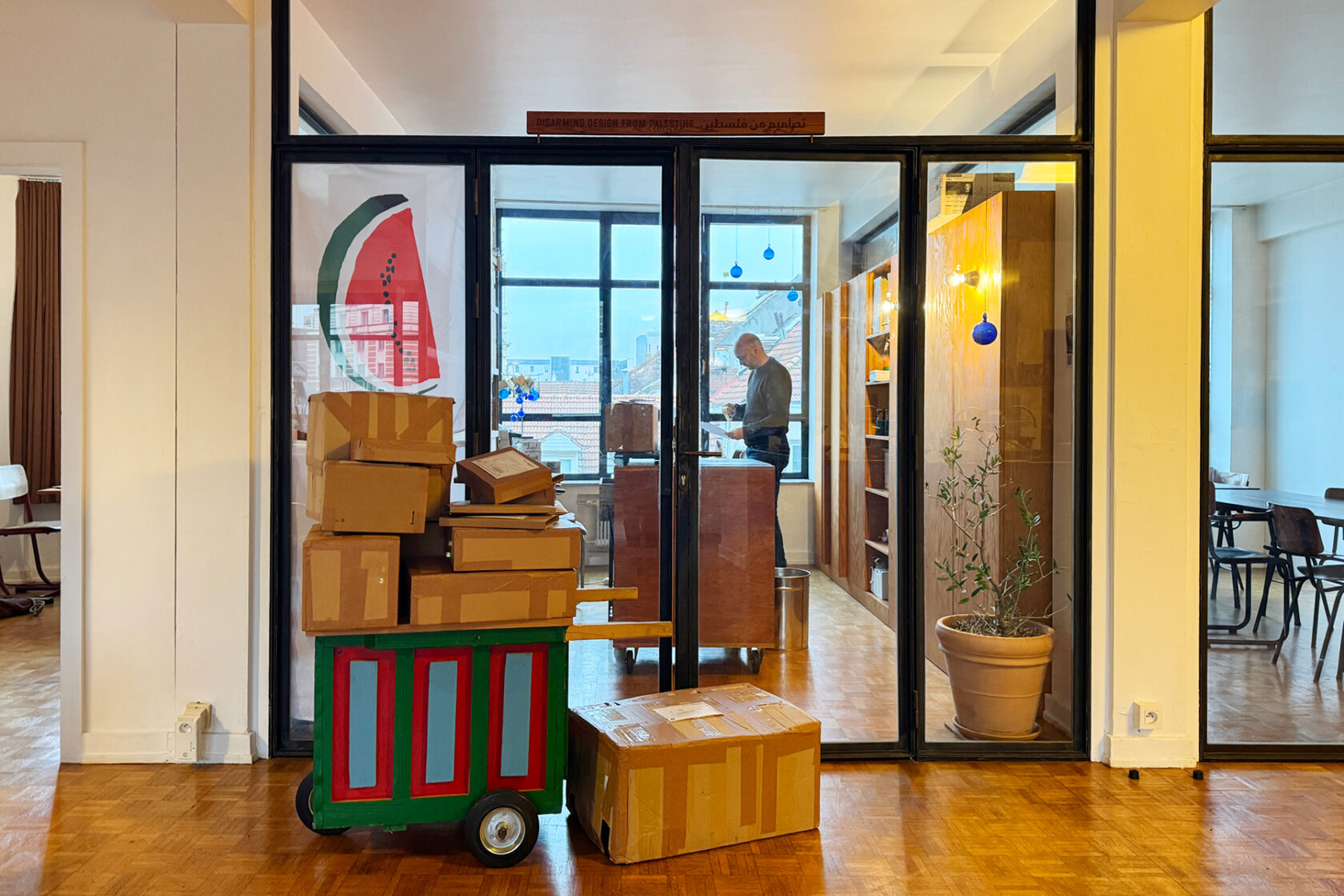
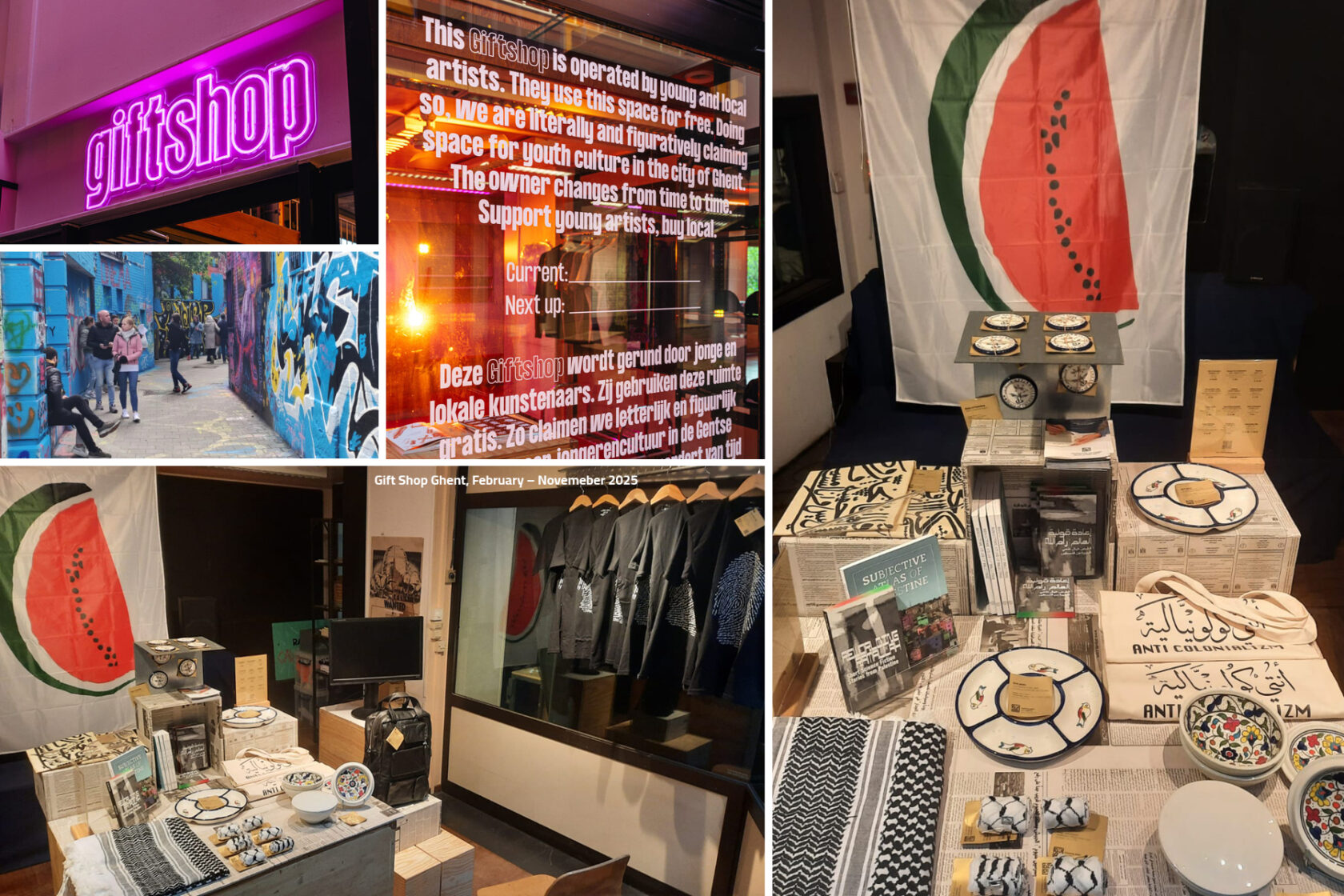
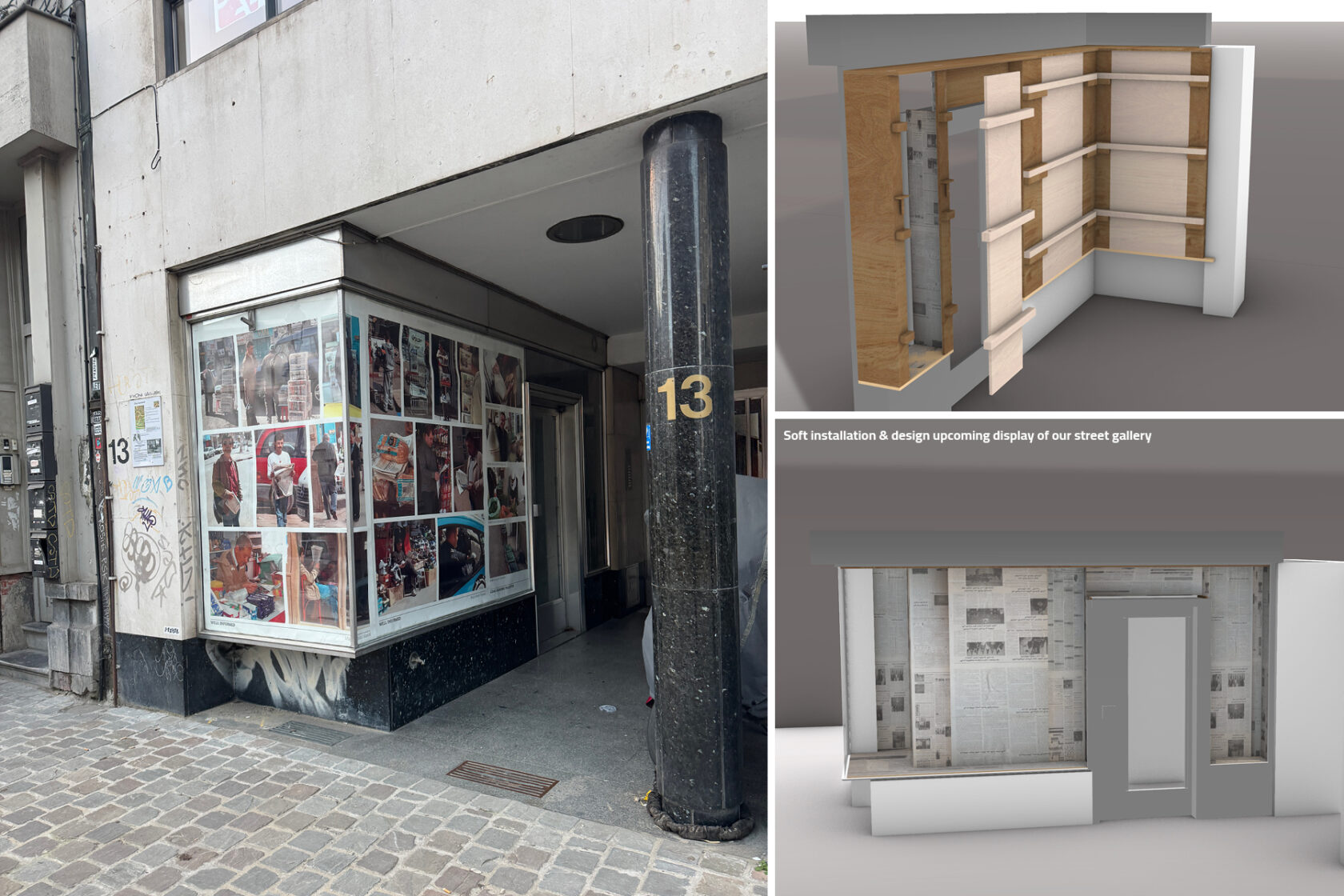
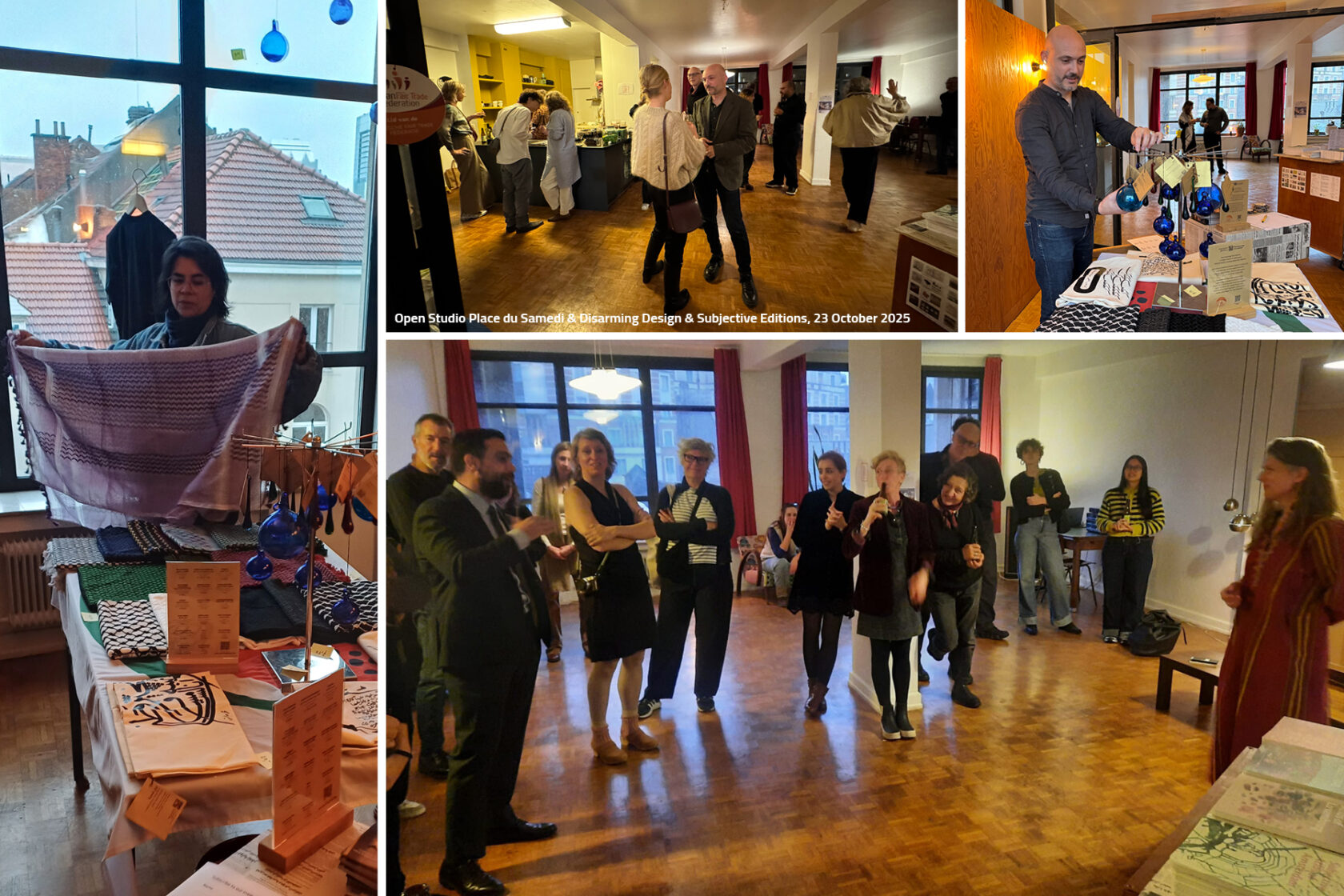
Moving into our new studio was a major milestone in 2025, made possible by the generous support of our community. The studio is located at Place du Samedi in a protected 1920s building and is connected to a permanent street-level gallery where we will showcase our designs. We share the building with other cultural makers and community builders committed to a more just and equitable world.
The new studio has provided a solid base, a place to regroup and continue acting during a difficult period when so much felt uncertain. The space quickly began to take shape not only as a site for making, but as a shared point of presence and care. The official opening in October marked a new chapter as we celebrated together with friends, supporters, and collaborators, and in the presence of the Mission of the State of Palestine.
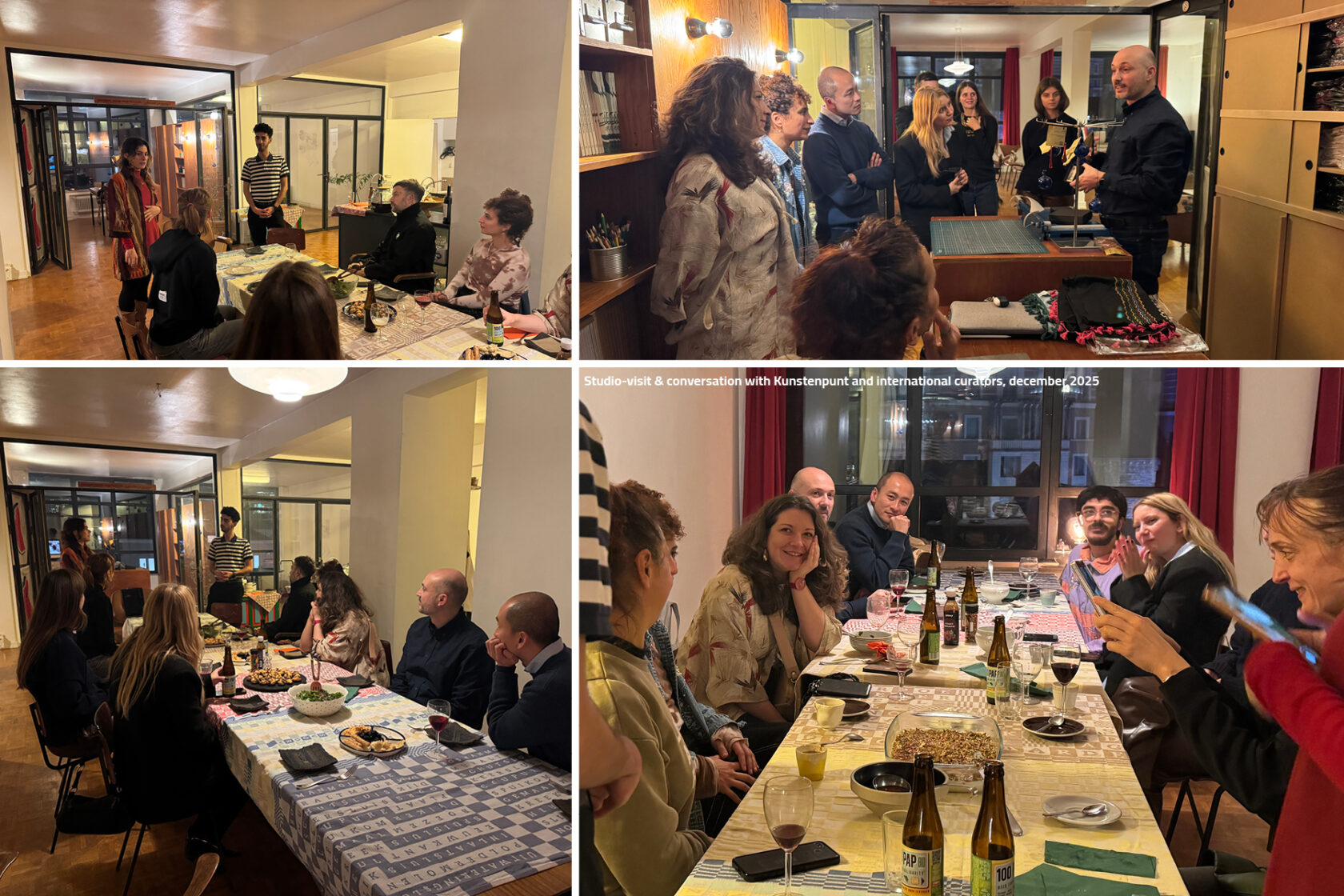
In December, we hosted an intimate dinner for visiting international curators through Kunstenpunt. Artists and cultural workers from diverse backgrounds gathered around the table, sharing food, experiences, and a moment of genuine exchange beyond professional labels. The evening coincided with the soft opening of a new gallery installation on the ground floor of the building at Place du Samedi.
We enter 2026 with renewed strength and an ongoing commitment to supporting the movement for Palestinian liberation. In the coming year, we will be showcasing Palestinian designs in our permanent street-level exhibition display; we will host a series of events in the studio to ignite critical conversations around design and decolonisation; we will add new designs to our collection; and we will launch a new collaborative exchange between Birzeit University in Palestine, Sint Lucas School of Arts Antwerp and the Rietveld Academie Amsterdam.
“In times of crisis, I act,” said Francesca Albanese, United Nations Special Rapporteur on the Occupied Palestinian Territories. This is what we strive to do: to keep amplifying stories from Palestine and to support artisans and designers on the ground. We invite you to stand with us—against genocide, against oppression, against injustice, and in support of all those who resist.
In solidarity,
The Disarming Design team 2025
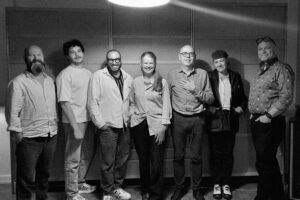
(Ibrahim, Lydia, Annelys, Lisa, and interns Moayad and Sthiti)