base.php
Products
تصميماتنا
Disarming Design
Stories
حكايات
  • 0
Disarming Design from Palestine
تصاميم مجرّدة من فلسطين
  • Products
    تصميماتنا
  • Stories
    حكايات
  • About
  • Contact
    Thought-provoking designs
    تصاميم لتحفيز الفكر
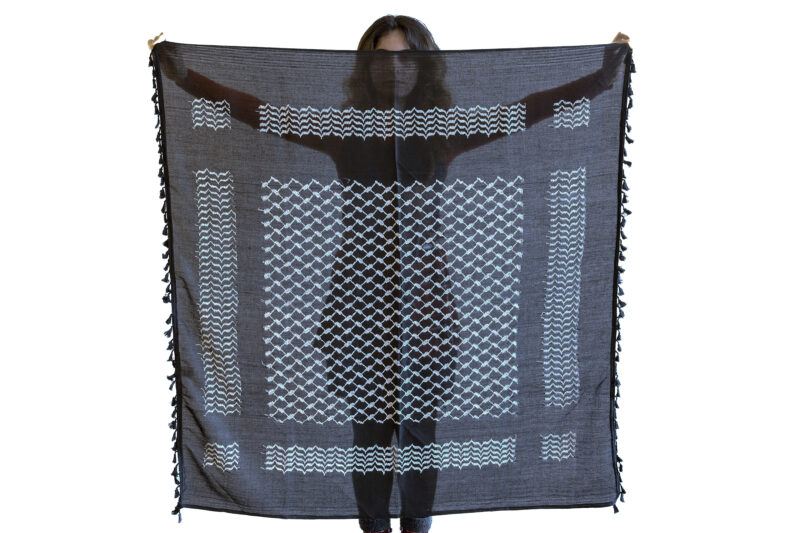
  • White on black keffiyeh

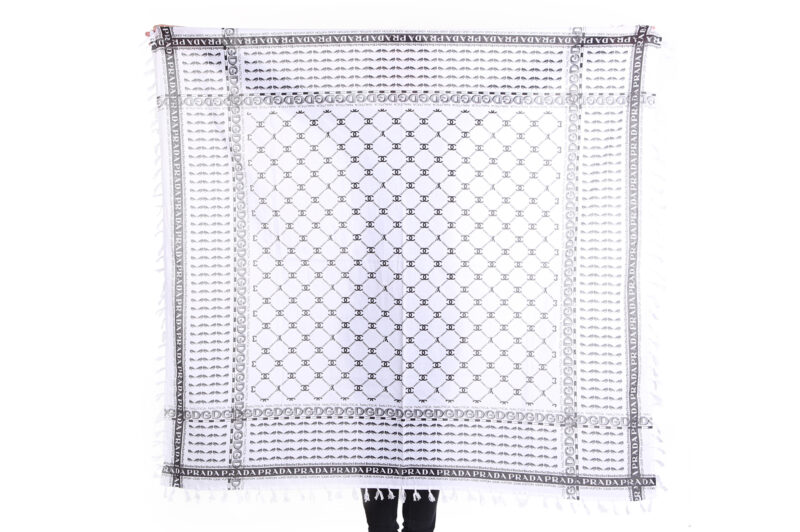
    White on black keffiyeh

    أبيض على كوفية سوداء
    €34,95
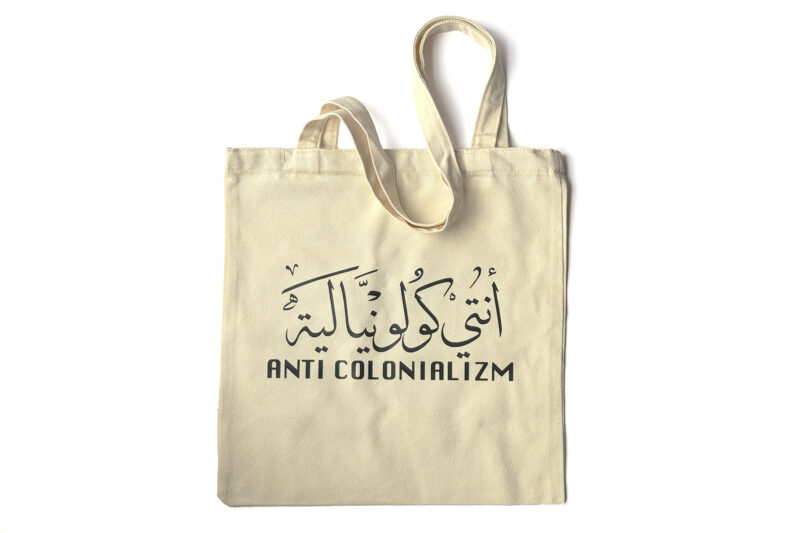
  • Anti Colonializm

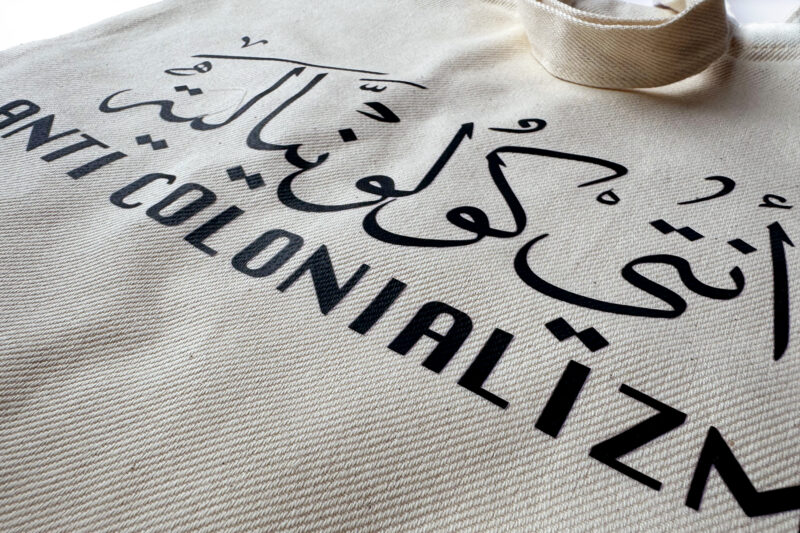
    Anti Colonializm

    انتي كولونيالية
    €19,95
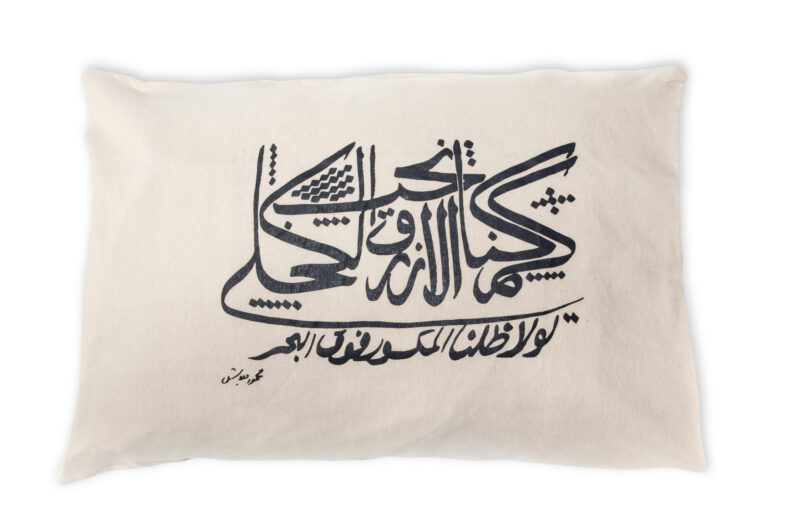
  • The meaning of home

    The meaning of home

    معنى البيت
    €4,95 – €17,95Price range: €4,95 through €17,95
  • Leaf Behind Earring

    Leaf behind earrings

    أقراط الأذن "أترُك خلفَك"
    €64,95
  • Tears

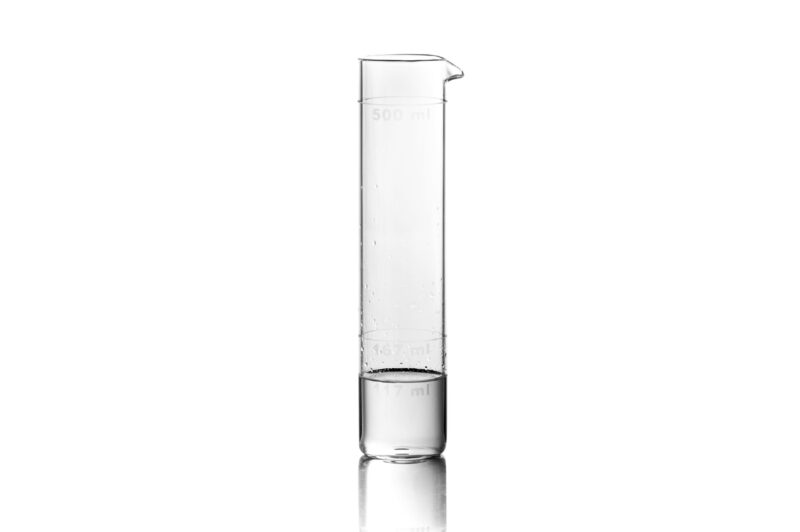
    Tears

    دموع
    €8,95
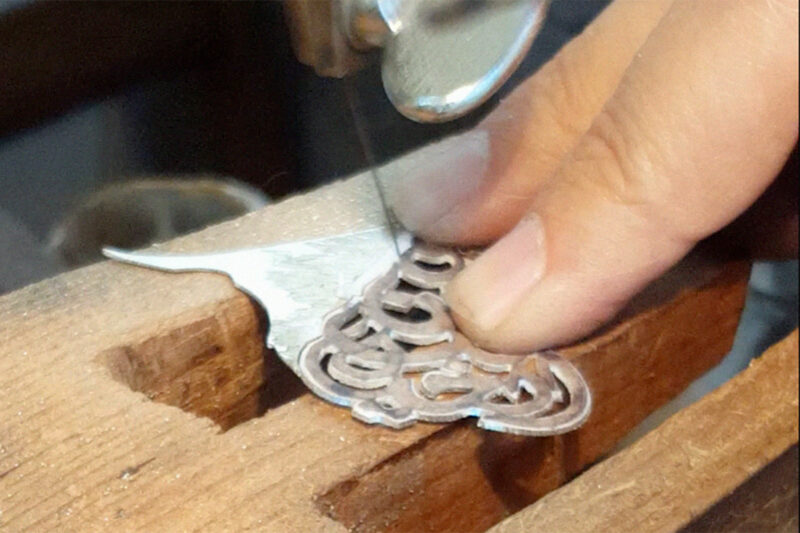
  • Silver Solidarity

    Silver Solidarity

    التضامن الفضي
    €225,00
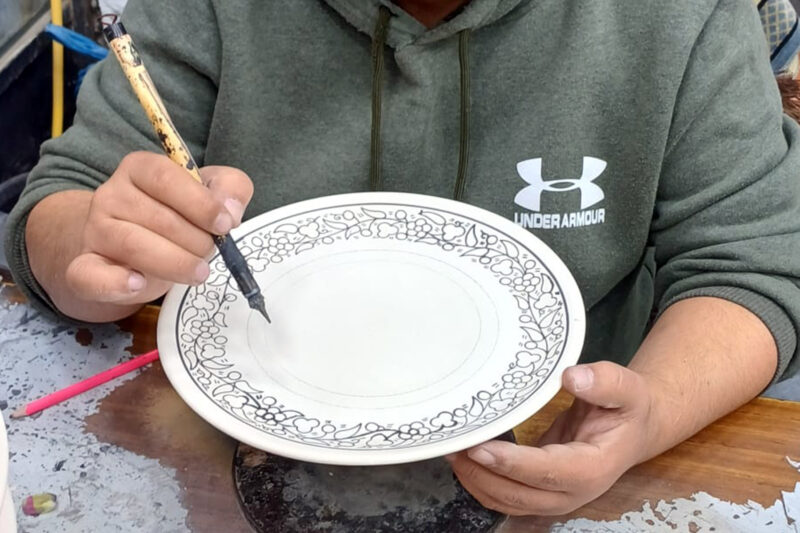
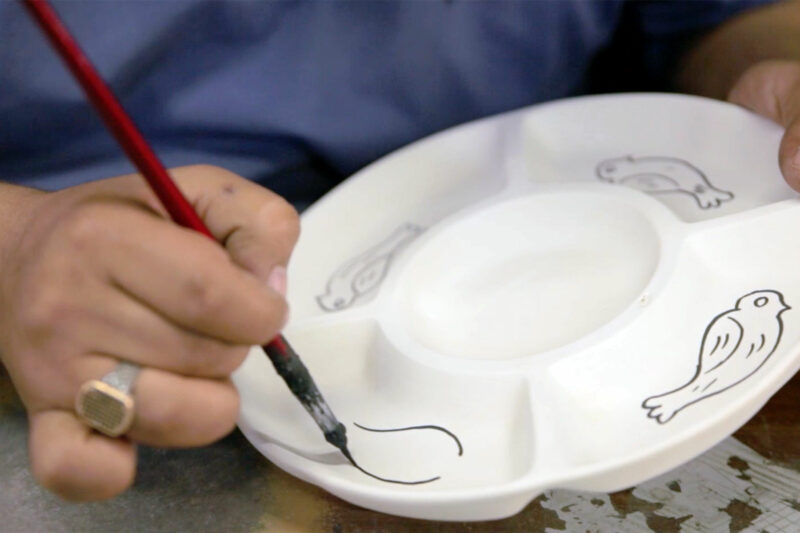
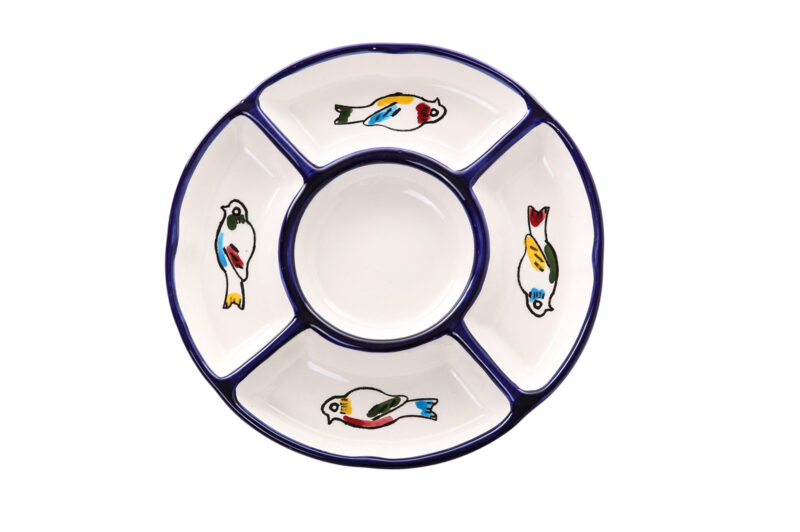
  • Bird plate

    Bird plate

    صحن الطّيور
    €34,95
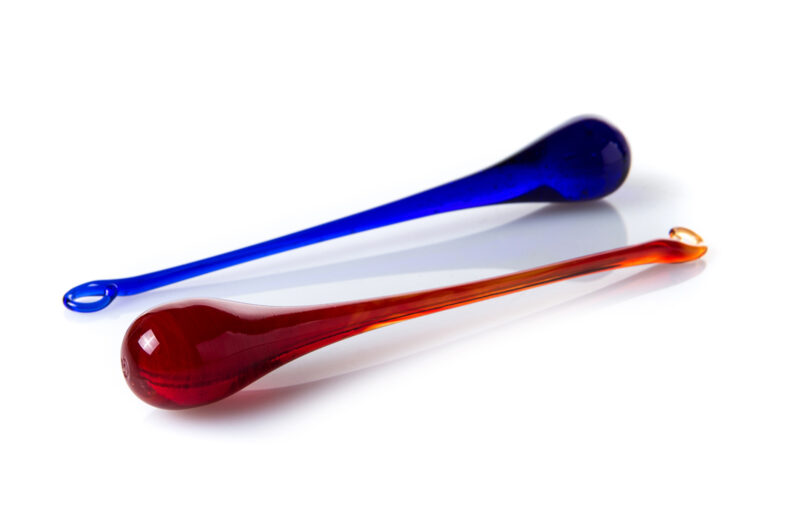
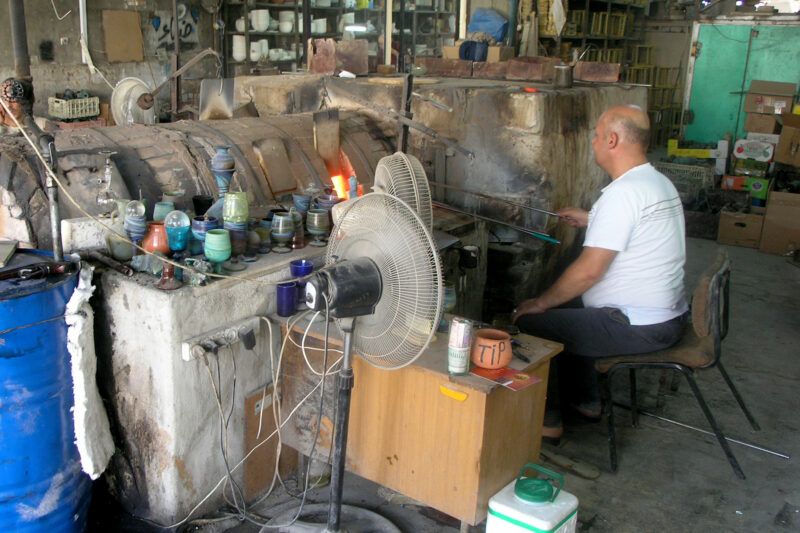
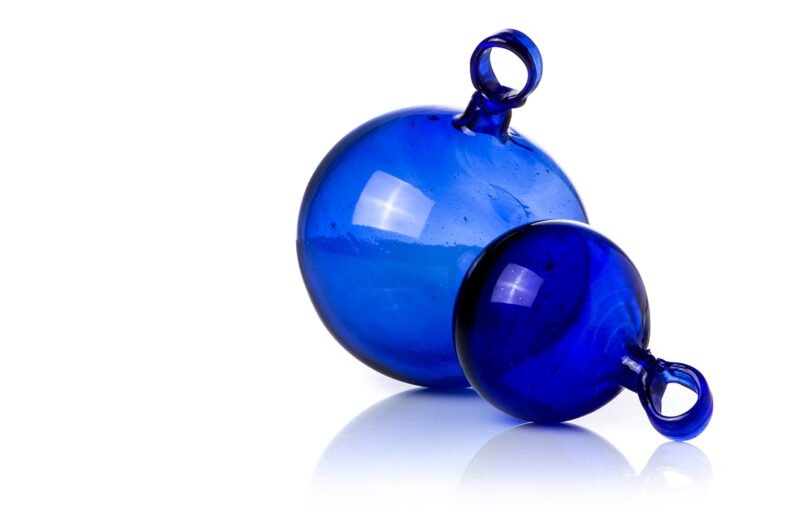
  • Christmas baubles from Bethlehem

    Christmas baubles from Bethlehem

    كرات عيد الميلاد من بيت لحم
    €9,95 – €12,95Price range: €9,95 through €12,95
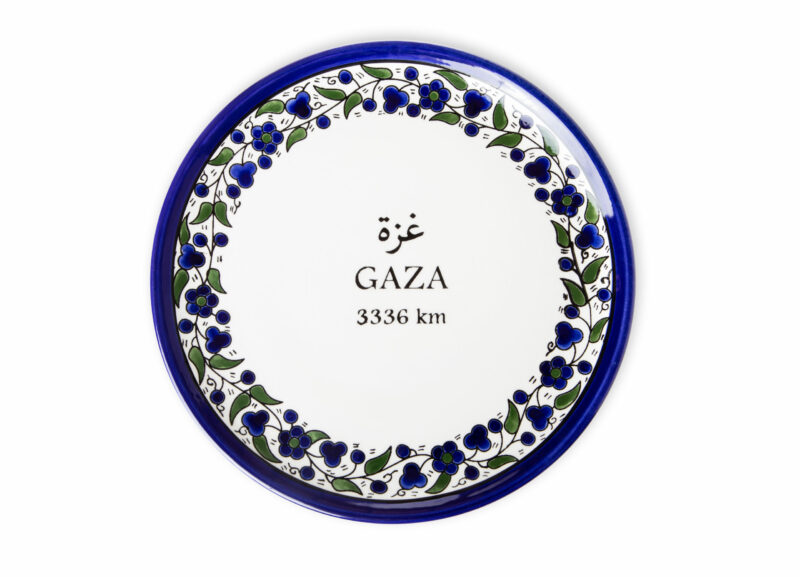
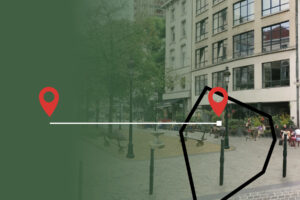
  • Distance to Gaza

    Distance to Gaza

    المسافة إلى غزة
    €29,95
  • Keffiyeh bandage

    Keffiyeh bandage

    ضمّادة الكوفيّة
    €7,95
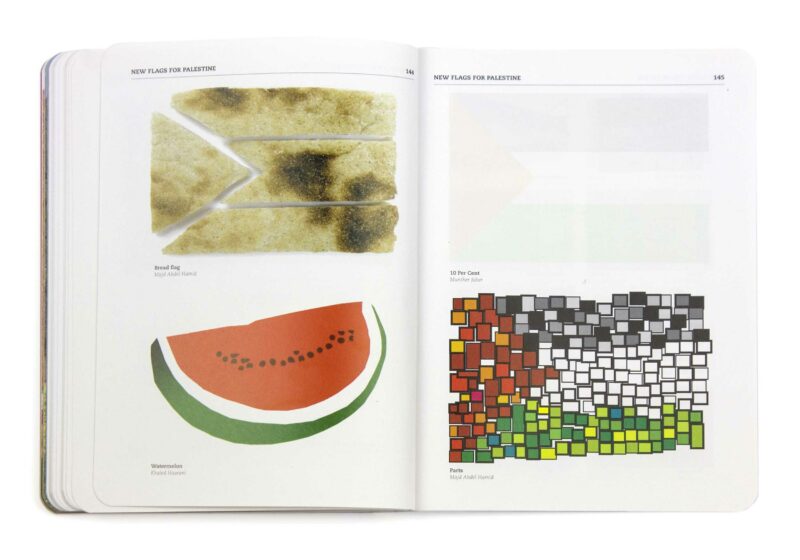
  • Watermelon flag

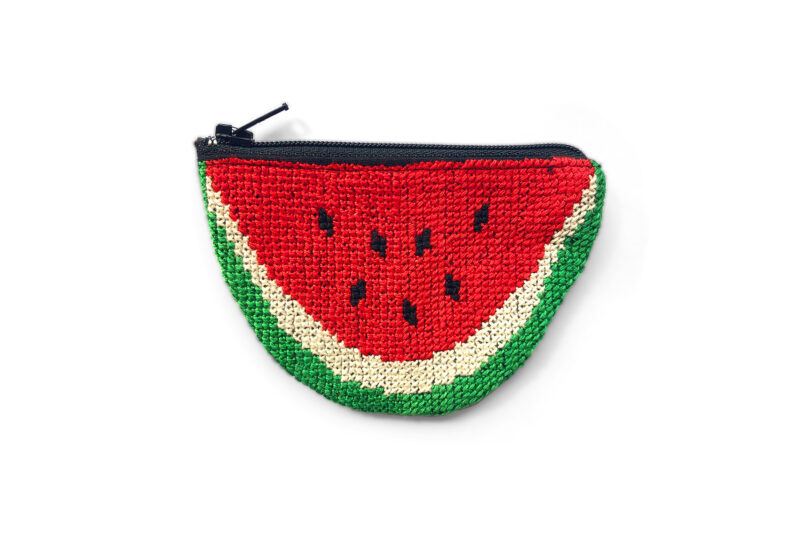
    Watermelon flag

    علم البطّيخ
    €19,95 – €79,95Price range: €19,95 through €79,95
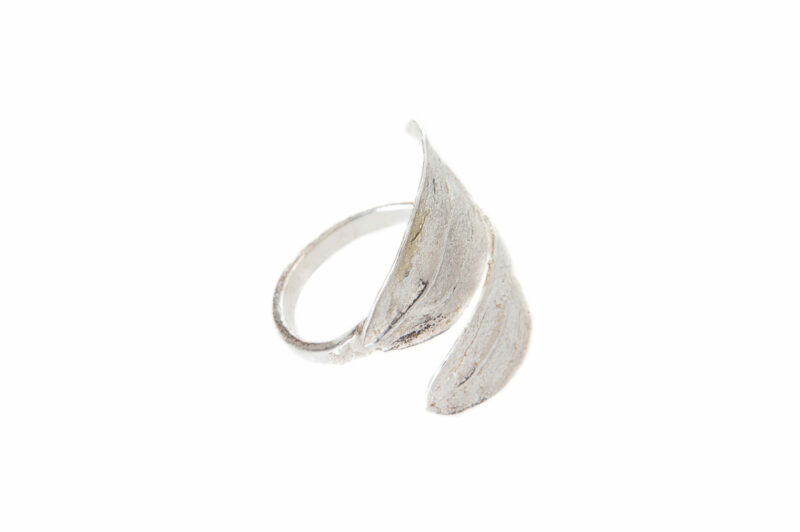
  • Leaf Behind Ring

    Leaf behind ring

    خاتم "أترُك خَلفك"
    €64,95
  • ‘I am an Arab’ t-shirt

    ‘I am an Arab’ t-shirt

    قميص "سجِّل أنا عربي"
    €20,00 – €25,00Price range: €20,00 through €25,00
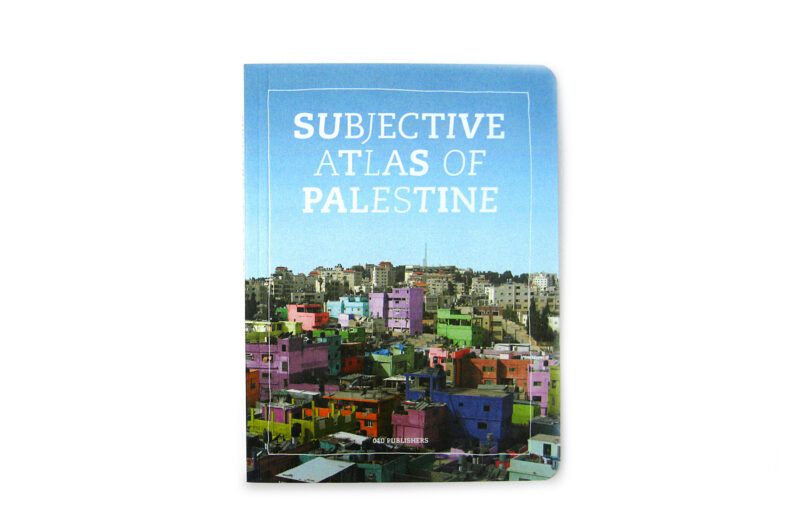
  • Subjective atlas of Palestine

    Subjective atlas of Palestine

    أطلس فلسطين الذاتي
    €24,50
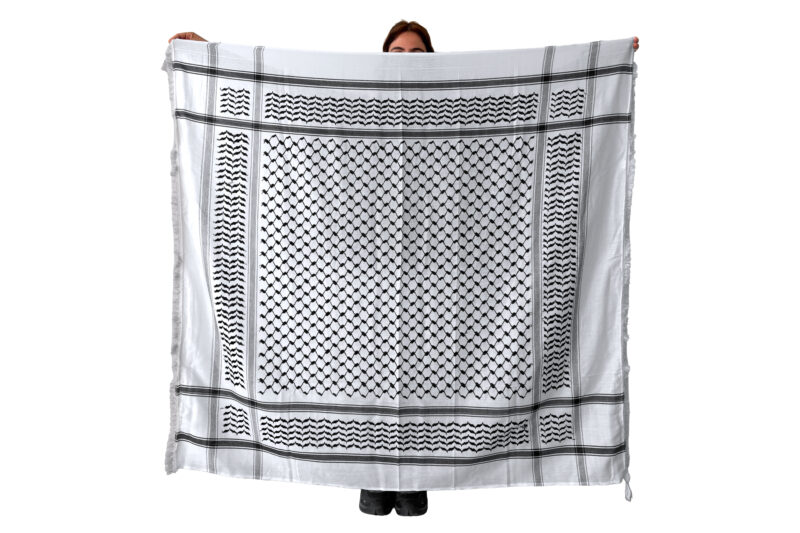
  • Classic keffiyeh

    Classic keffiyeh

    أسود على كوفية بيضاء
    €34,95
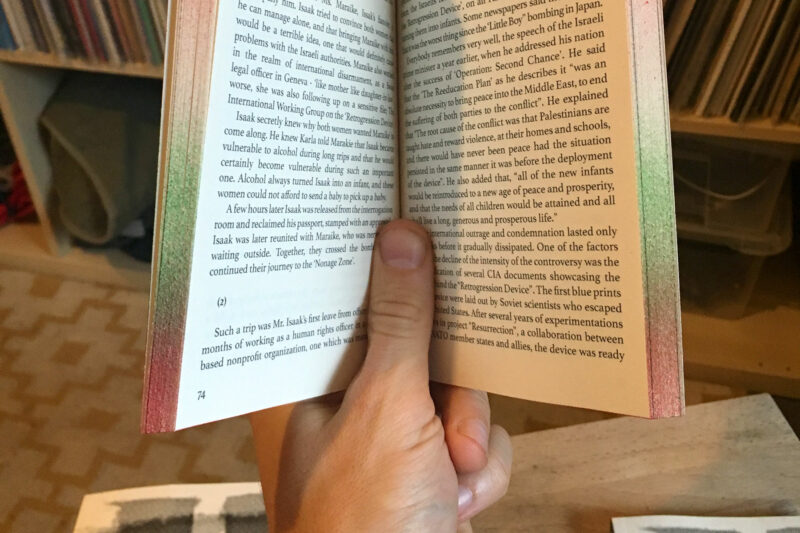
  • Reworlding Ramallah

    Reworlding Ramallah

    إعادة قولبة العالم : رام الله
    €12,50
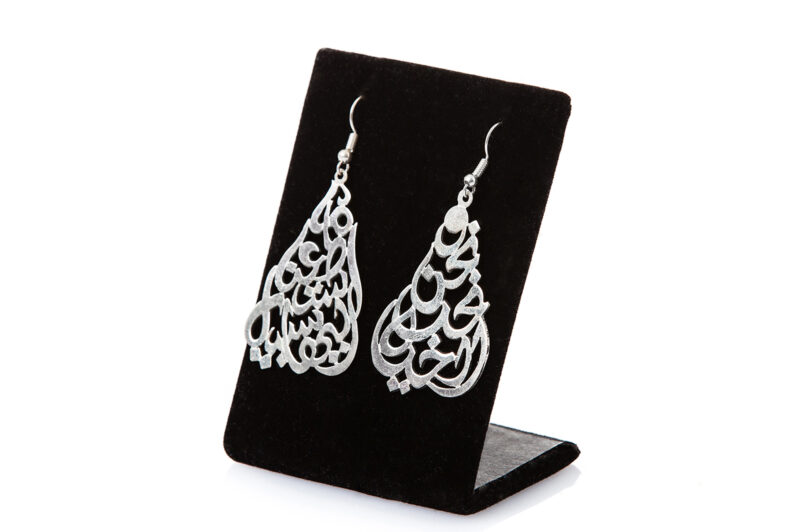
  • Gaza earrings 'Love for life'

    Gaza earrings ‘Love for life’

    أقراط غزة "نُحِبُّ الحياة"
    €165,00
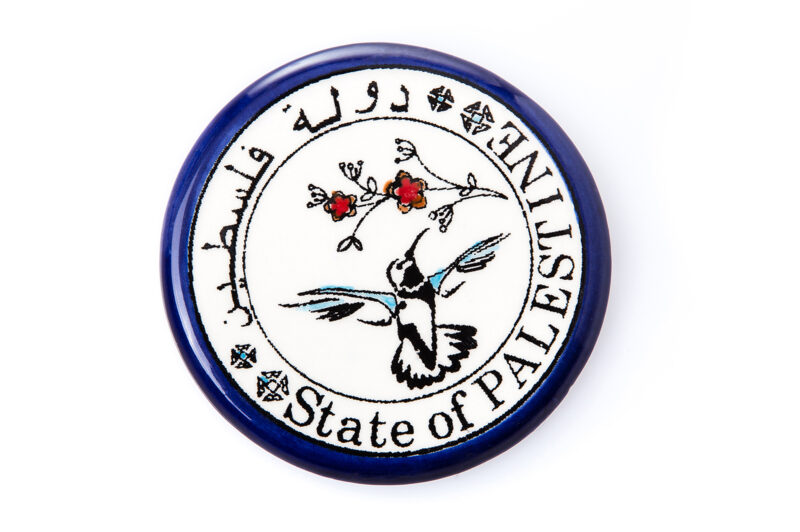
  • State of Palestine

    State of Palestine

    دولة فلسطين
    €11,95
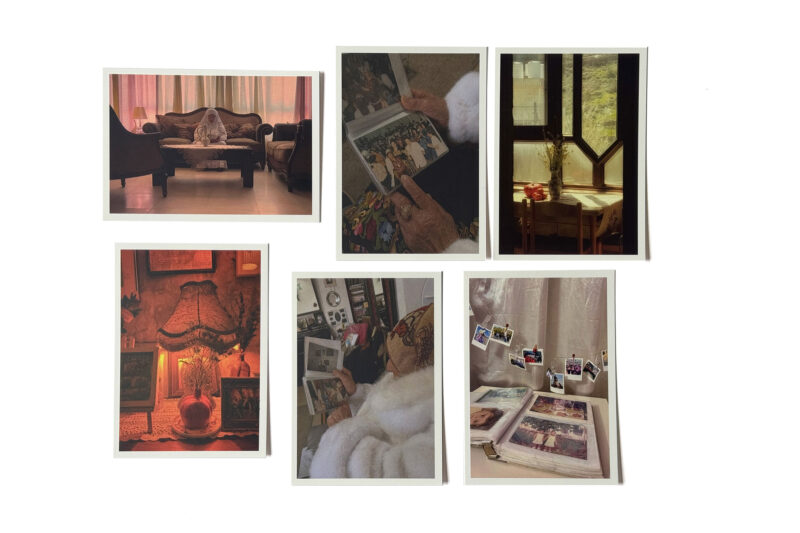
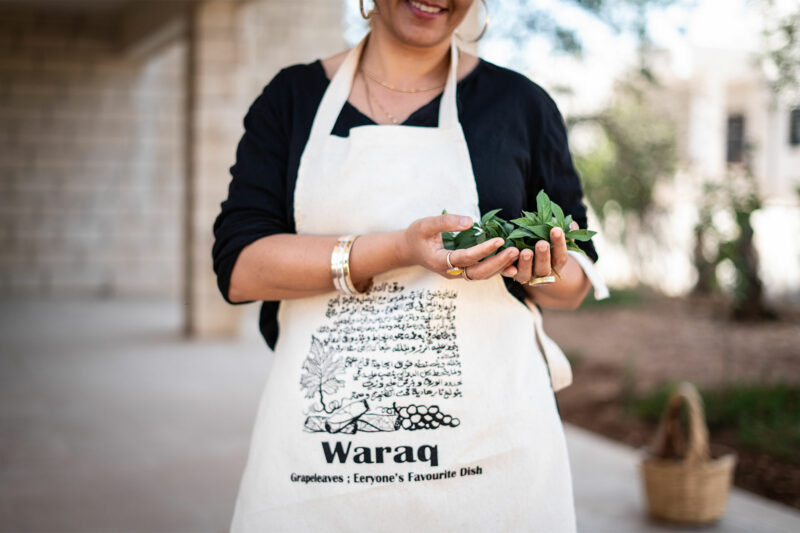
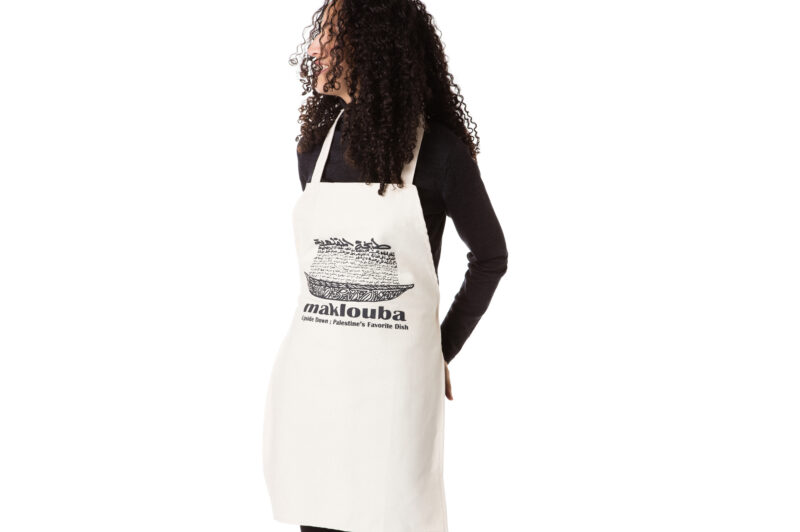
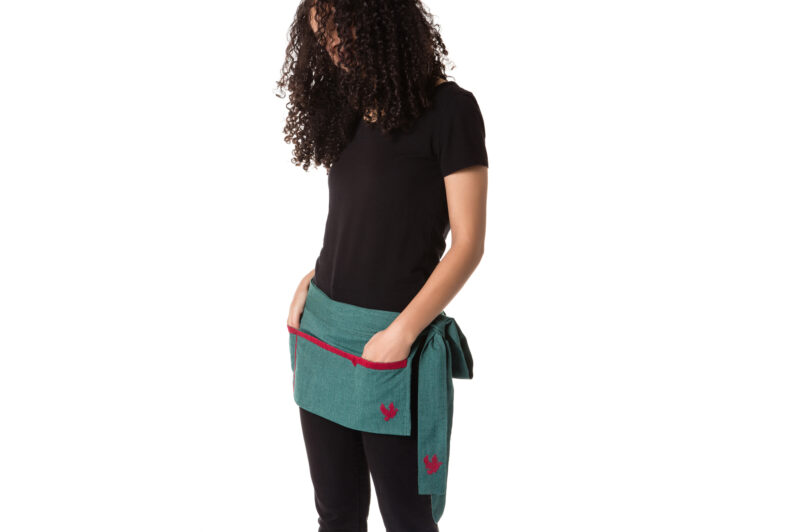
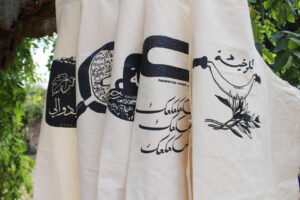
  • Qastina apron

    Qastina apron

    مريلة قسطينة
    €39,95
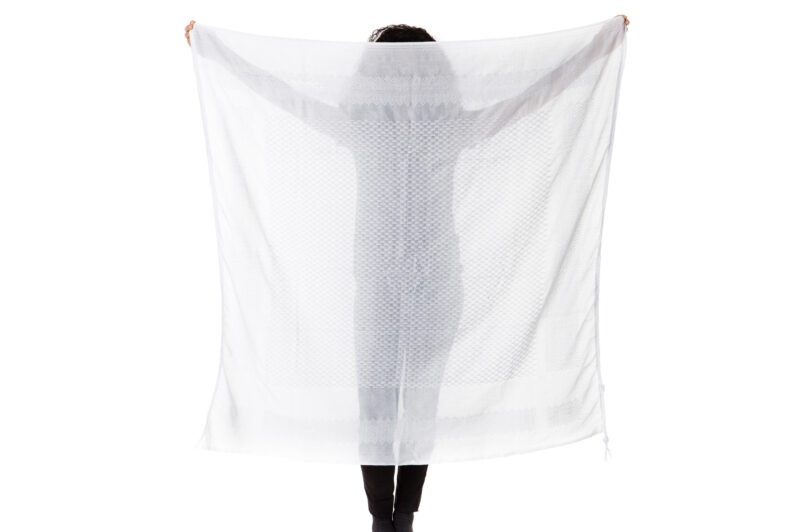
  • White on white keffiyeh

    White on white keffiyeh

    أبيض على كوفيّة بيضاء
    €34,95
  • Beyond First Impressions

    Beyond first impressions

    ما بعد الإنطباع الأوّل
    €29,95
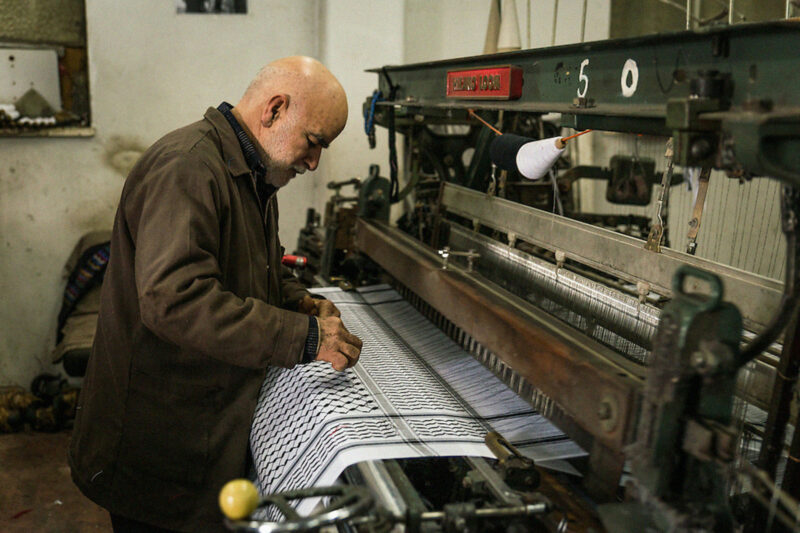
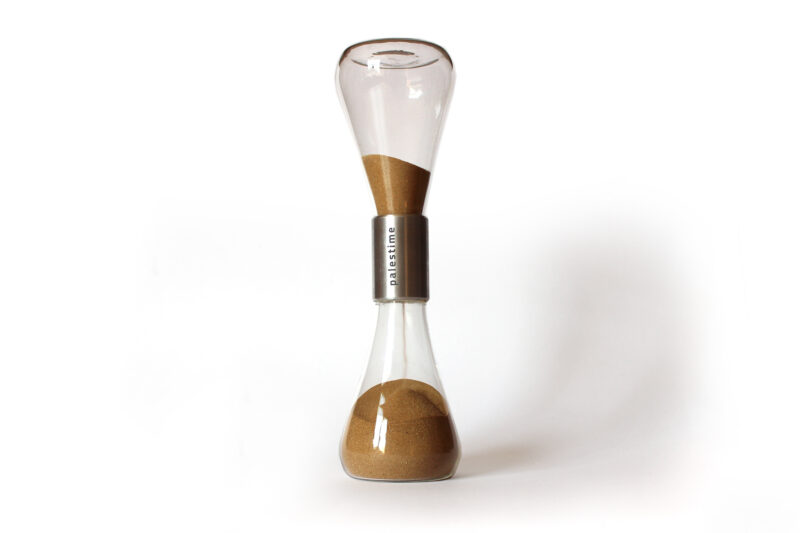
  • Palestime

    Palestime

    فلستايم
    €159,00
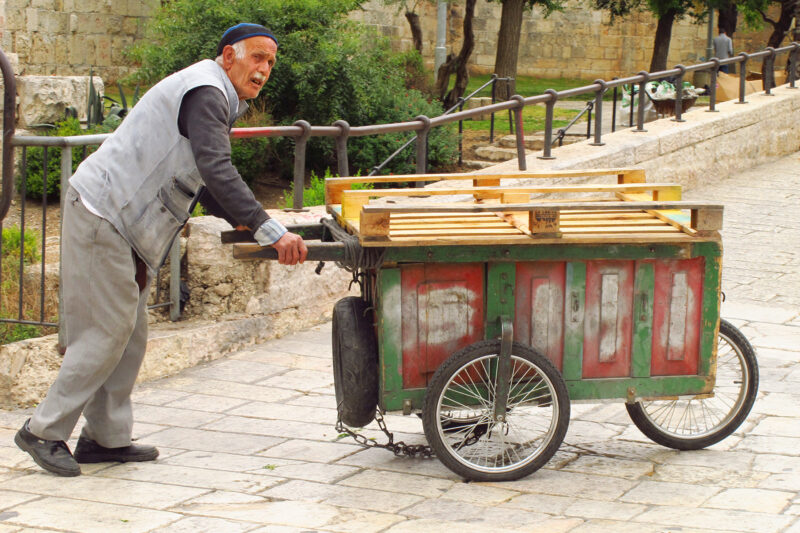
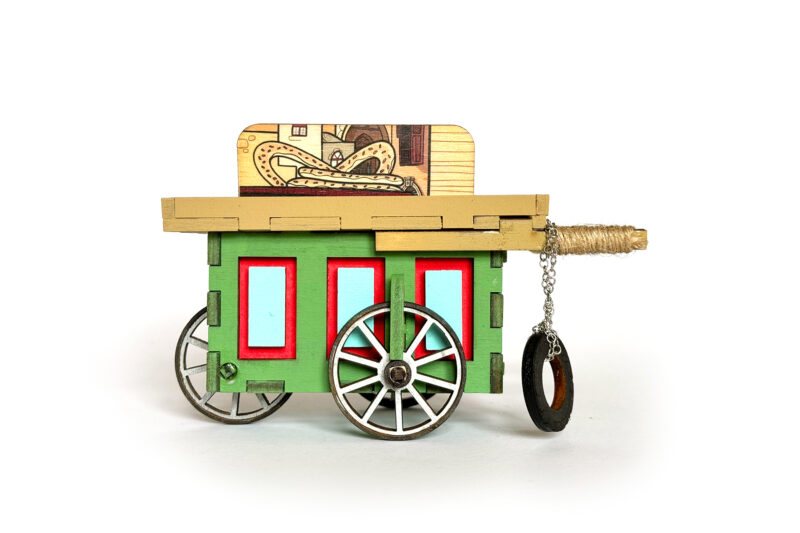
  • Basta

    Basta

    بسطة
    €39,50
  • Measuring inequality

    Measuring inequality

    قياس عدم المساواة
    €49,95
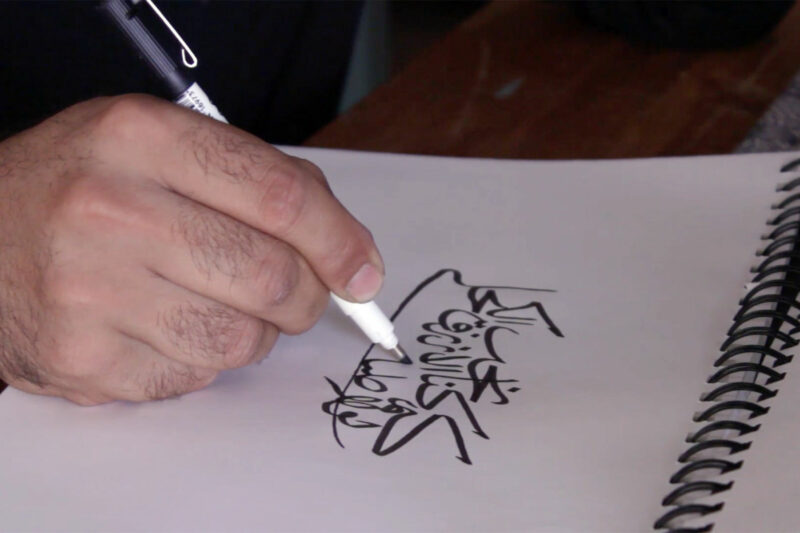
Stories
حكايات
Calender
التقويم Various locations, 2026
  • Sharing
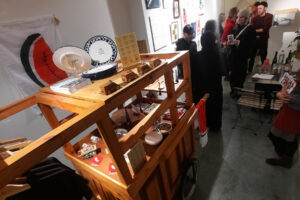
The absence of the meaning of home
غياب معنى البيت DDFP Gallery, Spring 2026
  • Sharing
The meaning of home
معنى البيت On-line, 2025–2026
  • Learning
Finding our place
إيجاد مكاننا A year in retrospect, 2025
  • Sharing
Movement in Practice
الحركة في الممارسة Brussels, Winter 2026
  • Sharing
Things that don't sell
الأشياء التي لا تُباع Antwerp, december 2024
  • Sharing
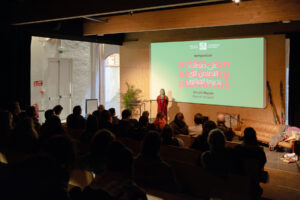
The only lexicon left
المعجم الوحيد المتبقي Kunsthal Gent, 22 June 2024
  • Learning
On artist-run solidarity platforms
على منصات التضامن التي يديرها الفنانون Kunsthal Gent, 21-22 March, 2024
  • Learning
Leaving 2023 in grief
مغادرة عام 2023 في الحزن A year in retrospect, 2023
  • Sharing
Ways to translate solidarity to action
طرق ترجمة التضامن إلى عمل 20 October 2023
  • Learning
Infrastructures for solidarity through design
مقومات للتضامن من خلال التصميم Pianofabriek, Brussels, 5-6 October 2023
  • Learning
Disarming Design ?
تصاميم مجرّدة Forum+, February 2023
  • Sharing
Qastina is to root myself again
قسطينة يعيدني لجذوري من جديد Bethlehem-Brussels, 15 February 2023
  • Making
2022, a year to solidify
عام 2022 ، سنة يجب ترسيخها Palestine, Belgium and beyond, 2022
  • Sharing
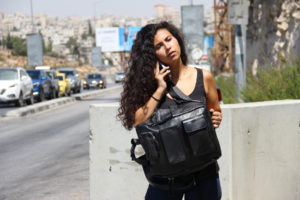
From Checkpoint bag to Blacksac
من شنطة الحاجز إلى البلاك ساك Al Quds, 2015 – Al Khalil, 2022
  • Making
2021, a year in retrospect
٢٠٢١ سنة مفصليّة January 2022
  • Sharing
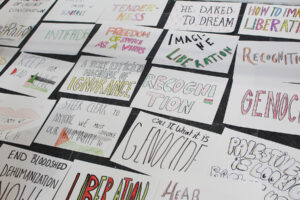
Call for solidarity
نداء للتضامن Until liberation
  • Sharing
Masters programme Disarming design
ماجستير معهد ساندبرج Sandberg Instituut Amsterdam, 2020 — 2022
  • Learning
Design for Disarming times
التصميم لأوقاتنا المجرِّدة Onomatopee publishers, 2020
  • Sharing
Life of the Palestinian rug
ورشة البساط الفلسطيني Birzeit, September - October 2020
  • Learning
Facemask from Gaza
قناع الوجه من غزة August 2020
  • Making
Hosh Jalsa
حوش جلسة Birzeit, 2018 – 2020
  • Learning
Marketing workshop
ورشة التسويق Birzeit, January – February 2020
  • Learning
Bags Prince Claus Awards
حقائب صندوق الأمير كلوز Amsterdam, 4 December 2019
  • Making
Stories
حكايات

Collective thinking
تفكير جماعي

    Tags:
  • Learning
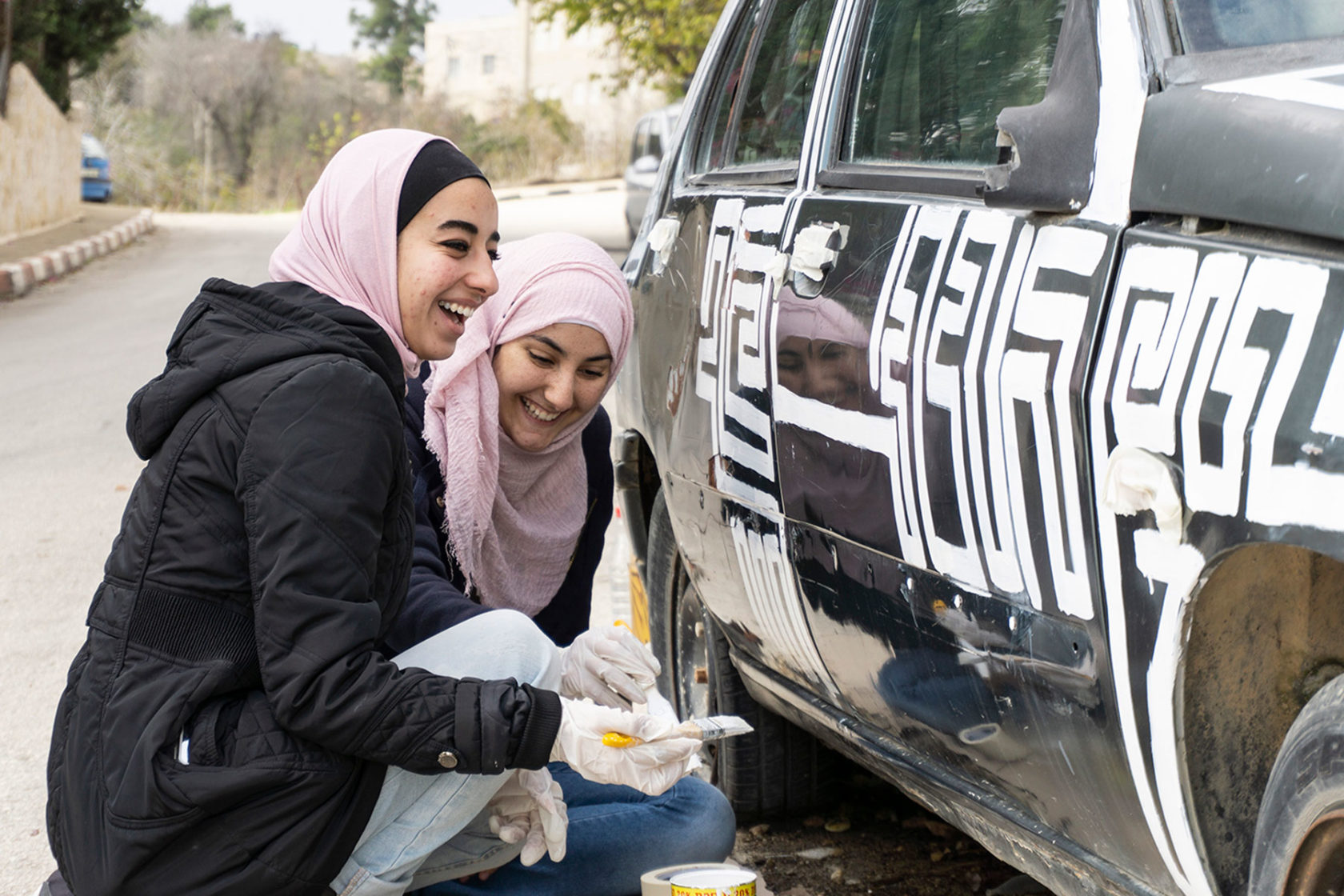
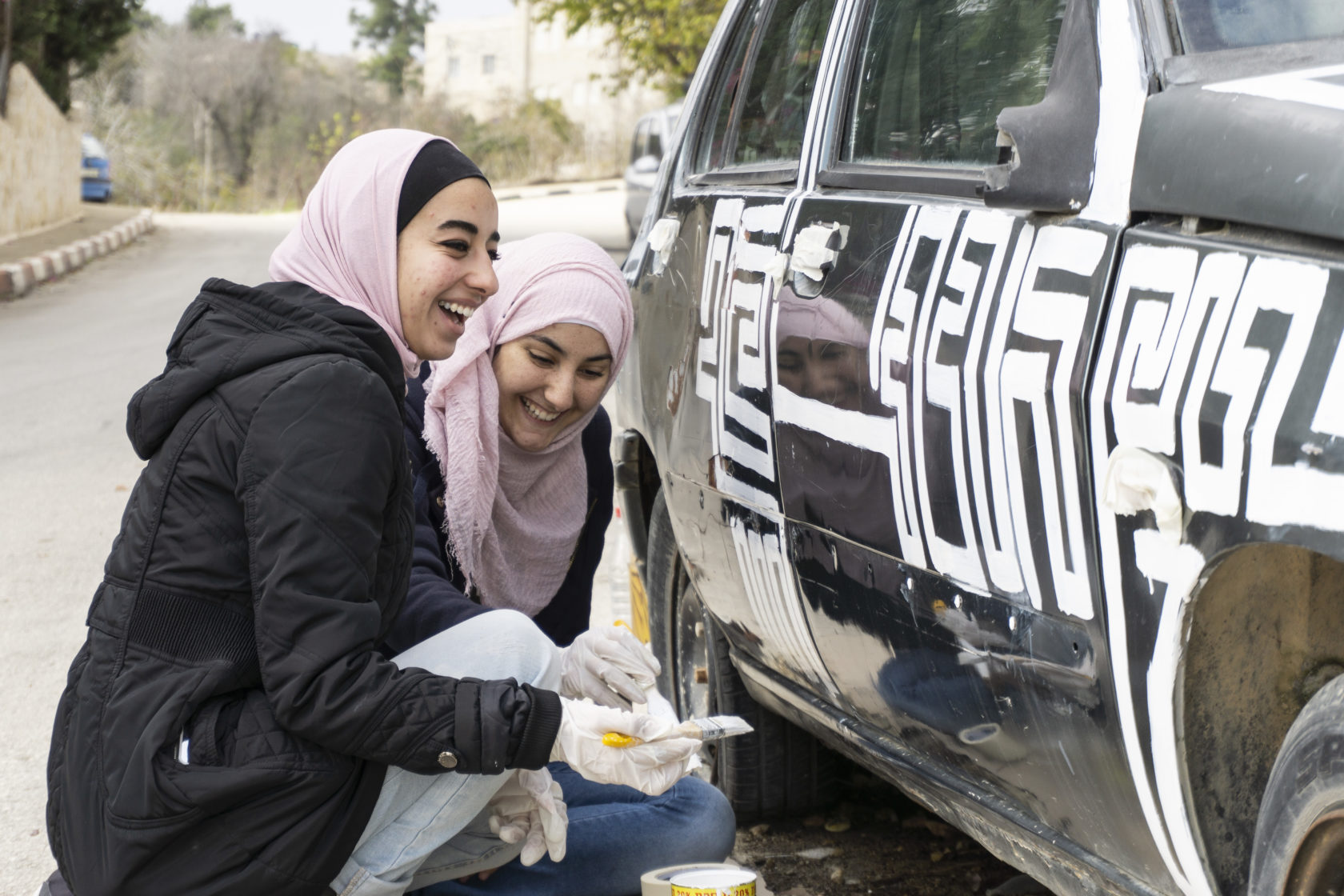
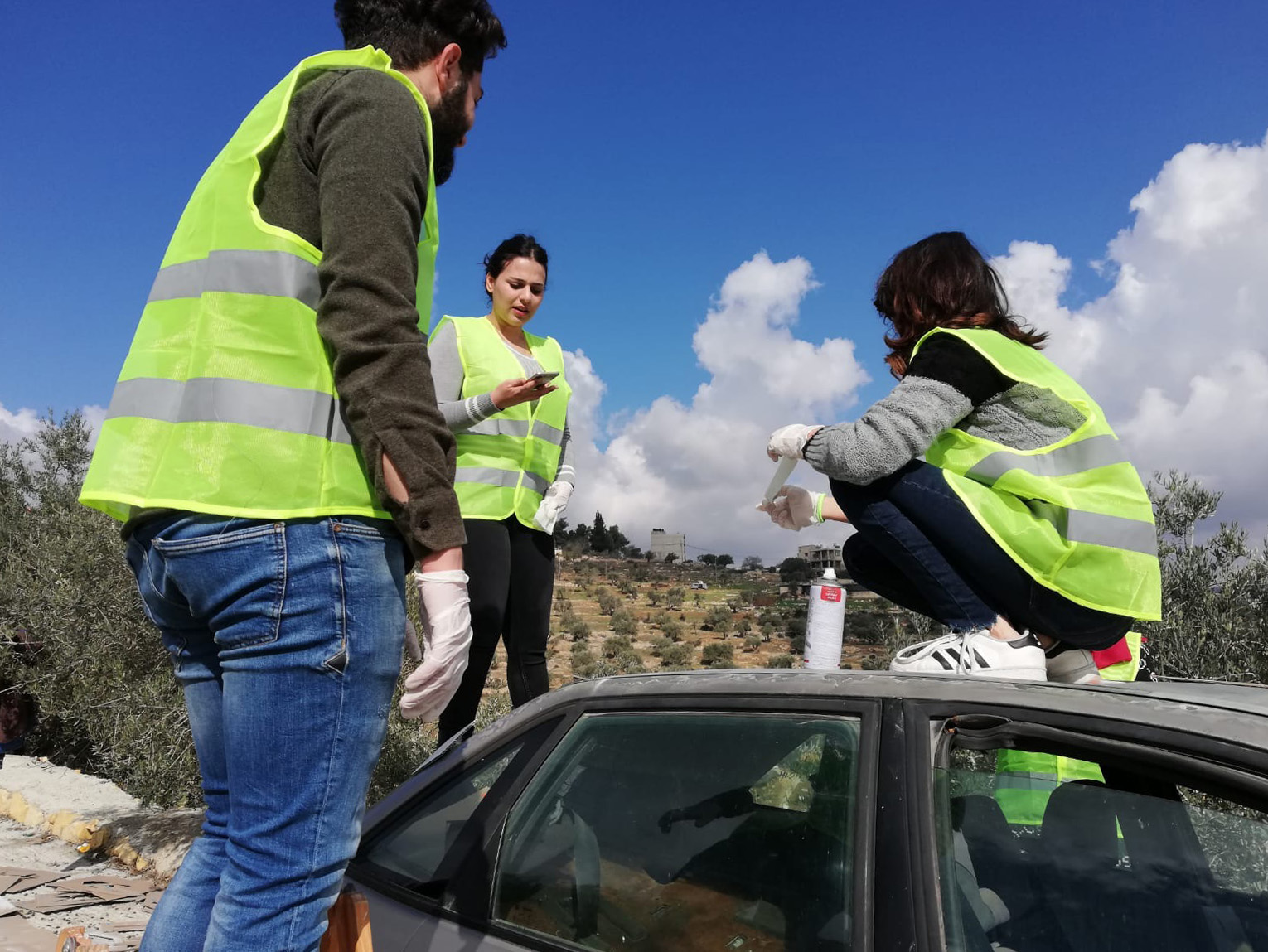
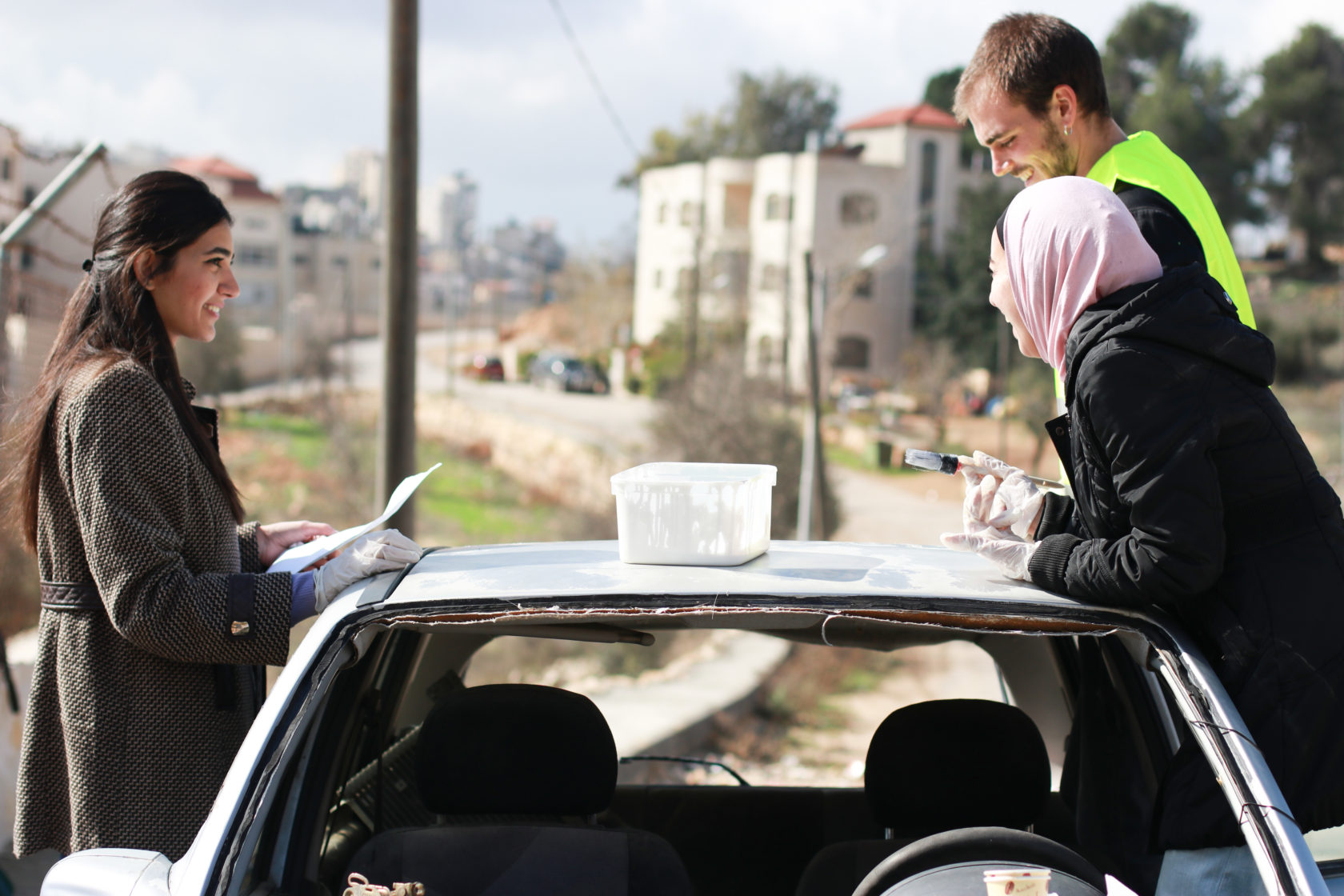
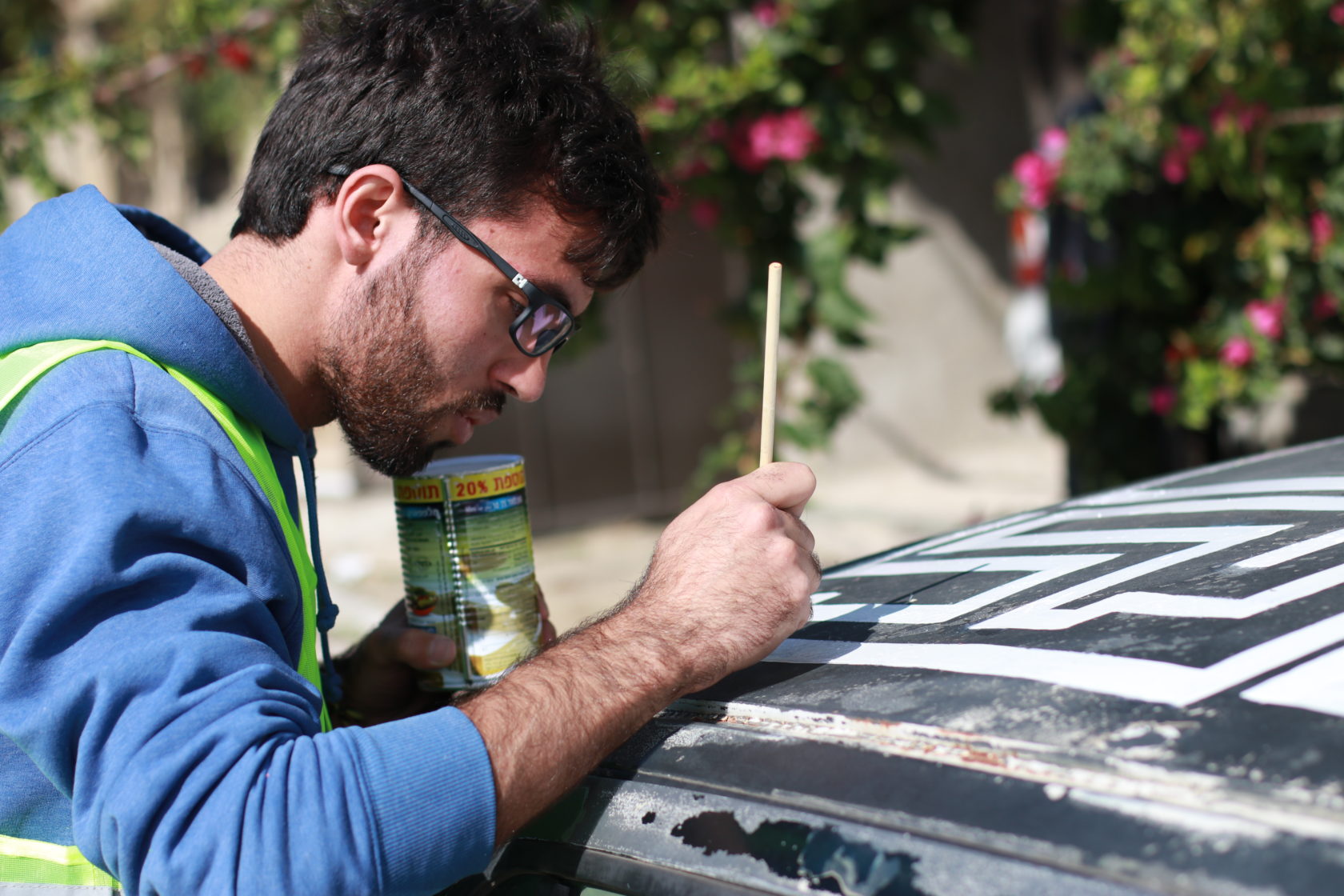
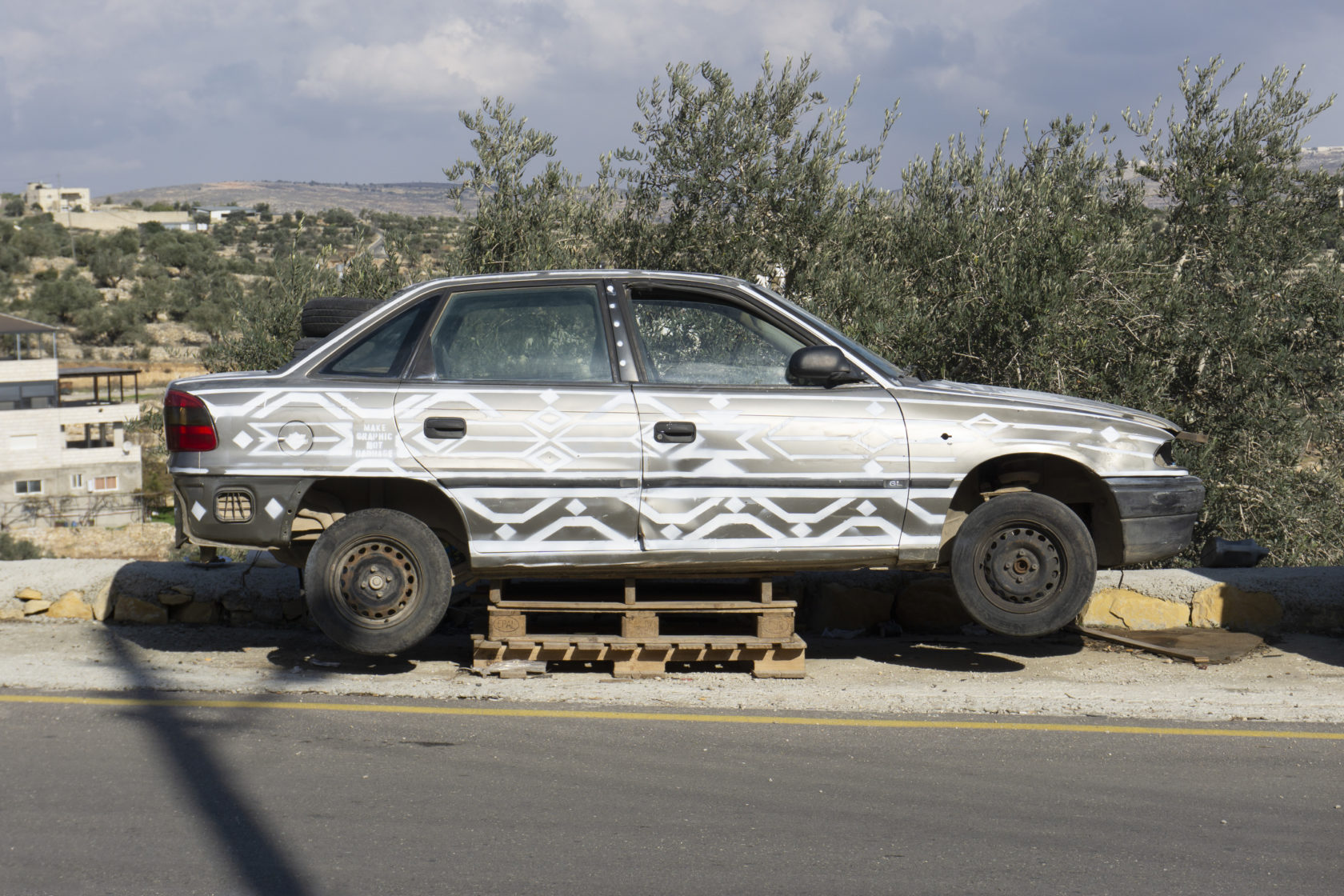
Saba Rjoub and Sarah Zaben are "making graphic not garbage" during a workshop session

Workshop about collective knowledge through different design approaches, by Mirelle van Tulder and Tommaso Anceschi
Hosh Jalsa, Birzeit, November – December 2018
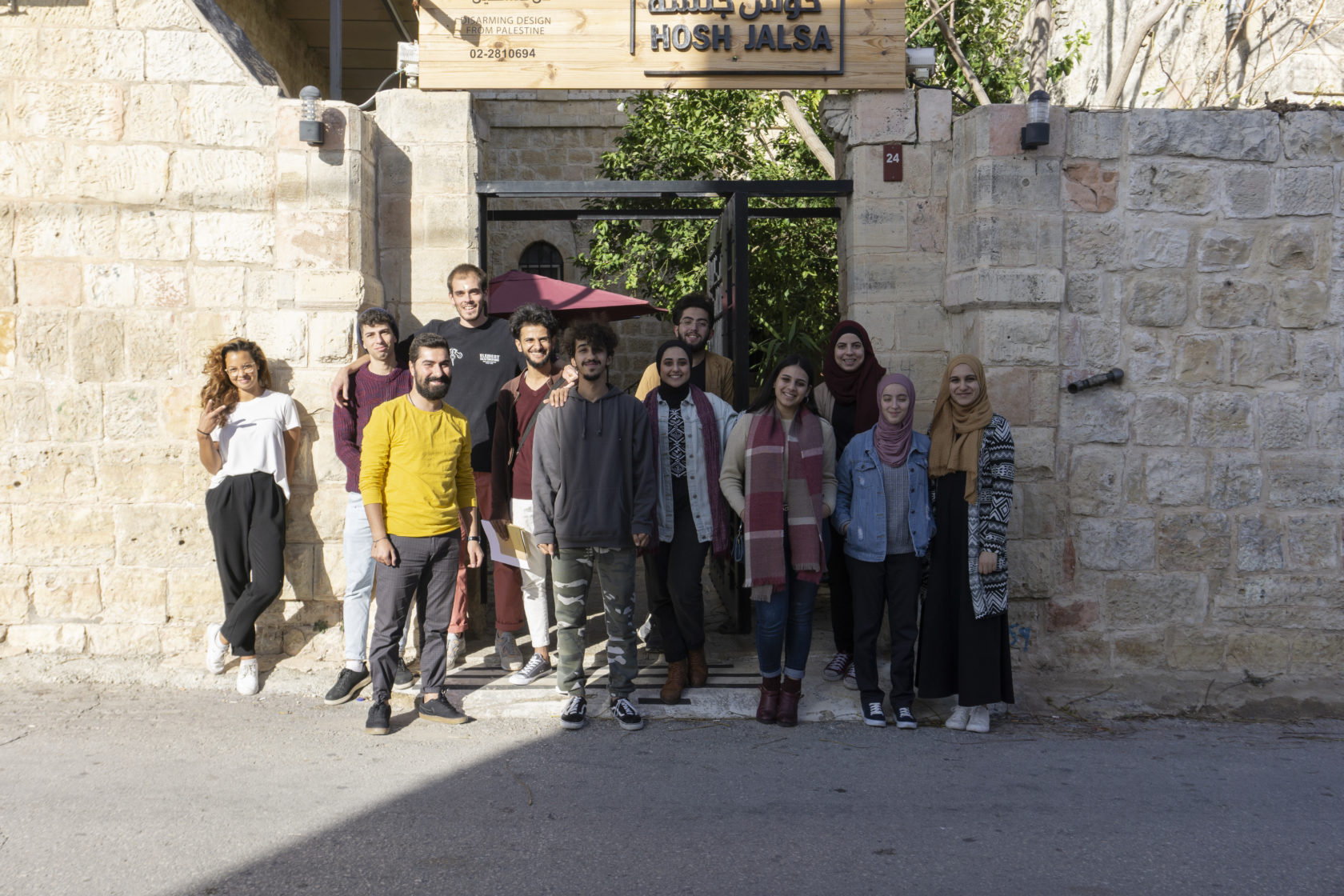
During their design residency at Hosh Jalsa, Mirelle van Tulder (graduate student at HKU Utrecht) and Tommaso Anceschi (master student Isia, Urbino) organized a workshop of 4 sessions about creating collective knowledge through different design approaches. This is what they did:

Tommaso and Mirelle proposed a structured program of 4 workshops during November/December taking place at Hosh Jalsa in Birzeit, that aimed to involve the local community (with a focus on design students from BirZeit University) in a process of collective thinking and design. During the program “COLLECTIVE THINKING” the designers were invited to participate in workshops taking place in and outside of the Old City of BirZeit, in order to stimulate an assertive mentality to initiate, trust and collaborate, based on shared values and talents.

“More and more designers are involved in processes of co-designing, participation, open-source models and workshops — and learning together while doing. Design is not presented as means to produce forms and shapes, but as a way to structure a process and find meaning in the way shapes can form new relationships.”
— 
Annelys de Vet


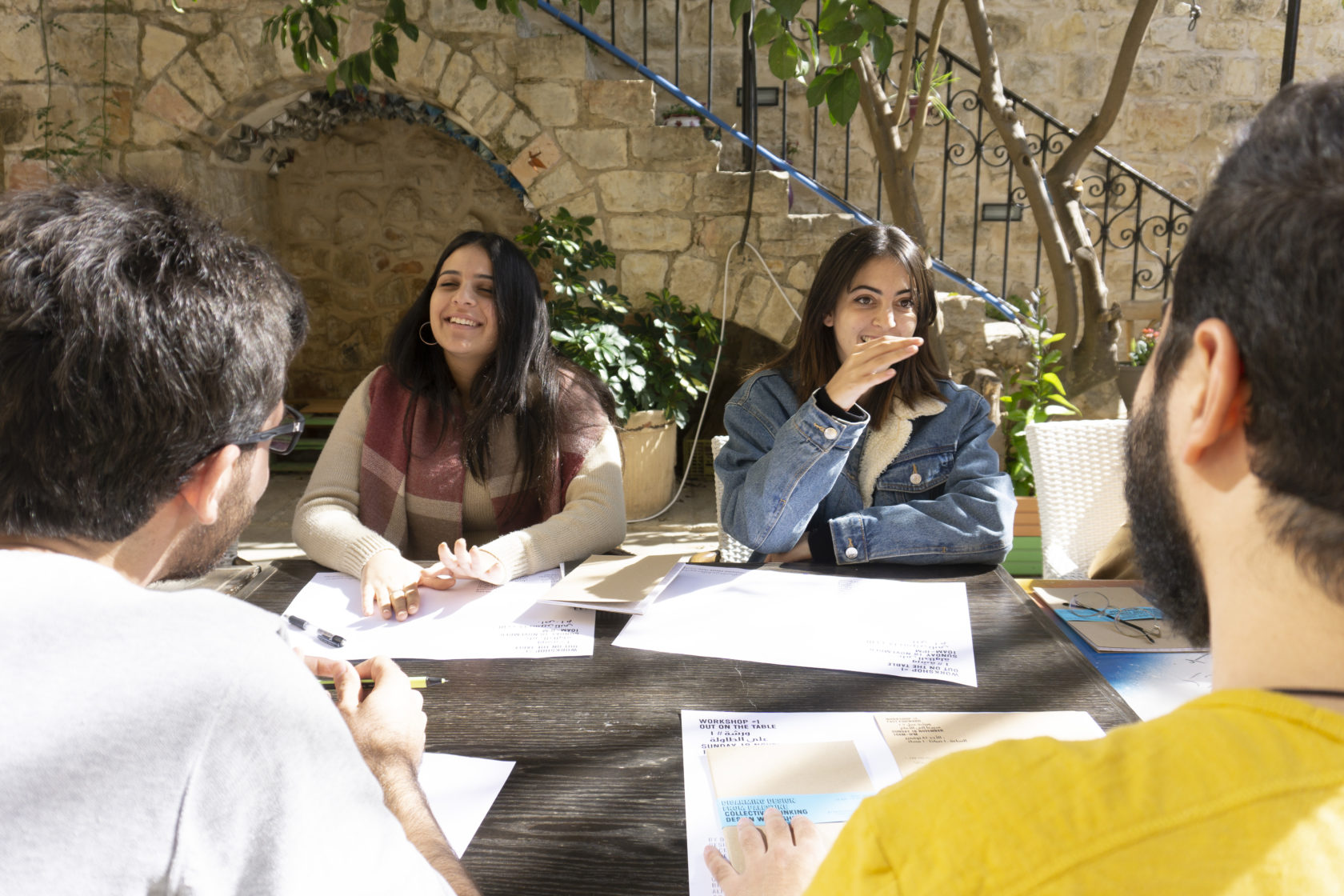
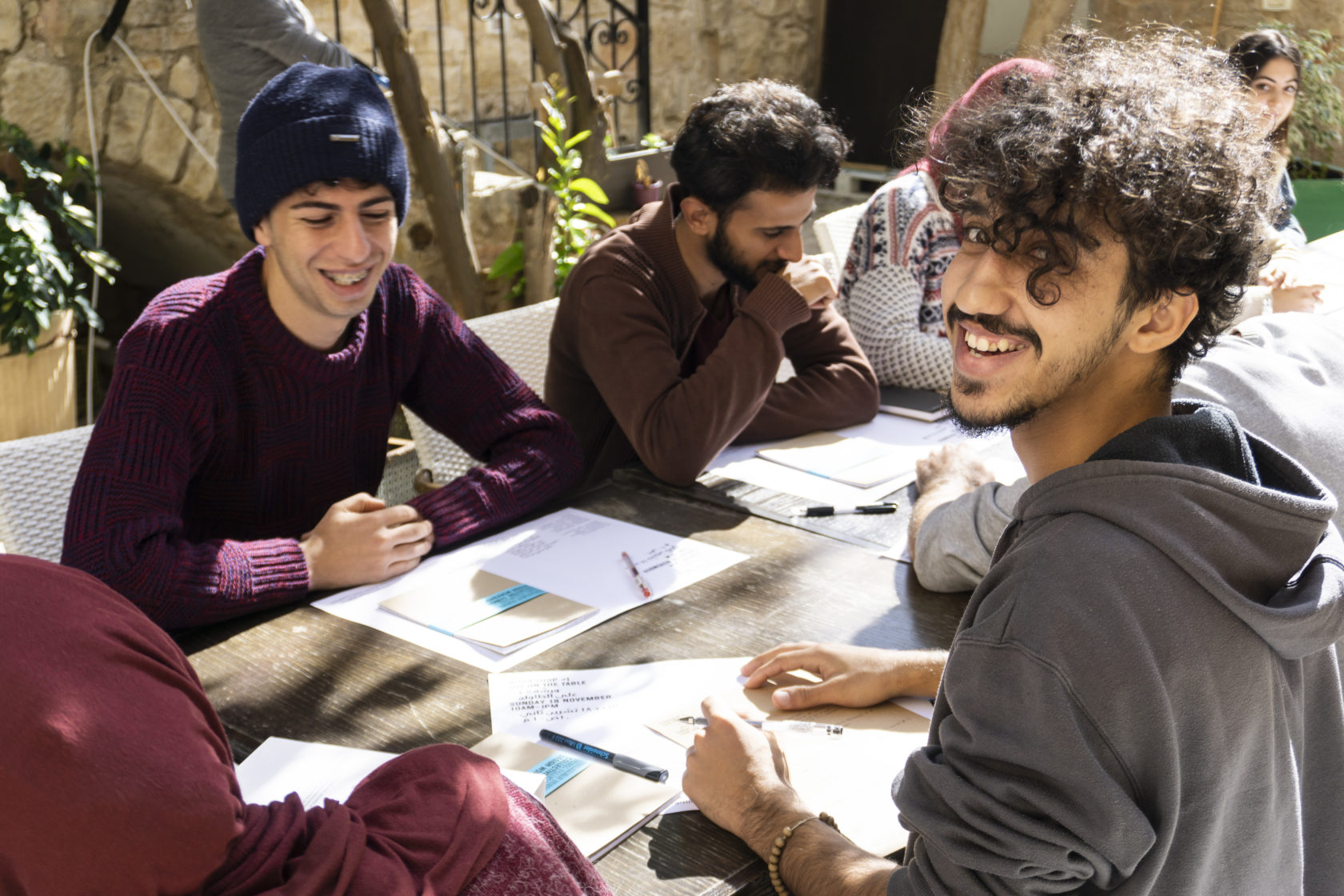
Out on the table

Four courses of good conversation on today’s menu

Sun. 18 Nov. 10am — 1pm

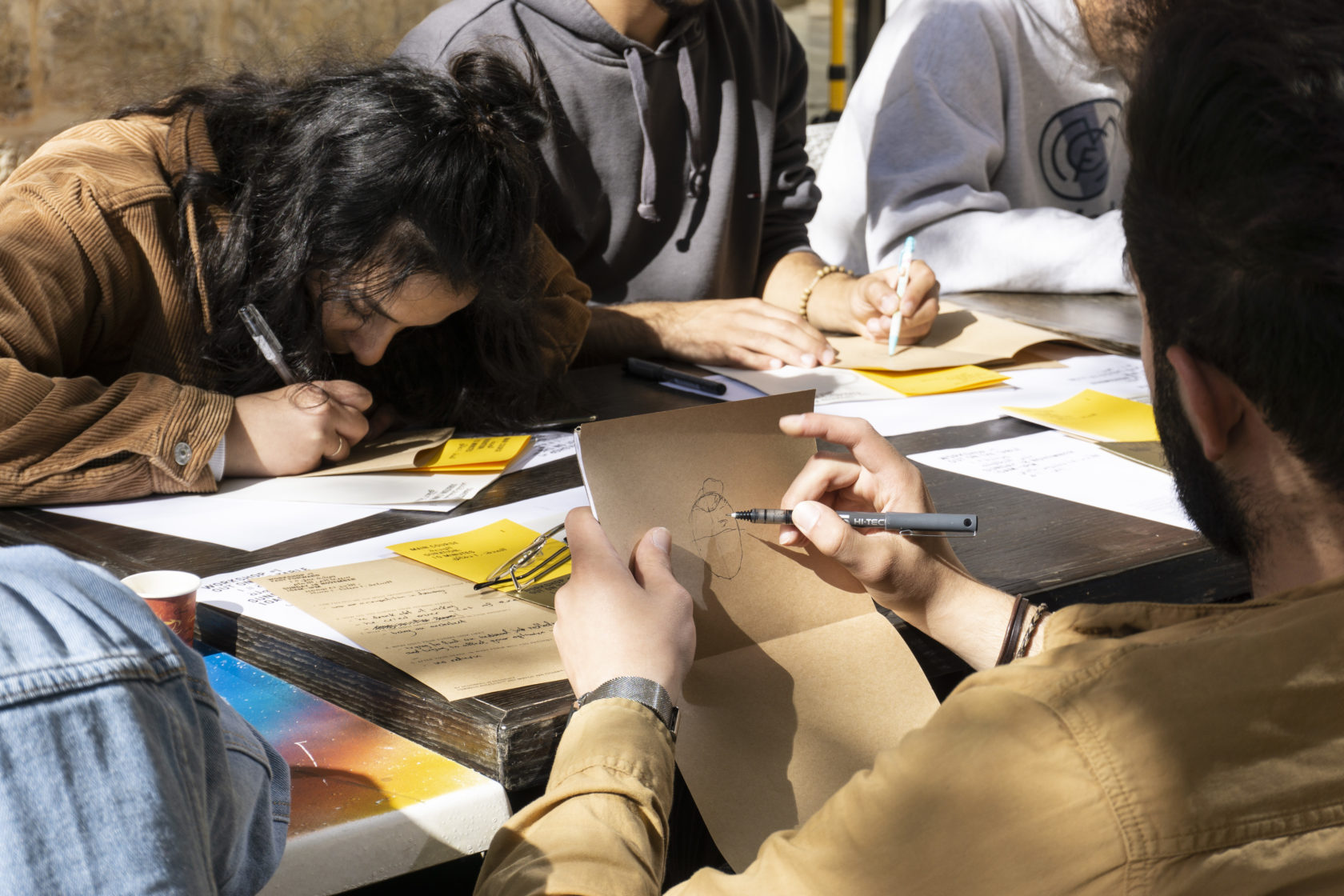
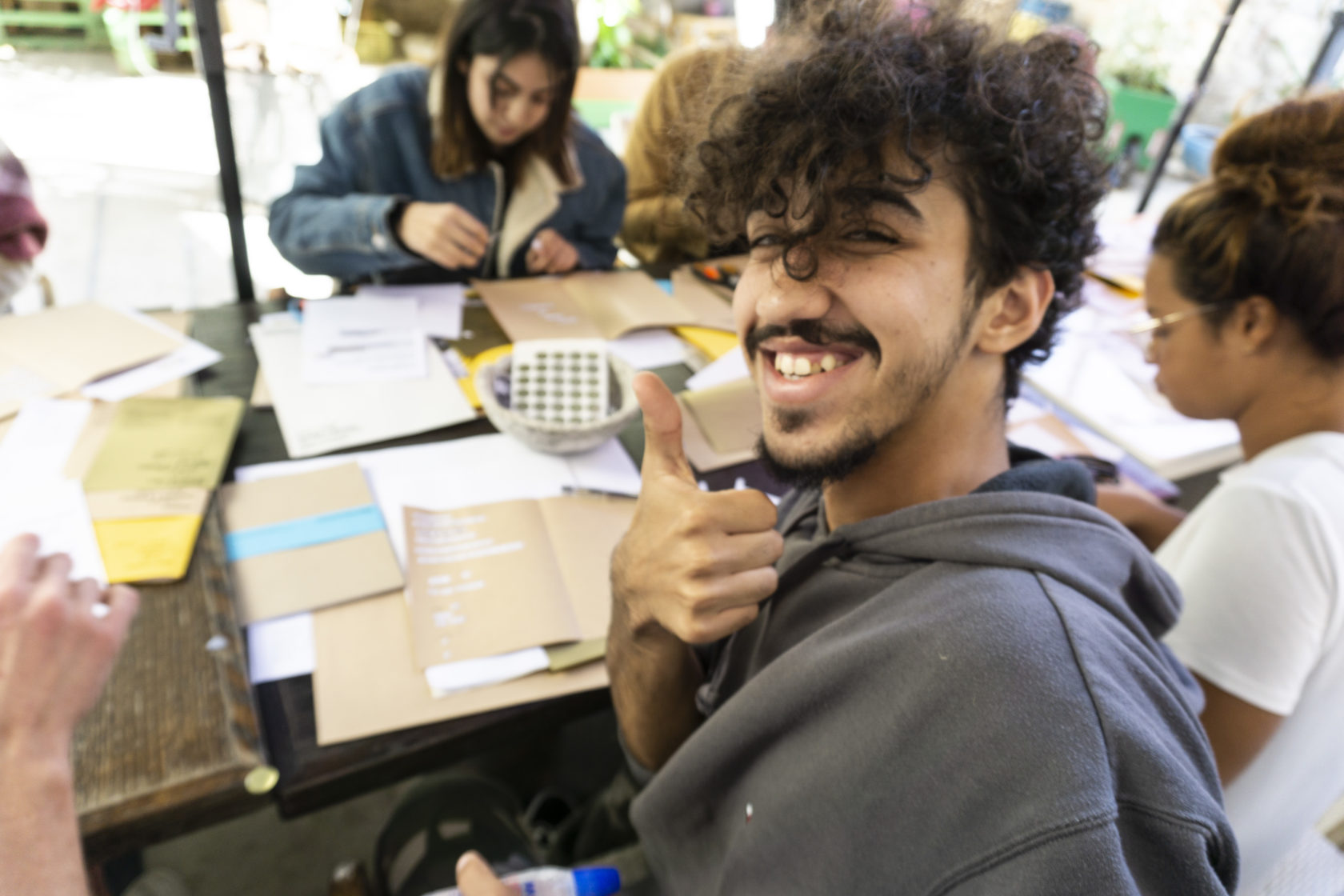
Sometimes food is just an excuse to sit in front of someone and start speaking, because we need it. How much time do you spend to really look at people, talk to people, know people? How often can you ask them about their feelings, memories, ideas? Be honest, be brave, listen.This workshop was designed to improve your social skills through an act of design.

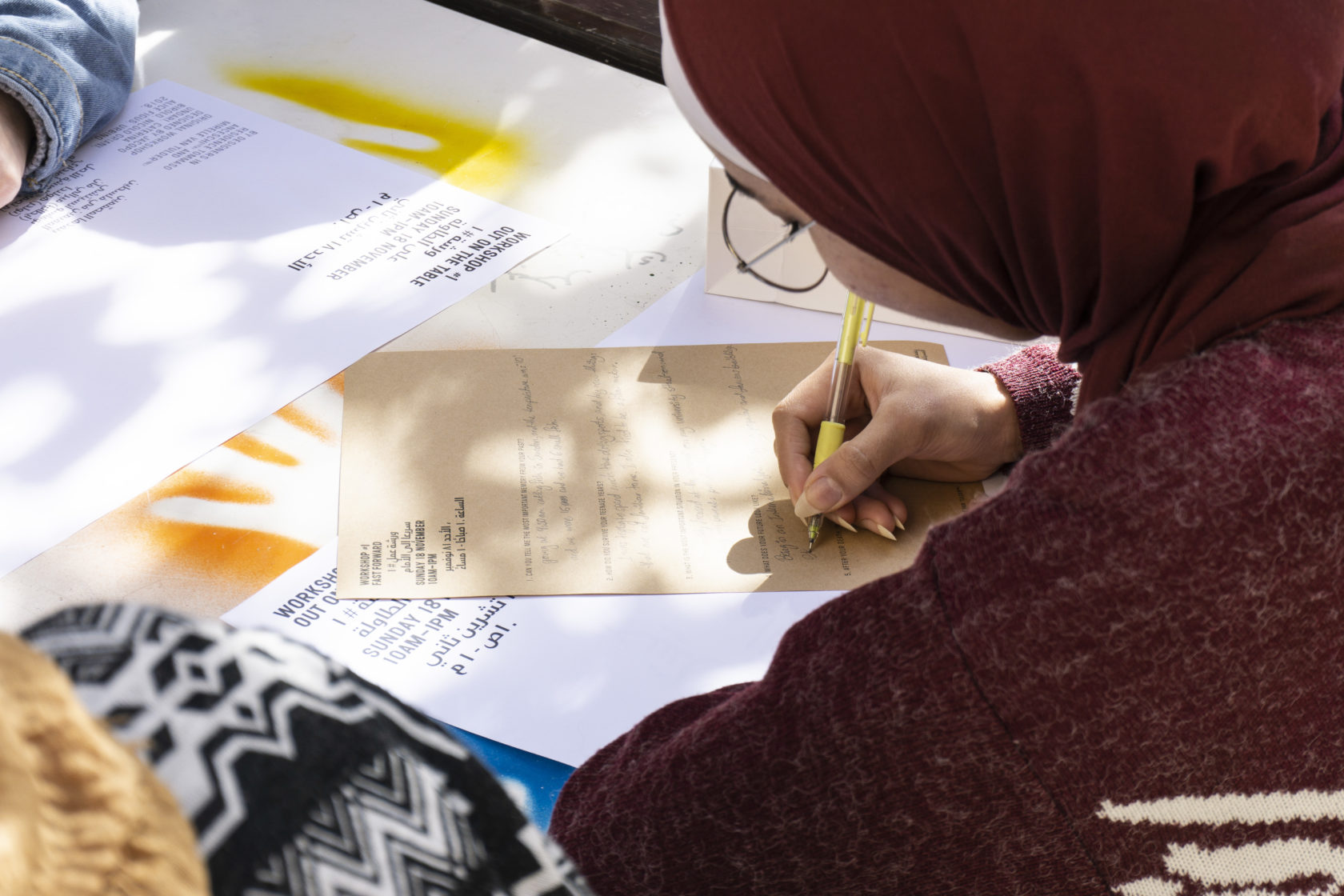
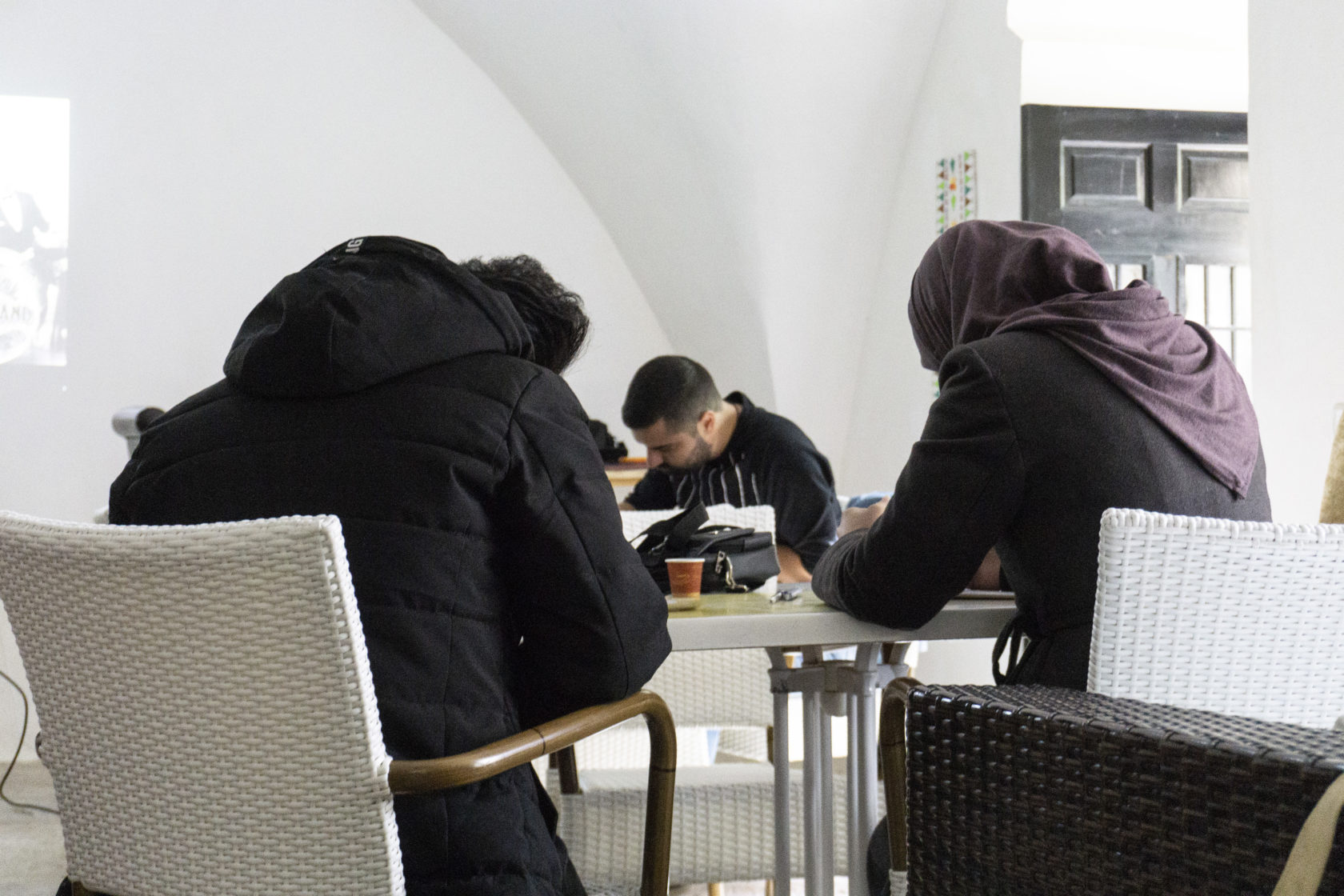
The workshop started with a preparatory exercise called ‘FAST FORWARD’, a fast exercise to break the ice between the participants, who were asked to answer questions about different stages in their personal lives. The exercise was designed in the form of speed dating, giving the participants only two minutes to answer to each question before switching to the next seat. The questions about childhood, teenage years, present and future were printed on a sheet. On the other side of the tabe the person would write down the answers giving by each participants creating a hypothetical life story build up from different lives.

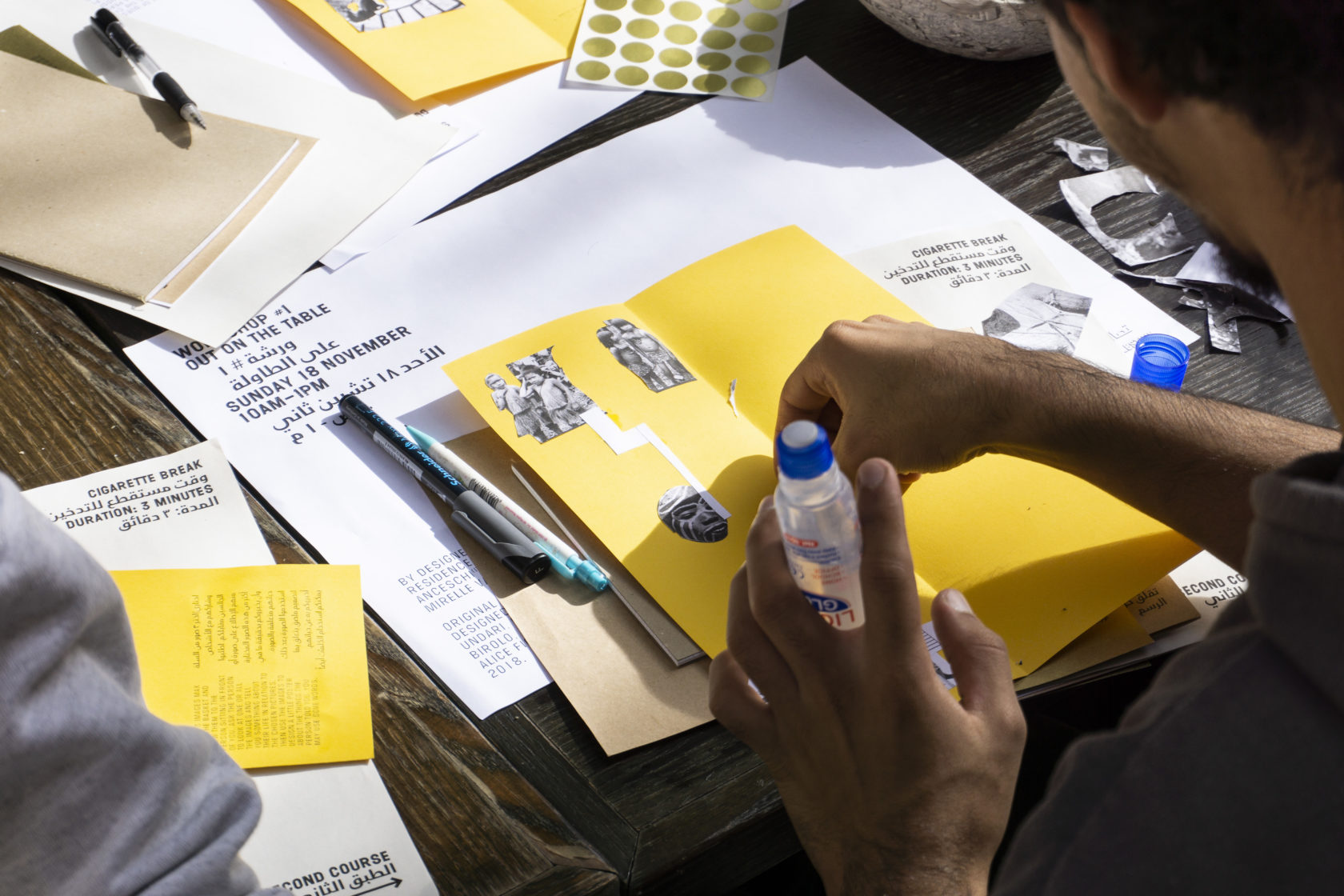
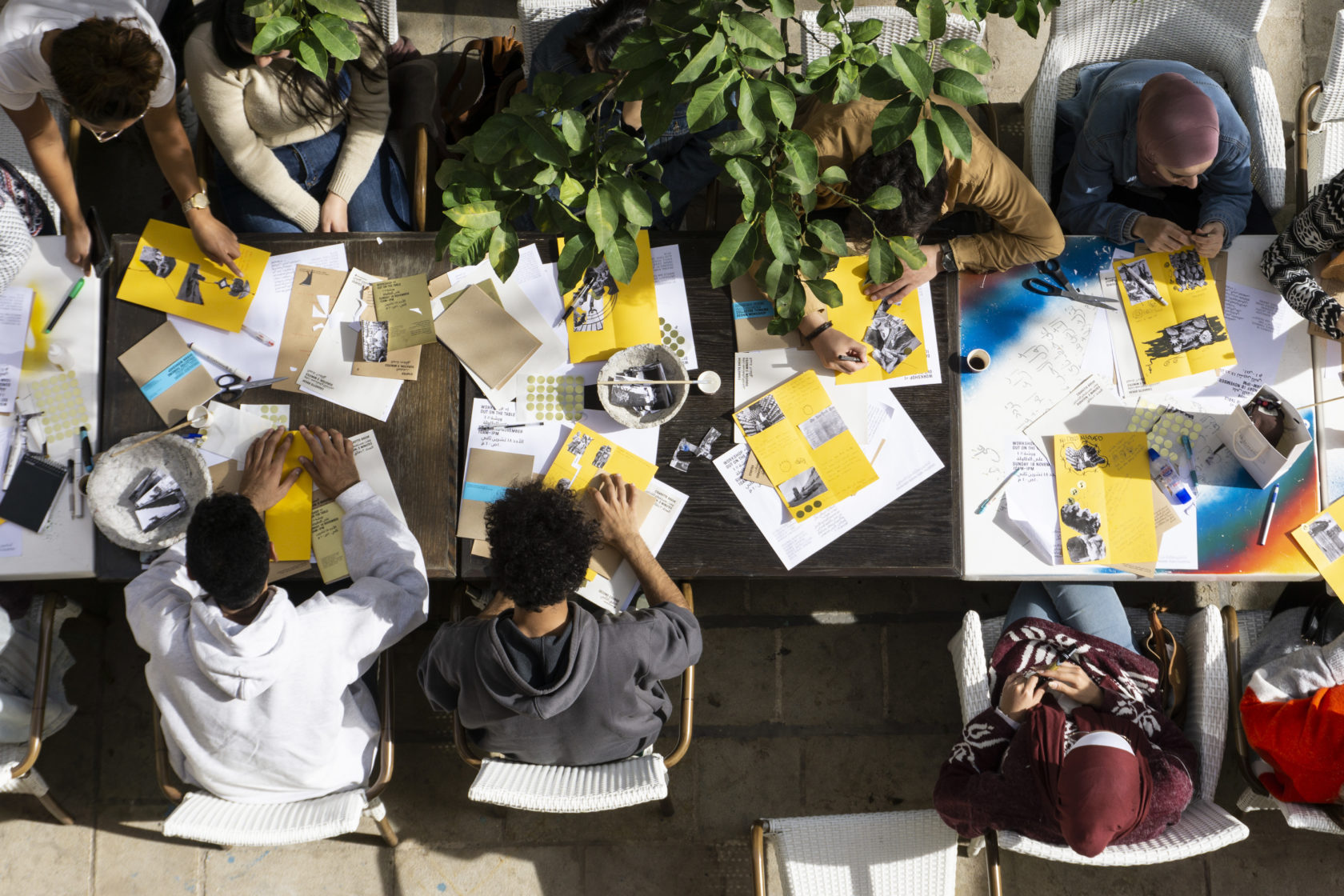
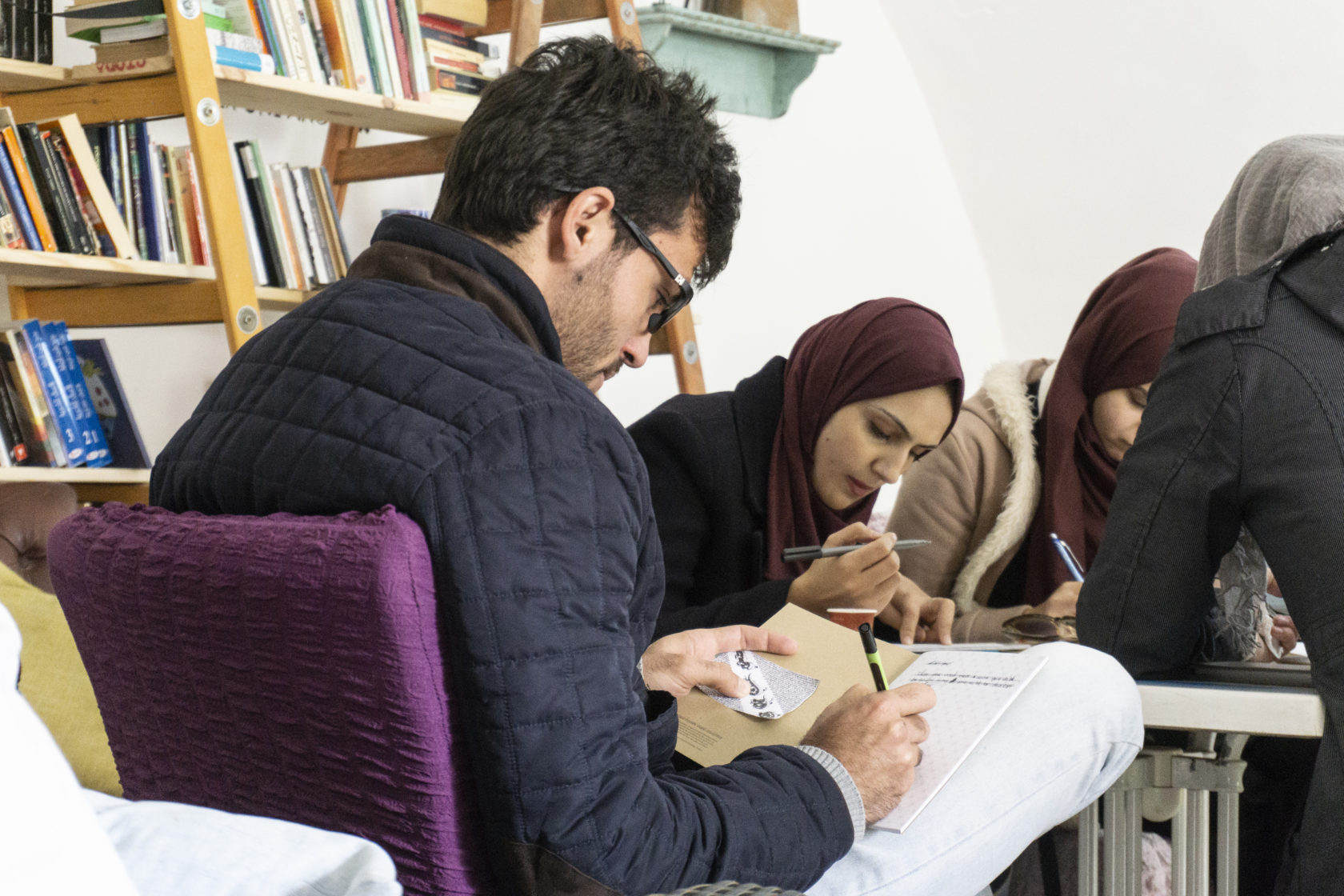
After the ice breaking exercise the participants began with the workshop ‘OUT ON THE TABLE’, a meal with no food. The participants were treated as guest of our dinner and we acted as the waiters, presenting a menu made up of little assignment instead of real dishes.

Instructions: The participants are invited to sit at their reserved place, the waiters then can start the service.

Starter (5 minutes): draw a portrait of the person sitting in front of you and point out what you like the most about that person. Don’t worry about your drawing skills.

Main course (10 minutes): choose 3 images max from the basket and show them to the person sitting in front of you. Ask the person to look at one or all the images and tell you something about their life in relation to the chosen picture’s. Then use the images to design a little poster about the things the person told you. You may use some words

Cigarette break (3 minutes)

Second (20 minutes): you have a list of questions: each person has the chance to ask a question to a person he/she choses. While the chosen person answers the question publicly, the other one will draw a line never lifting the marker from the sheet and trying to read the storyteller’s feelings. Rules: each person can ask a question and answer a question only once, each question can be asked only once and needs to be erased once it is asked.

Dessert (15 minutes): you have a collection of envelopes, each of them containing 3 poems. You have to choose 2 poems and give it to your table mate. Your table mate will reassemble the poem spontaneously/subconsciously, cutting/pasting and combining words onto the sheet, thereby creating a new poem about you since he/she has gotten to know you in the last hour.

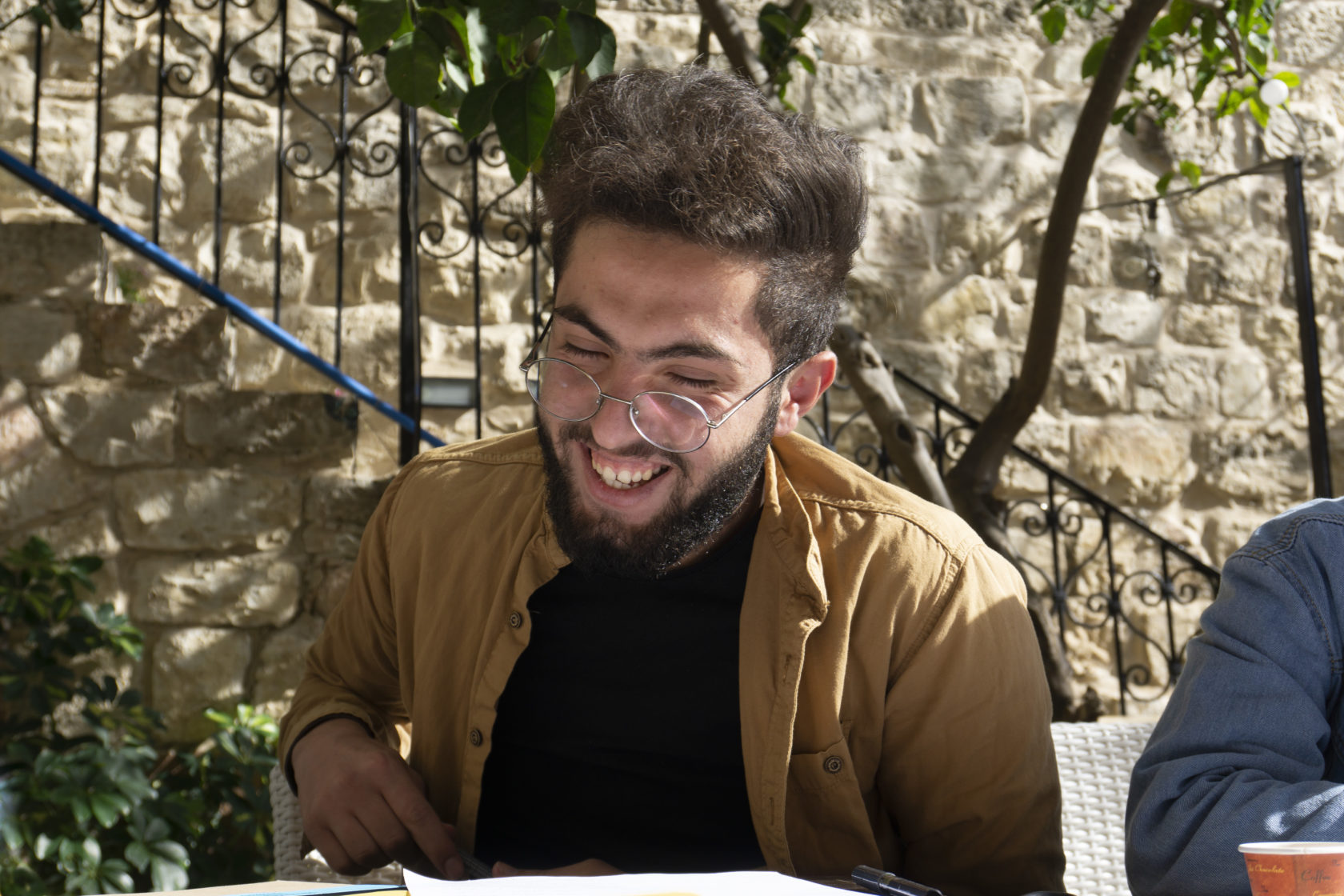
“It was not only ice-breaking between the participants, but a personal ice-breaker between me and myself.” ​
— Michael M. Jabareen

(Original workshop designed by Jacopo Undari, Caterina Birolo, Nicolò Oriani, Alice Figus at I.S.I.A. Urbino, 2018)


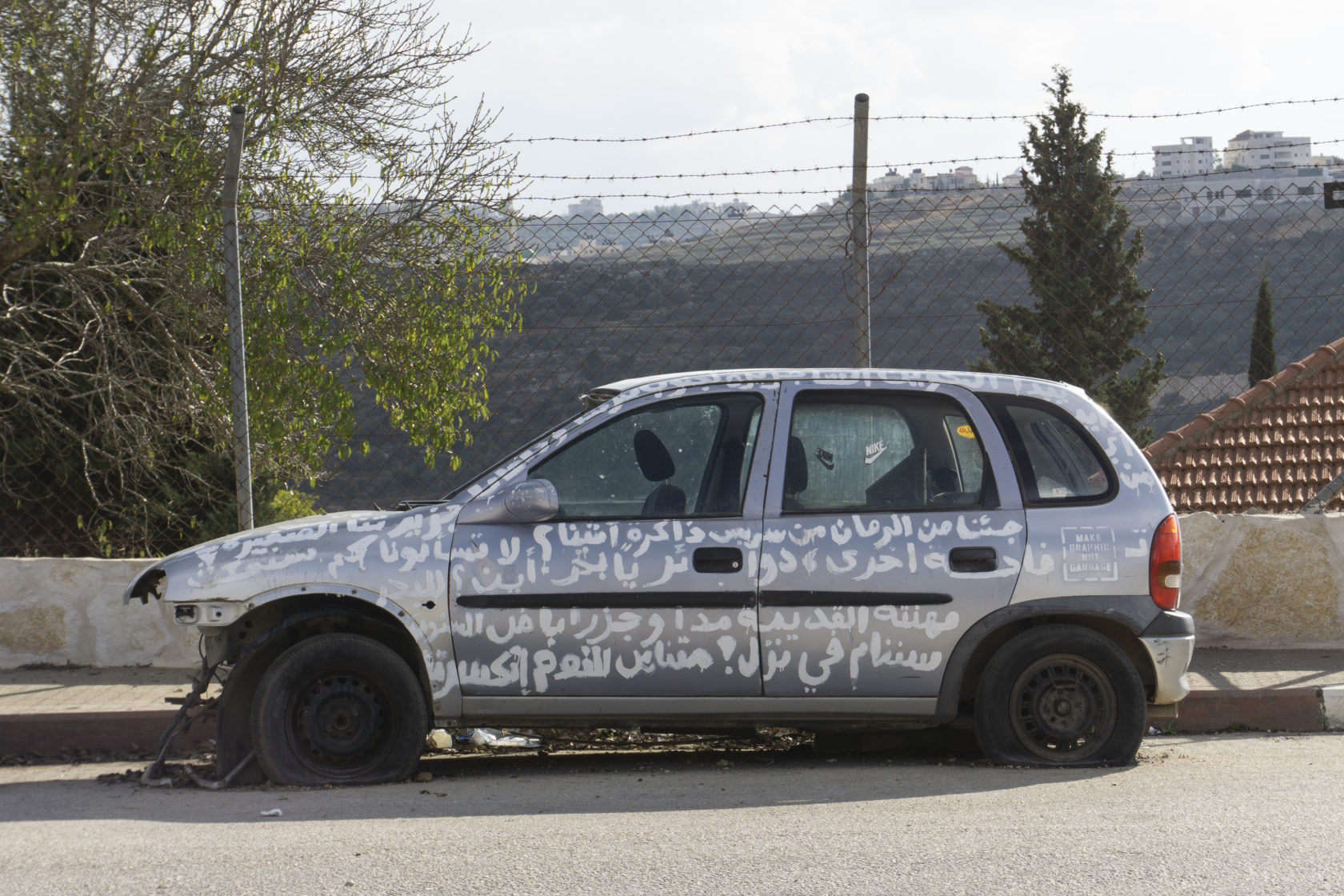
Make graphic not garbage

How can we change our surroundings and how can design contribute to the quality of life?

Sun. 25 Nov. 10am — 2pm

This workshop focused on the role of graphic design and how it can be used to influence the public space and how this will lead to the activation of a dialogue between the viewer and the context of the space, dealing with the problem of excessive garbage in Birzeit.

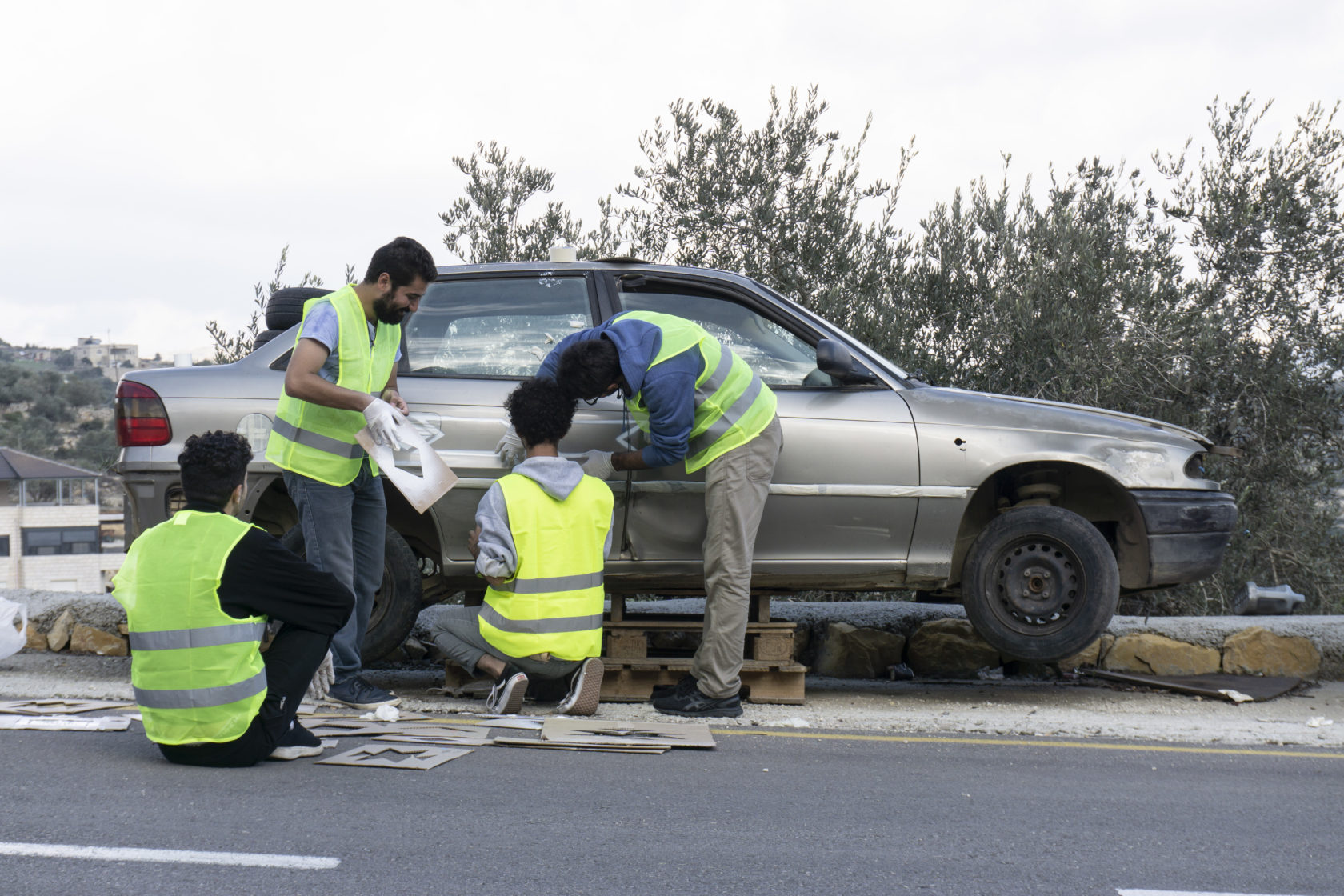
In our first weeks in Palestine we’ve got overwhelmed by the amount of garbage lying around on the streets. One day we noticed some abandoned cars on fascinating locations, one in front of a cemetery, one covered by plants and another one overlooking this beautiful Palestinian landscape. We decided we must do something with them. Later is became obvious to use them for our workshop.

The Municipality of Birzeit was also looking for ways to raise awareness about the excessive garbage issue in their program “Beautification of Birzeit” and agreed to sponsor our workshop. An important step was made to cooperate with designers to give a beneficial contribution to the local community and environment!

We got the approval from 3 car owners: Mohammad Hajeer, Fuad Samandar and Fares Asfour The car from Mohammad is located in front of a Christian cemetery. We choose to cover the car with poems by Mahmoud Darwish, who died ten years ago and was regarded as the Palestinian national poet.

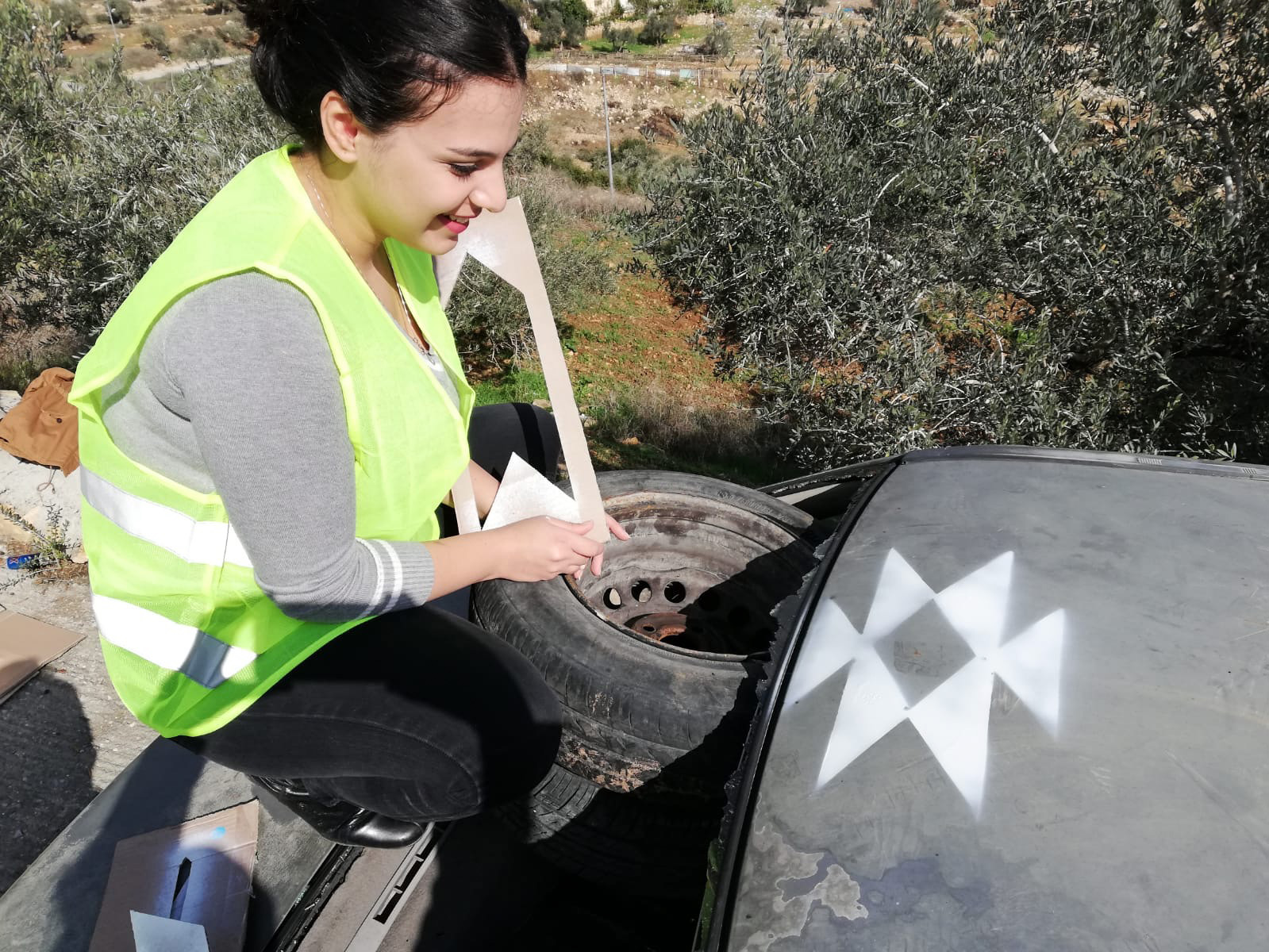
The car of Fouad was covered by plants and flowers an we wanted to emphasize the contrast between nature and car. The location of the third car is overlooking a panoramic view over the typical Palestinian landscape with hills of olive trees. We wanted to combine this typical Palestinian landscape with traditional Palestinian patterns.
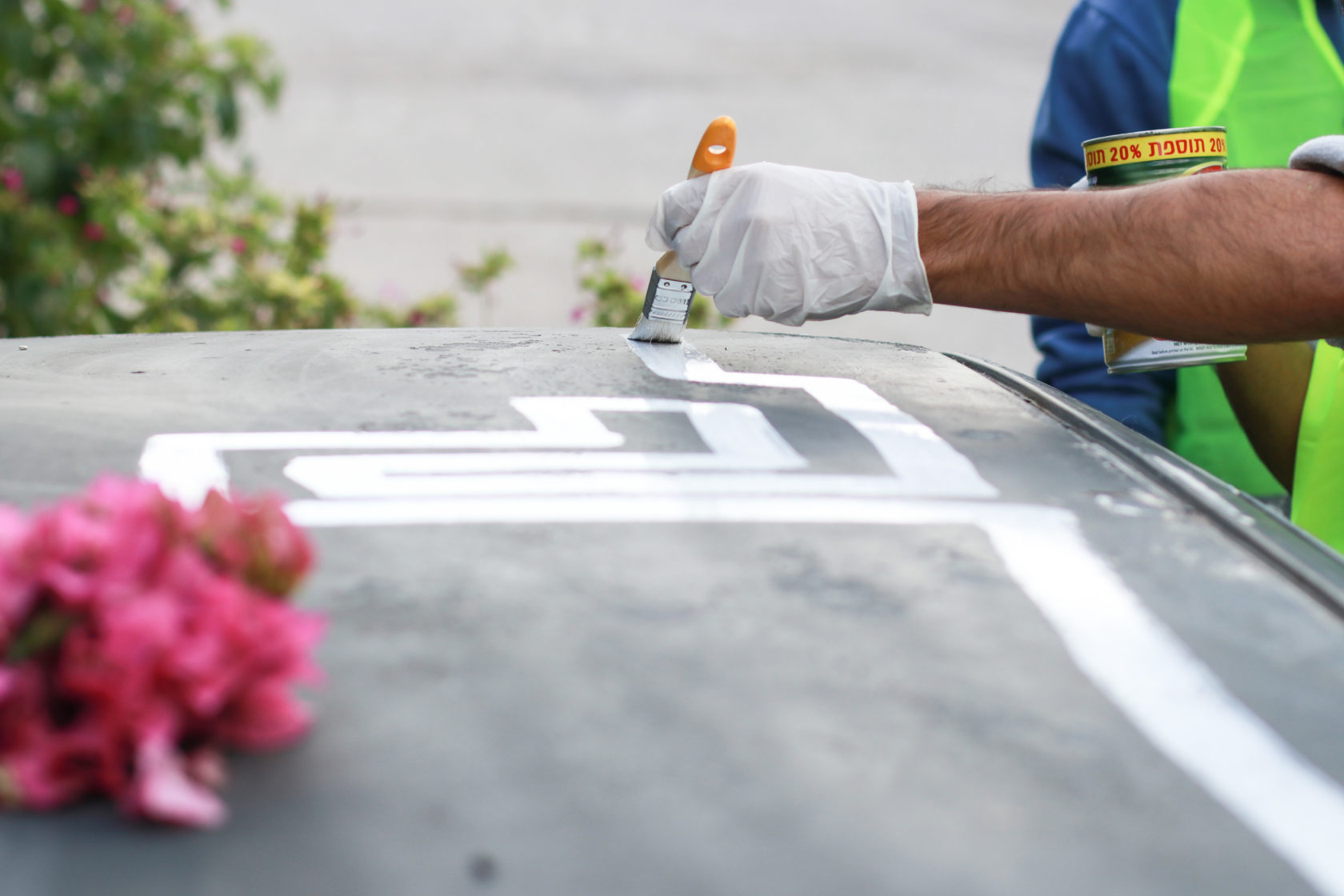
Since we had only 3 hours to paint 3 cars we divided the participants in 3 groups and gave them a workbook with specific rules to apply to each car.

Example of workbook

CAR #1
The participants will work together and write the poem on the car with a brush.
Following these rules:

First round: group A — Top of the car (Next groups are free to choose the side to paint)

First player: choose the side of the car where to start writing.
write the first three words from the poem you choose.

Next players: players take turns writing 3 words at the time.
Fill the complete side of car, write only on metal parts
avoid the windows, wheels and door handles.
If you finished the poem but you still have space on the chosen side continue with the next poem, until you finish the space.
If one side of the car is completed within the 60 min. stop.
After 60 min: Players move to Car #2

“I discovered I like Graphic Design” — Mirna Bannoura

(This workshop was designed by Mirelle Van Tulder (NL) and Tommaso Anceschi (ITA), Birzeit 2018.)


Today in Birzeit

Capturing the relevance of everyday reality, a historical town finds contemporary news

Sun. 2 Dec. 10am — 2pm


With this workshop we wanted to raise the awareness of our surroundings by finding the news ourselves, meeting people, asking them what happened in Birzeit, starting from the small reality that we live in everyday but that can still surprise us. For a day the participants acted as journalists and we as publishers, editing and printing Birzeit’s first newspaper, that one you are holding in your hand right now.

The workshop started with a half our long preparatory exercise ‘WRITING FROM SCRATCH’ where the participants were instructed to create an imaginary story from images and other visual content provided by us in order to stimulate their imagination, starting from a ordinary thing or nonsense details to create content that can catch the interest of the reader.

In ‘TODAY IN BIRZEIT’ the participants were paired in couples to gather news about Birzeit in order to create a collective newspaper. After a presentation from us about how design can be used as a tool to create a personal narrative about your fascinations the participants were given one hour to collect any type of news. After returning to Hosh Jalsa the participants were then given one hour to write the articles including visual materials.

“There is always a story to be told behind everything around!” — Kareem K. Khalid

(Exercise designed by Mirelle Van Tulder (NL) and Tommaso Anceschi (ITA), Birzeit 2018. Original workshop designed by Vito Battista, David Giovanatto, Alice Guarnieri, Valeria Pugliese at I.S.I.A. Urbino, 2018)


Map as identity

Explore Birzeit with new eyes and guide us through your town

Sun. 9 Dec. 10am — 2pm

In this workshop we explored the boundaries of mapping, adding a personal layer that is usually absent in the representation of a map. Through an exercise based on instinct, we proposed a design method that opens new possibilities to explore the relationships between spaces and personal experiences, allowing the participants to discover new layers of the reality they weren’t aware of, changing their perception of the environment and stimulating them to create a personal map of Birzeit.

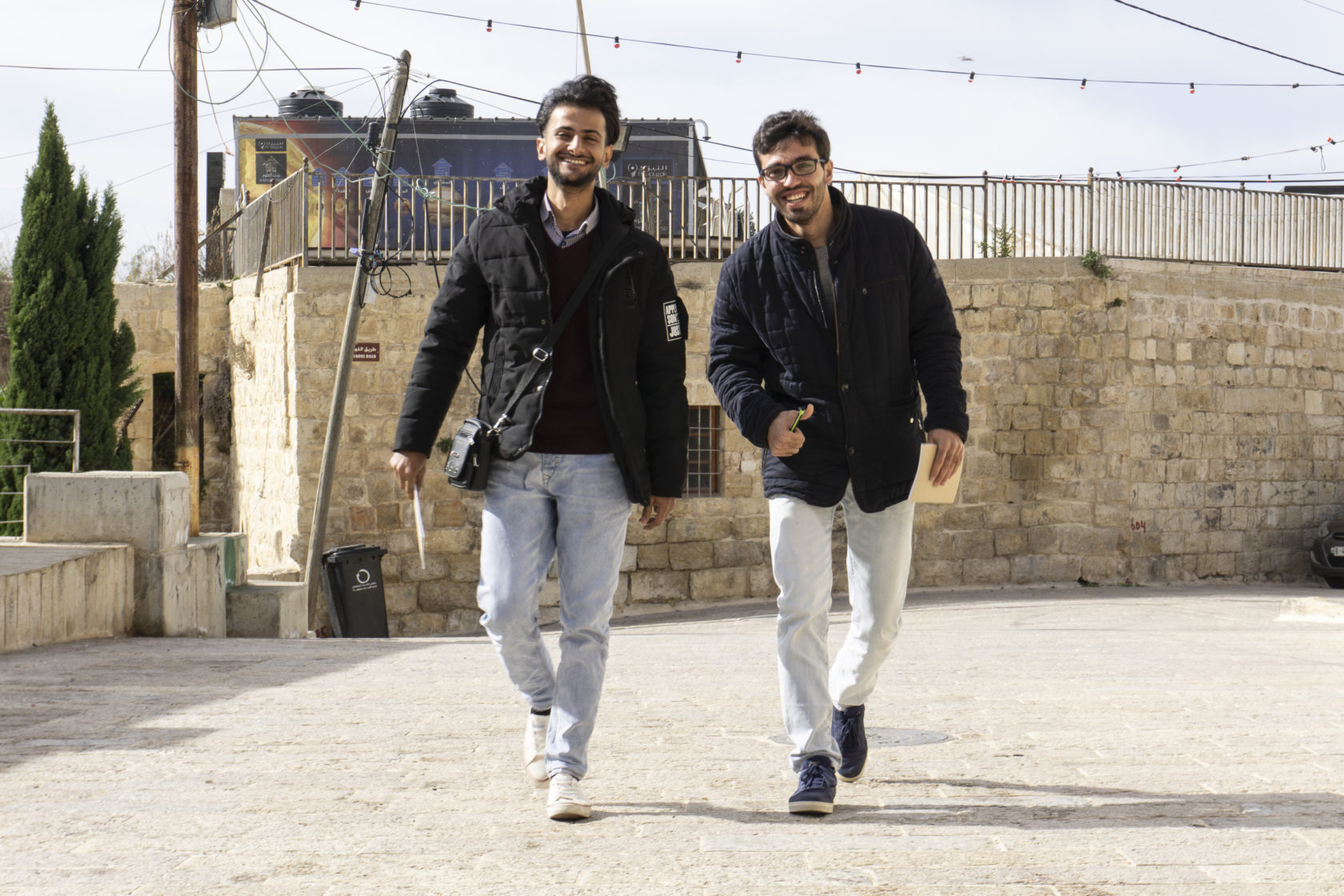
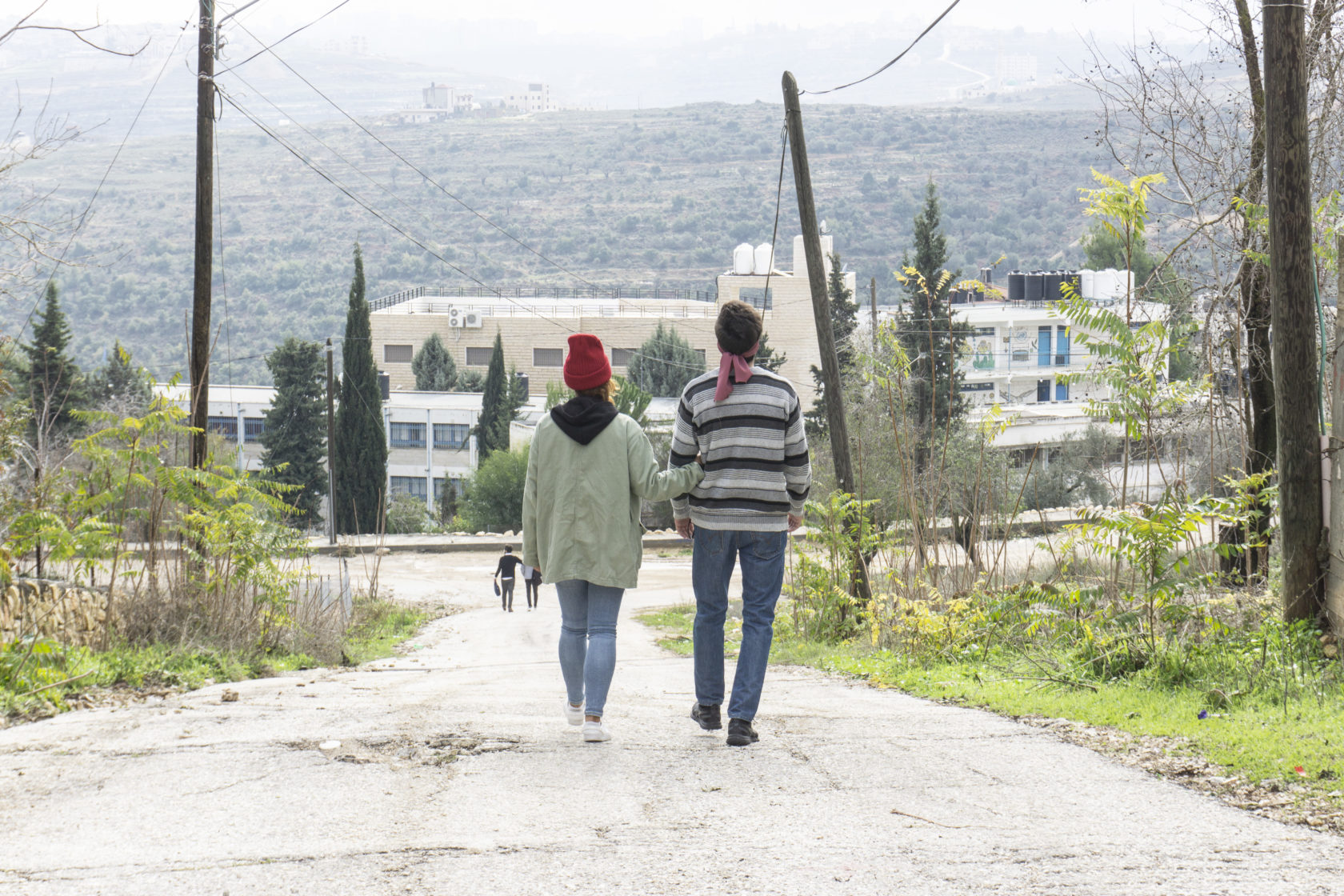
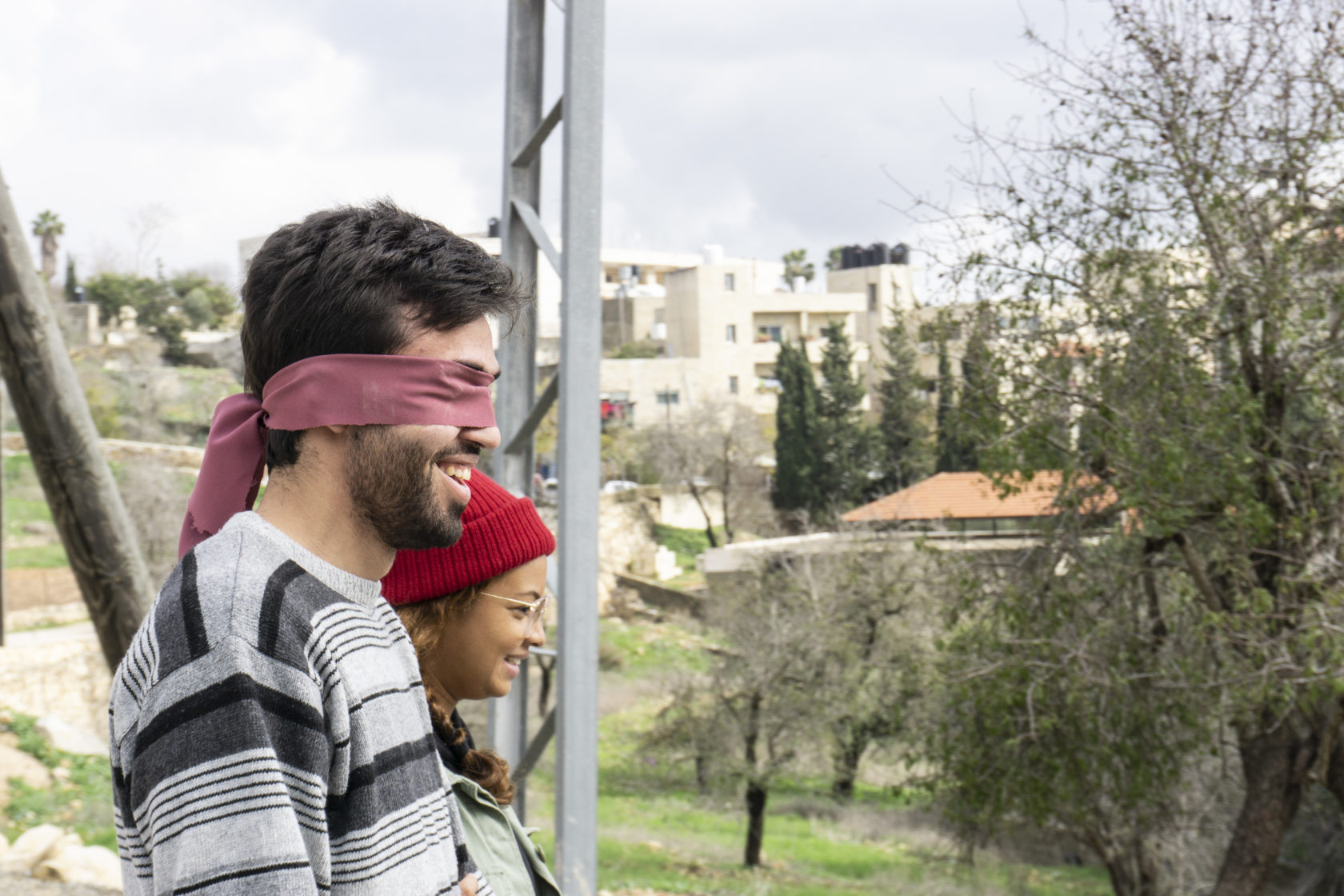
In the first part of the workshop ‘A BREAK FROM THE VISUAL’, a 40 min preparatory exercise, the participants explored Birzeit in a new way: Blindfolded! Paired in couples where one participant was blindfolded and the other one the guide, switching roles at half time.

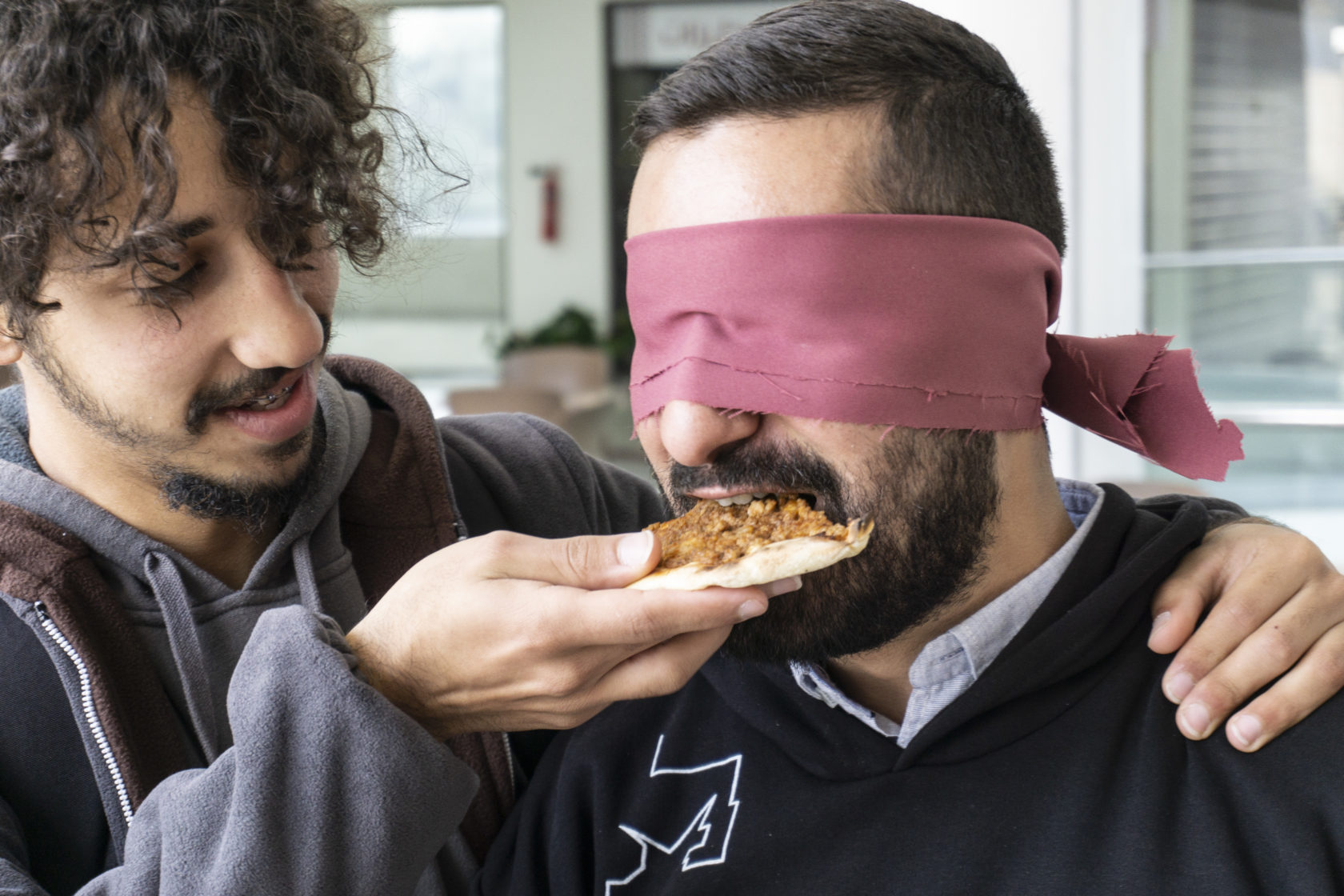
The experience of a temporary blindness and depending completely on someone else gives you a totally different perception of the environment, because of the natural activation of the other senses. At the end of the exercise we gathered at Birzeit Mall to look back and reflect on our experiences and discoveries about the environment that surrounds them everyday.

After the preparatory exercise the participants were ready to create their ‘MAP AS IDENTITY’. Each participants was given two hours to continue the exploration and create a personal map of the city which they can identify themselves with.

“My ears were working 100% better! It was amazing how sharp my senses were working” — Kareem K. Khalid

(This workshop was designed by Mirelle Van Tulder (NL) and Tommaso Anceschi (ITA), Birzeit 2018. Original exercise designed by Vito Battista, David Giovanatto, Alice Guarnieri, Valeria Pugliese at I.S.I.A. Urbino, 2018)

About Contact
facebook
How can design help counteract unjust realities Rug industry was an essential part of their lifestyle Define what is needed to enhance social, political and emancipatory impact Disarming is an approach that positions design as a cultural tool to oppose oppression Storytelling can be seen as a form of resilience and resistance Giving space to other knowledges through a design process Collective memories highlight relationships that allow a crossing and intermingling between differences. Exploring how design can be a vehicle for political resistance and solidarity Investing in conditions for a learning experience that focuses on economic, political and artistic independence How to present work online and reach the right audience? Extraordinary people working in areas where cultural expression faces challenges The effect of occupation on local design and how it restricts craft and product development What does it mean to be Palestinian today, and how to express that through locally made designs? Overviewing methods and exercises on oral tradition A place for knowledge exchange and community building in relation to contemporary design How can we reflect, integrate and interact with oral tradition? “The only thing that gets me going is sharing stories.” What roles do listening, remembering and going public play in the performance of oral history? Ticking needles, curious questions, whispering experiments, rhythmic embroideries and a ping pong of ideas Supporting students and designers on reviving their industries of handicrafts and innovative production Can we think of freedom beyond a logic of progress? Learning together while doing Creating space for artists to link their designs with local histories. A collaborative process with high emphasis on creativity, collaboration, making and quality We felt powerless and were struggling how to relate to this uncomfortable truth Crafts are a social act that relates to the sense of a place, how a community is built How can we envision a political horizon beyond the realities around us? "Today in Birzeit." What is ‘home’? When and where are we at home? How can we change our surroundings and how can design contribute to the quality of life? Collaboratively developing a series of thought provoking products Showing the disarming reverse side of the black-and-white image
About Contact
facebook
The design is an invitation to the world to look closely Catalyse a broader view and prevent people from covering Reminding us to bear a greater responsibility towards life The false accusation may have ended, but the occupation has not Caring for identity is as important as protecting health itself Aside from their cultural significance, these seeds carry options for our future survival Catalysing a more open view and preventing people from covering over their own eyes when it comes to Palestine The more time we spend together, and listen, the more stories are unveiled A rapidly growing but comparatively small niche of Palestinian science fiction Sublime landscapes, tranquil urban scenes, frolicking children; who would associate these images with Palestine? “Record! I am an Arab, and my identity card is number 50 000” The Hirbawi factory is one of the only remaining factories to manufacture keffiyeh locally Wearing this unique piece on becomes both a political statement This apron shows what is the one and only recipe for its artist Our roots hold strong and silently in the earth Our trees are like our children The shared taxi is part of the West Bank urban landscape There are no possibilities of movement, since all the squares on the board are occupied Erasing the Israeli checkpoints from the landscape and envisioning a Palestine free from the occupation “We love life whenever we can” An illegal apartheid wall, on a scale impossible to imagine A flourishing craft industry established during the time of Roman rule in Palestine The artist decided to declare the existence of a non-existent state Only two soap factories survive today The occupation also takes part of the body and mind Living under occupation is an attack on people’s mental strength Most importantly they had the “Made in Palestine” tag on them The pattern of this keffiyeh is found and copied in Palestine Shoes have a long tradition as symbols of opposition and defiance You begin to realise that you have become yet another victim of the spell “I felt confused, between humiliation and joy" The birds’ freedom of flight and movement is in sharp contrast Behind each of these numbers there is a personal story The plates connect different locations in the world to Gaza The embroidery on this scarf is based on a traditional scarf in Gaza Travelling with a Palestinian Authority passport is still subject to many limitations Is it even possible to be neutral in situations of oppression? Why do we too rarely address the contemporary reality of this city and region Talking about Palestinian football is rare, although there is a national team This tailor-made garment is fragile Why can’t we be as generous as nature itself?
About Contact
facebook
The design is an invitation to the world to look closely Catalyse a broader view and prevent people from covering Reminding us to bear a greater responsibility towards life The false accusation may have ended, but the occupation has not Caring for identity is as important as protecting health itself Aside from their cultural significance, these seeds carry options for our future survival Catalysing a more open view and preventing people from covering over their own eyes when it comes to Palestine The more time we spend together, and listen, the more stories are unveiled A rapidly growing but comparatively small niche of Palestinian science fiction Sublime landscapes, tranquil urban scenes, frolicking children; who would associate these images with Palestine? “Record! I am an Arab, and my identity card is number 50 000” The Hirbawi factory is one of the only remaining factories to manufacture keffiyeh locally Wearing this unique piece on becomes both a political statement This apron shows what is the one and only recipe for its artist Our roots hold strong and silently in the earth Our trees are like our children The shared taxi is part of the West Bank urban landscape There are no possibilities of movement, since all the squares on the board are occupied Erasing the Israeli checkpoints from the landscape and envisioning a Palestine free from the occupation “We love life whenever we can” An illegal apartheid wall, on a scale impossible to imagine A flourishing craft industry established during the time of Roman rule in Palestine The artist decided to declare the existence of a non-existent state Only two soap factories survive today The occupation also takes part of the body and mind Living under occupation is an attack on people’s mental strength Most importantly they had the “Made in Palestine” tag on them The pattern of this keffiyeh is found and copied in Palestine Shoes have a long tradition as symbols of opposition and defiance You begin to realise that you have become yet another victim of the spell “I felt confused, between humiliation and joy" The birds’ freedom of flight and movement is in sharp contrast Behind each of these numbers there is a personal story The plates connect different locations in the world to Gaza The embroidery on this scarf is based on a traditional scarf in Gaza Travelling with a Palestinian Authority passport is still subject to many limitations Is it even possible to be neutral in situations of oppression? Why do we too rarely address the contemporary reality of this city and region Talking about Palestinian football is rare, although there is a national team This tailor-made garment is fragile Why can’t we be as generous as nature itself?
×