base.php
Products
تصميماتنا
Disarming Design
Stories
حكايات
  • 0
Disarming Design from Palestine
تصاميم مجرّدة من فلسطين
  • Products
    تصميماتنا
  • Stories
    حكايات
  • About
  • Contact
    Thought-provoking designs
    تصاميم لتحفيز الفكر
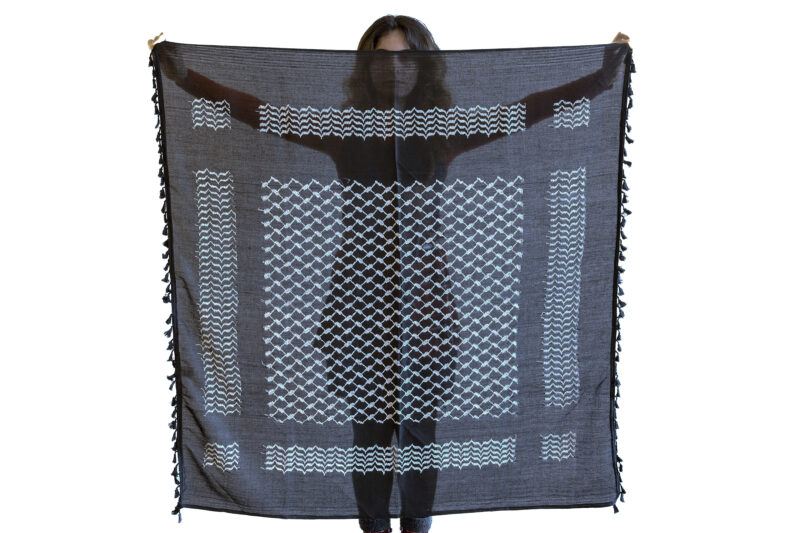
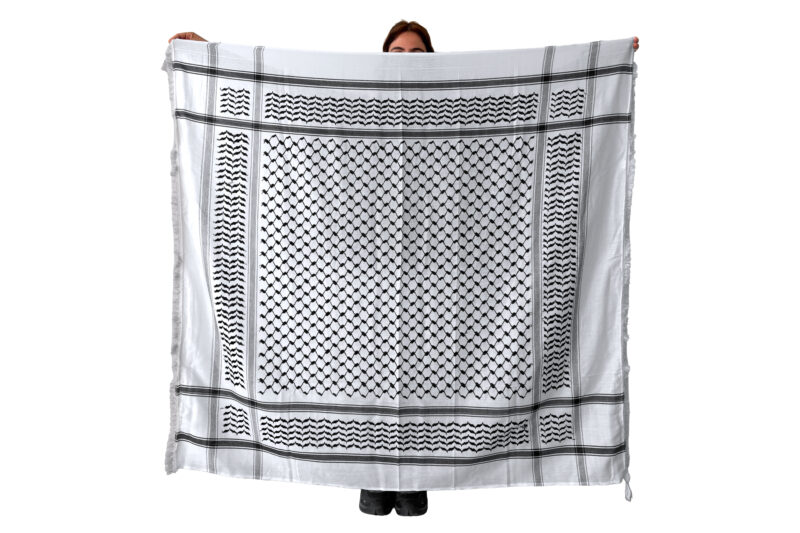
  • White on black keffiyeh

    White on black keffiyeh

    أبيض على كوفية سوداء
    €34,95
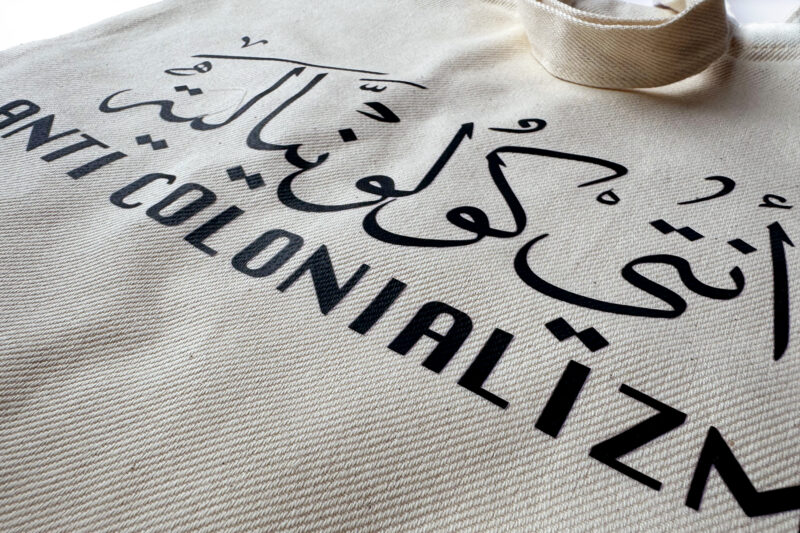
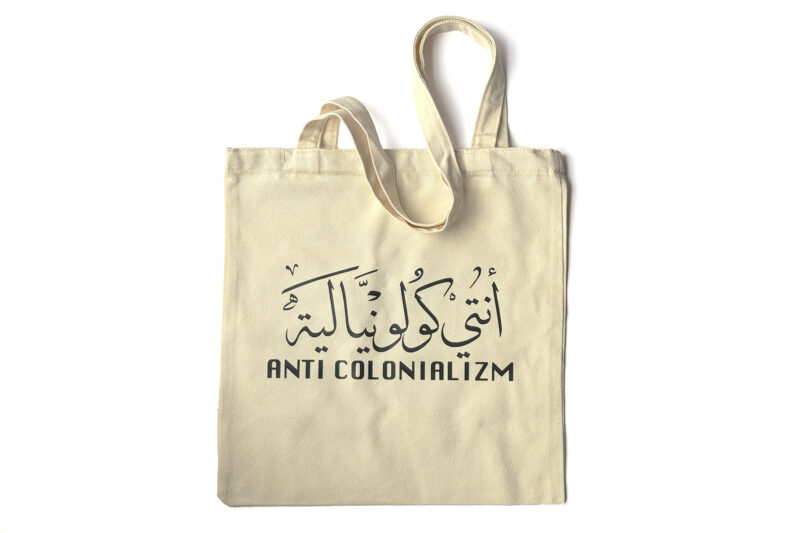
  • Anti Colonializm

    Anti Colonializm

    انتي كولونيالية
    €19,95
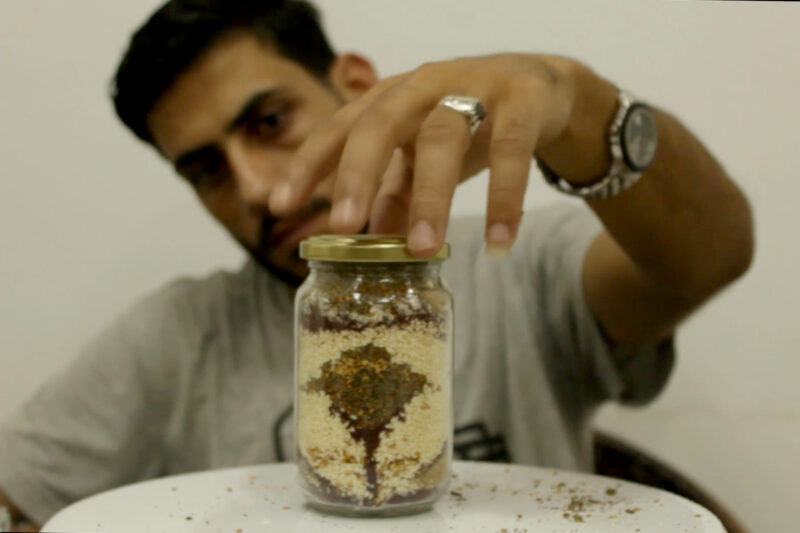
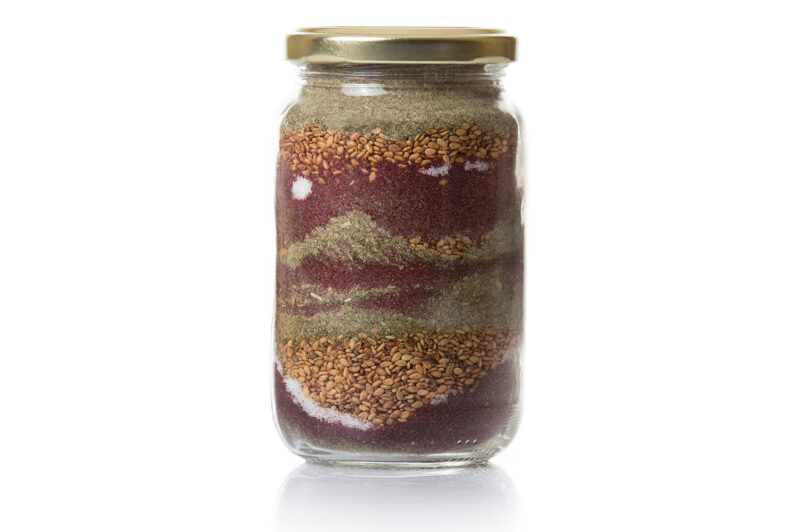
  • The meaning of home

    The meaning of home

    معنى البيت
    €4,95 – €17,95Price range: €4,95 through €17,95
  • Leaf Behind Earring

    Leaf behind earrings

    أقراط الأذن "أترُك خلفَك"
    €64,95
  • Tears

    Tears

    دموع
    €8,95
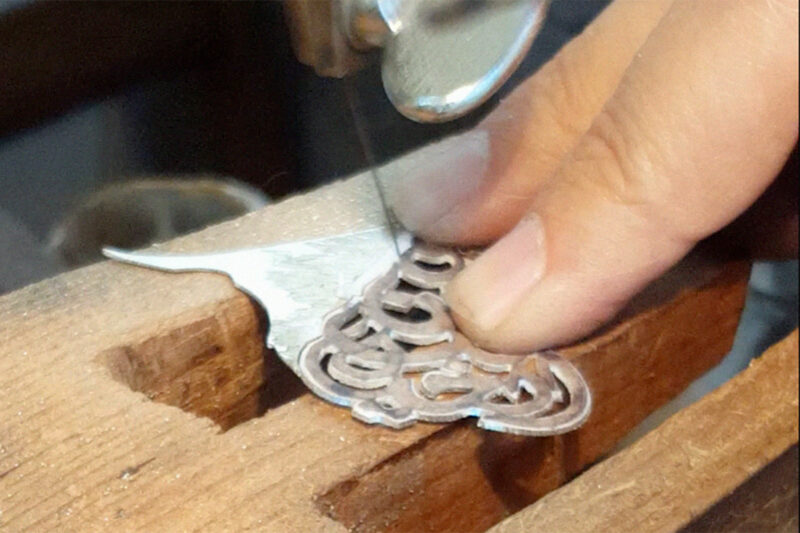
  • Silver Solidarity

    Silver Solidarity

    التضامن الفضي
    €225,00
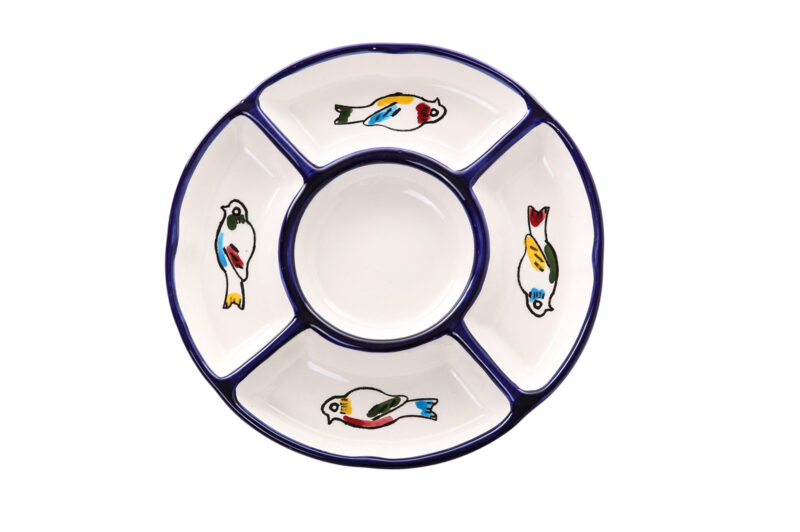
  • Bird plate

    Bird plate

    صحن الطّيور
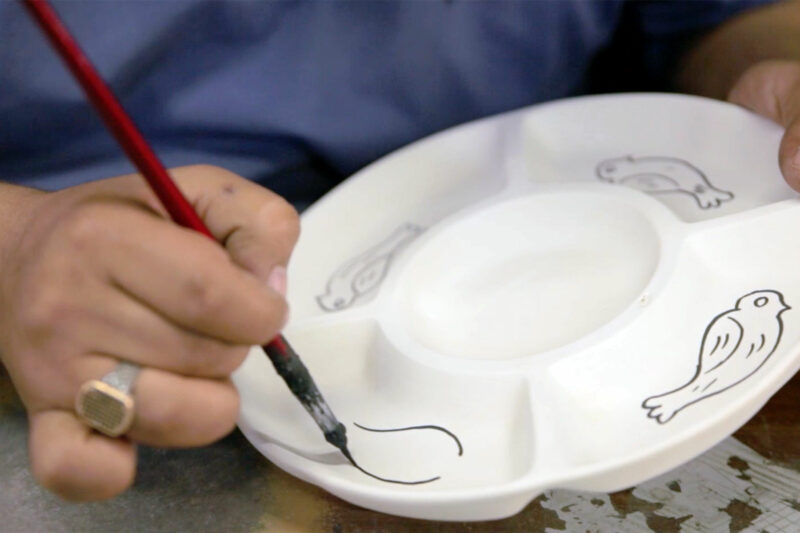
    €34,95
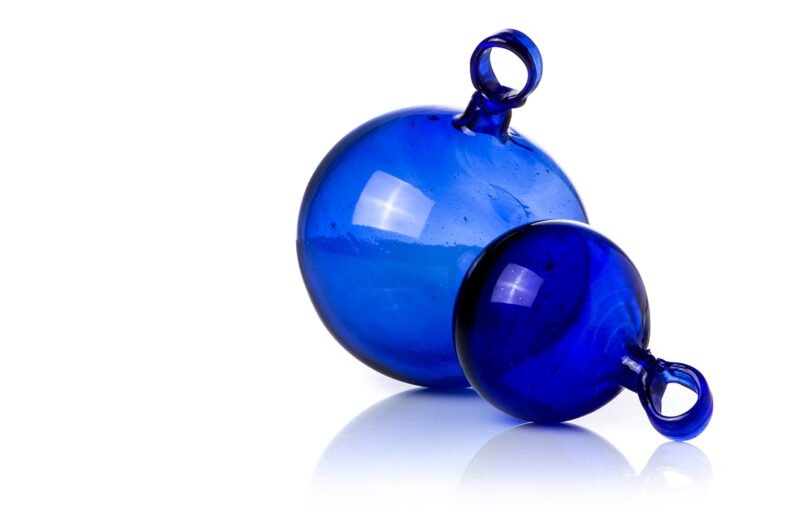
  • Christmas baubles from Bethlehem

    Christmas baubles from Bethlehem

    كرات عيد الميلاد من بيت لحم
    €9,95 – €12,95Price range: €9,95 through €12,95
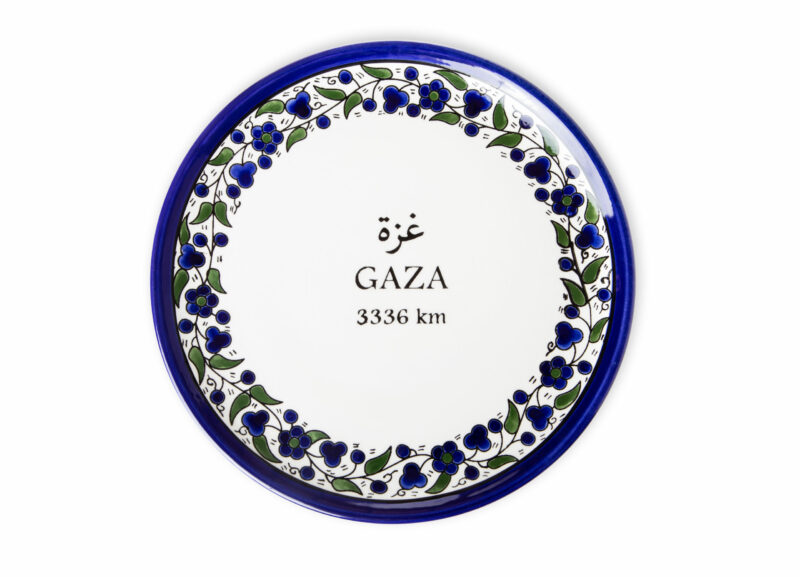
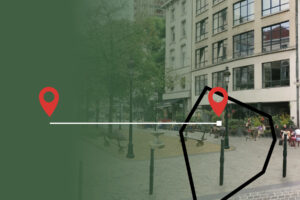
  • Distance to Gaza

    Distance to Gaza

    المسافة إلى غزة
    €29,95
  • Keffiyeh bandage

    Keffiyeh bandage

    ضمّادة الكوفيّة
    €7,95
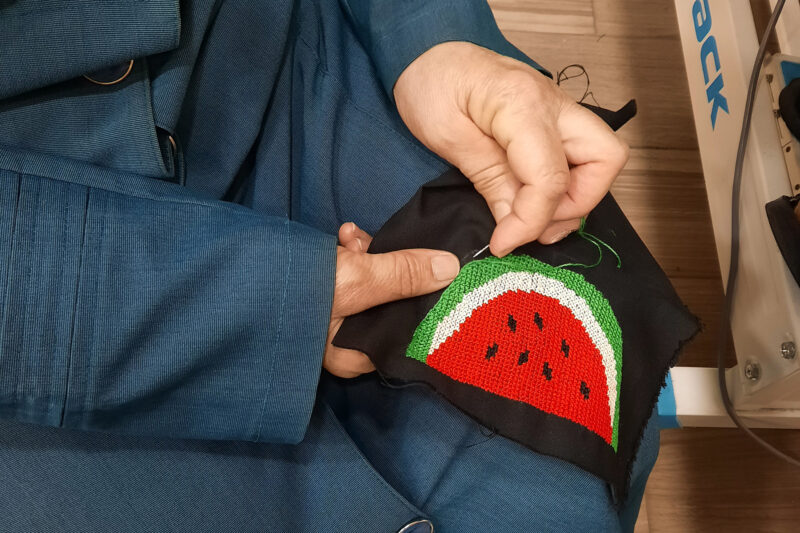
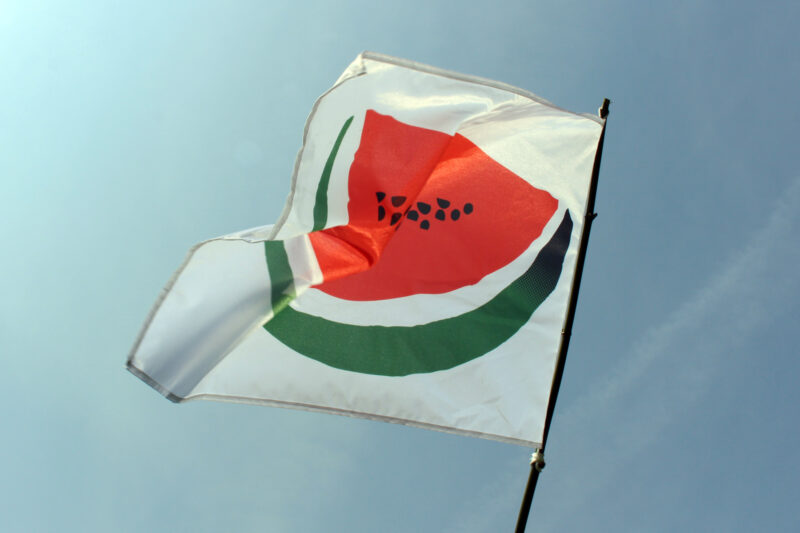
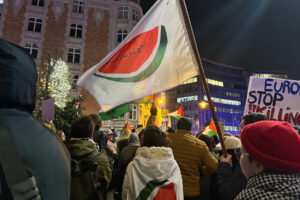
  • Watermelon flag

    Watermelon flag

    علم البطّيخ
    €19,95 – €79,95Price range: €19,95 through €79,95
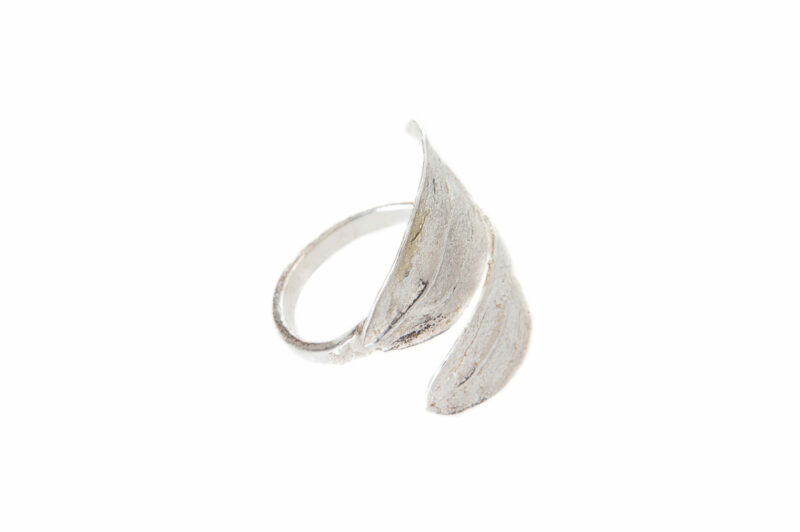
  • Leaf Behind Ring

    Leaf behind ring

    خاتم "أترُك خَلفك"
    €64,95
  • ‘I am an Arab’ t-shirt

    ‘I am an Arab’ t-shirt

    قميص "سجِّل أنا عربي"
    €20,00 – €25,00Price range: €20,00 through €25,00
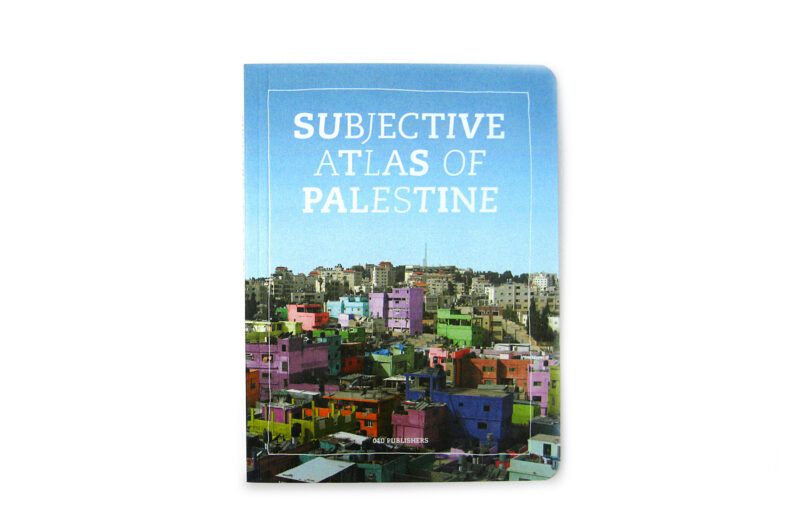
  • Subjective atlas of Palestine

    Subjective atlas of Palestine

    أطلس فلسطين الذاتي
    €24,50
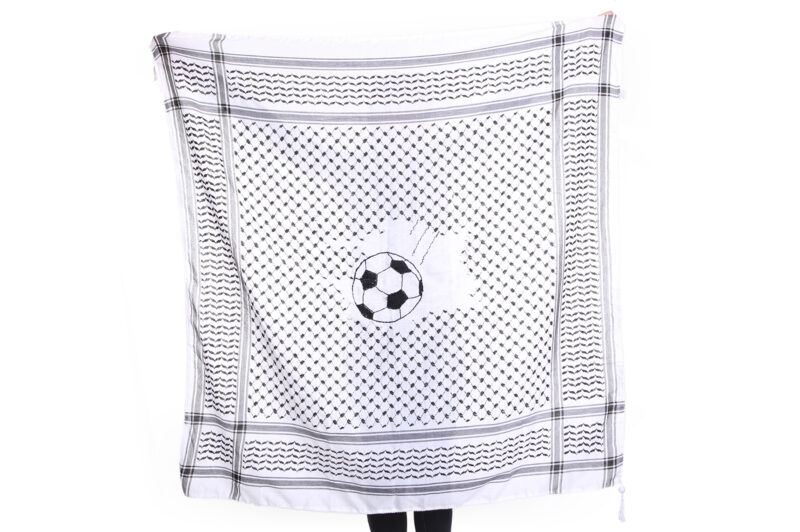
  • Classic keffiyeh

    Classic keffiyeh

    أسود على كوفية بيضاء
    €34,95
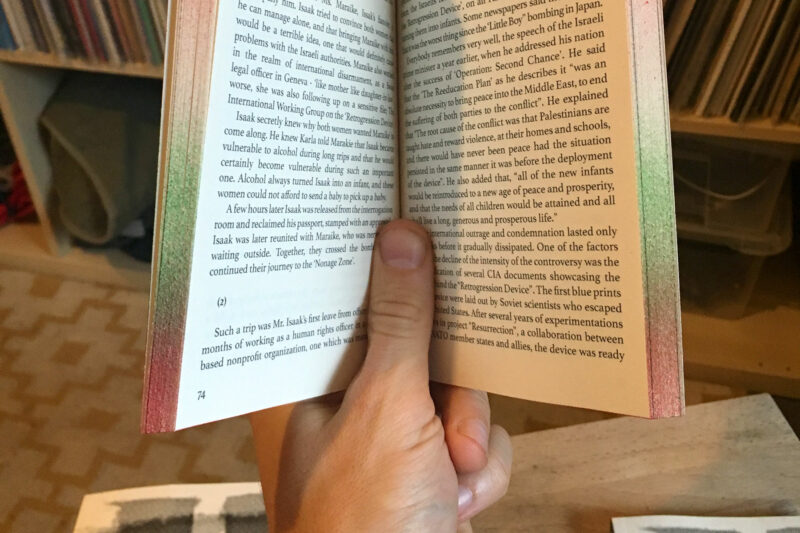
  • Reworlding Ramallah

    Reworlding Ramallah

    إعادة قولبة العالم : رام الله
    €12,50
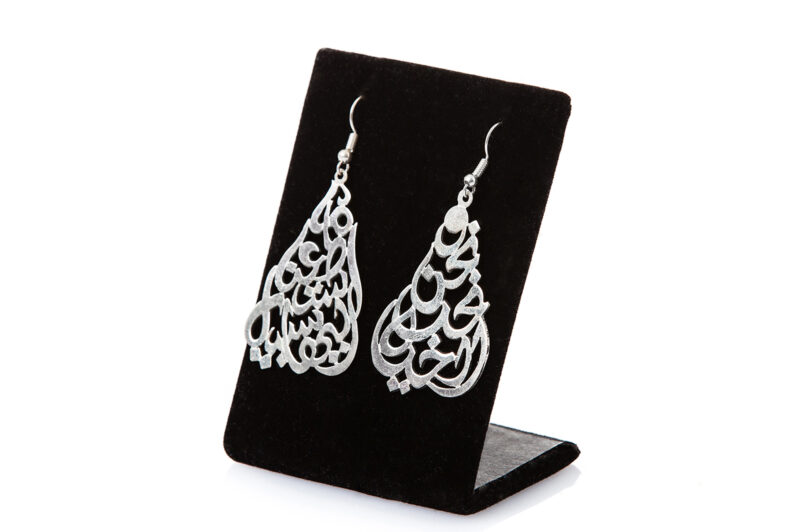
  • Gaza earrings 'Love for life'

    Gaza earrings ‘Love for life’

    أقراط غزة "نُحِبُّ الحياة"
    €165,00
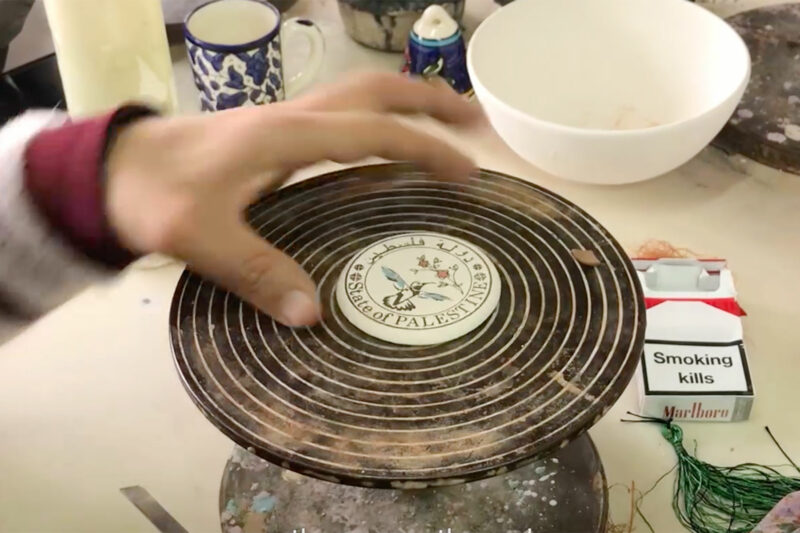
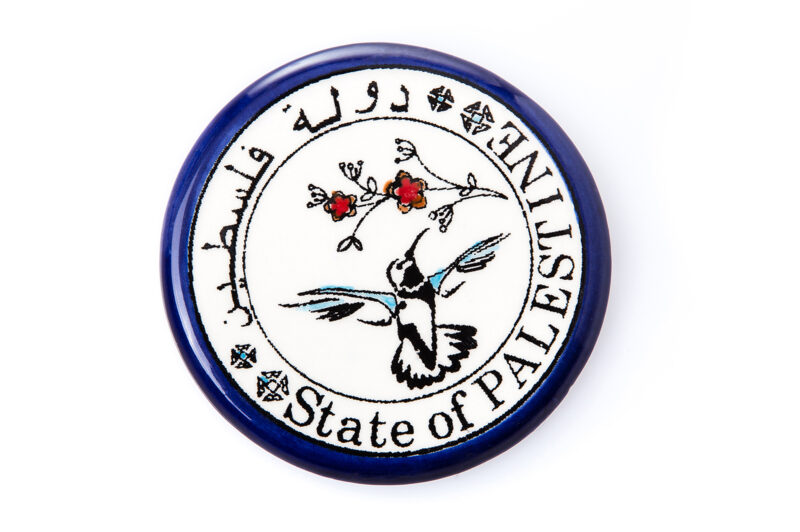
  • State of Palestine

    State of Palestine

    دولة فلسطين
    €11,95
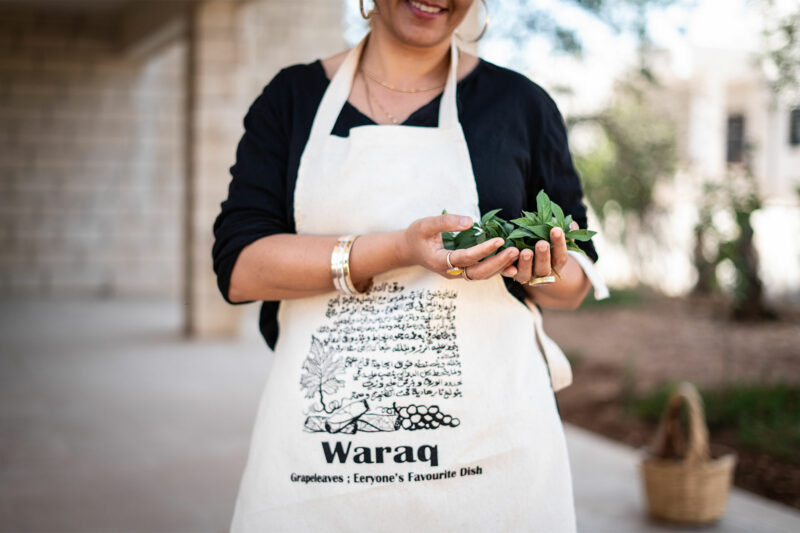
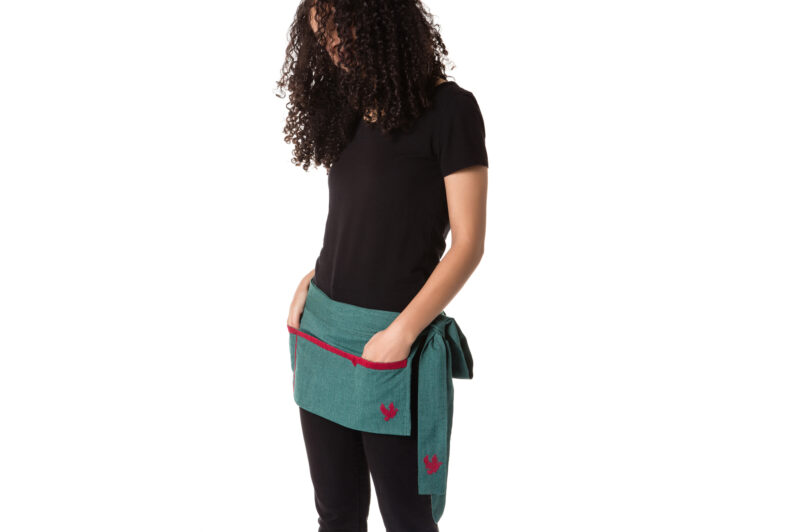
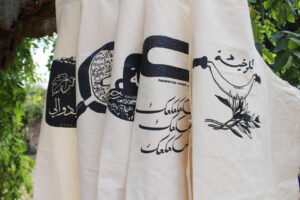
  • Qastina apron

    Qastina apron

    مريلة قسطينة
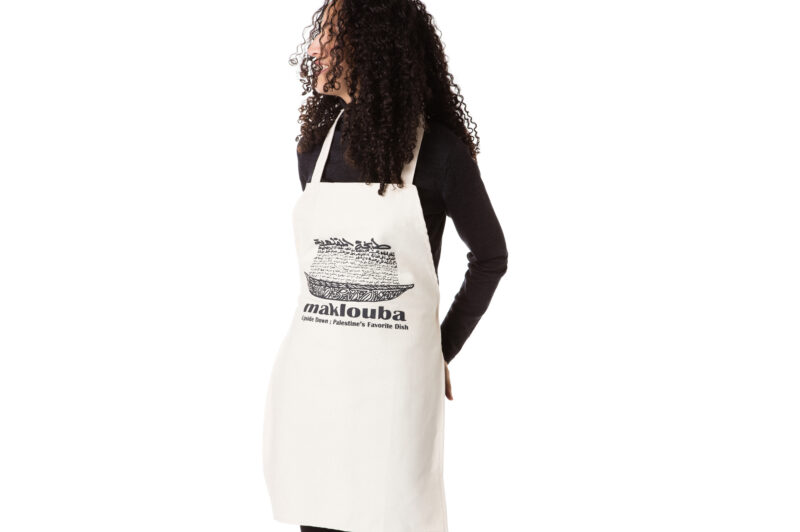
    €39,95
  • White on white keffiyeh

    White on white keffiyeh

    أبيض على كوفيّة بيضاء
    €34,95
  • Beyond First Impressions

    Beyond first impressions

    ما بعد الإنطباع الأوّل
    €29,95
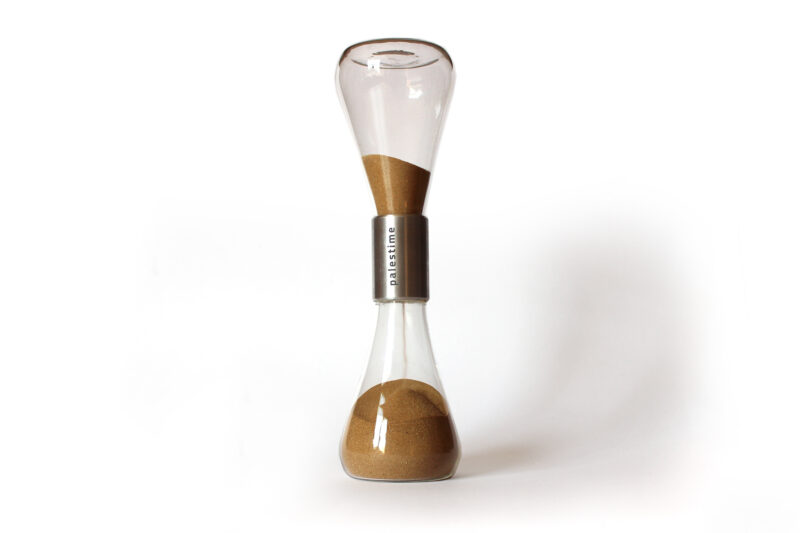
  • Palestime

    Palestime

    فلستايم
    €159,00
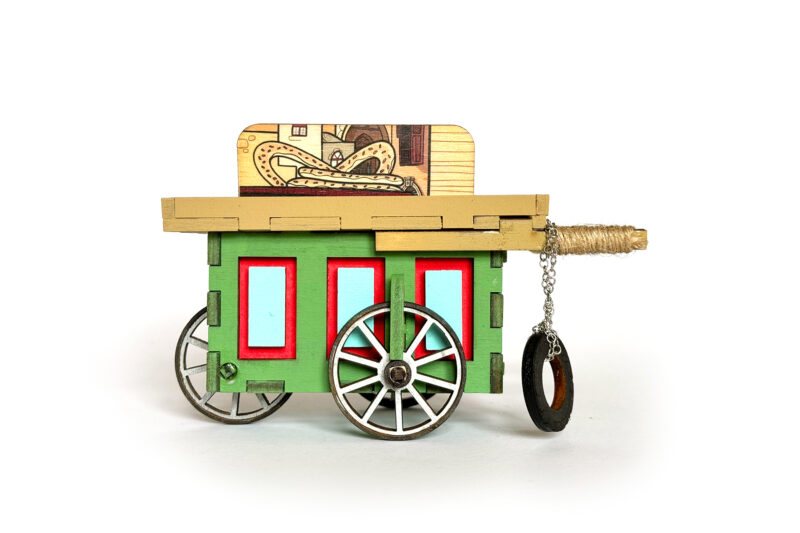
  • Basta

    Basta

    بسطة
    €39,50
  • Measuring inequality

    Measuring inequality

    قياس عدم المساواة
    €49,95
Stories
حكايات
Calender
التقويم Various locations, 2026
  • Sharing
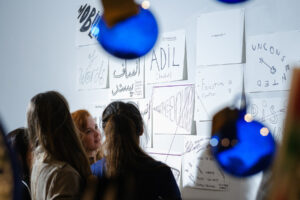
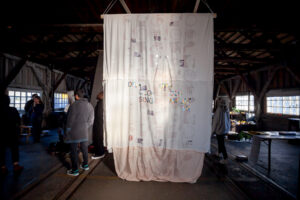
The absence of the meaning of home
غياب معنى البيت DDFP Gallery, Spring 2026
  • Sharing
The meaning of home
معنى البيت On-line, 2025–2026
  • Learning
Finding our place
إيجاد مكاننا A year in retrospect, 2025
  • Sharing
Movement in Practice
الحركة في الممارسة Brussels, Winter 2026
  • Sharing
Things that don't sell
الأشياء التي لا تُباع Antwerp, december 2024
  • Sharing
The only lexicon left
المعجم الوحيد المتبقي Kunsthal Gent, 22 June 2024
  • Learning
On artist-run solidarity platforms
على منصات التضامن التي يديرها الفنانون Kunsthal Gent, 21-22 March, 2024
  • Learning
Leaving 2023 in grief
مغادرة عام 2023 في الحزن A year in retrospect, 2023
  • Sharing
Ways to translate solidarity to action
طرق ترجمة التضامن إلى عمل 20 October 2023
  • Learning
Infrastructures for solidarity through design
مقومات للتضامن من خلال التصميم Pianofabriek, Brussels, 5-6 October 2023
  • Learning
Disarming Design ?
تصاميم مجرّدة Forum+, February 2023
  • Sharing
Qastina is to root myself again
قسطينة يعيدني لجذوري من جديد Bethlehem-Brussels, 15 February 2023
  • Making
2022, a year to solidify
عام 2022 ، سنة يجب ترسيخها Palestine, Belgium and beyond, 2022
  • Sharing
From Checkpoint bag to Blacksac
من شنطة الحاجز إلى البلاك ساك Al Quds, 2015 – Al Khalil, 2022
  • Making
2021, a year in retrospect
٢٠٢١ سنة مفصليّة January 2022
  • Sharing
Call for solidarity
نداء للتضامن Until liberation
  • Sharing
Masters programme Disarming design
ماجستير معهد ساندبرج Sandberg Instituut Amsterdam, 2020 — 2022
  • Learning
Design for Disarming times
التصميم لأوقاتنا المجرِّدة Onomatopee publishers, 2020
  • Sharing
Life of the Palestinian rug
ورشة البساط الفلسطيني Birzeit, September - October 2020
  • Learning
Facemask from Gaza
قناع الوجه من غزة August 2020
  • Making
Hosh Jalsa
حوش جلسة Birzeit, 2018 – 2020
  • Learning
Marketing workshop
ورشة التسويق Birzeit, January – February 2020
  • Learning
Bags Prince Claus Awards
حقائب صندوق الأمير كلوز Amsterdam, 4 December 2019
  • Making
Stories
حكايات

Reaching beyond borders
تجاوز الحدود

    Tags:
  • Learning
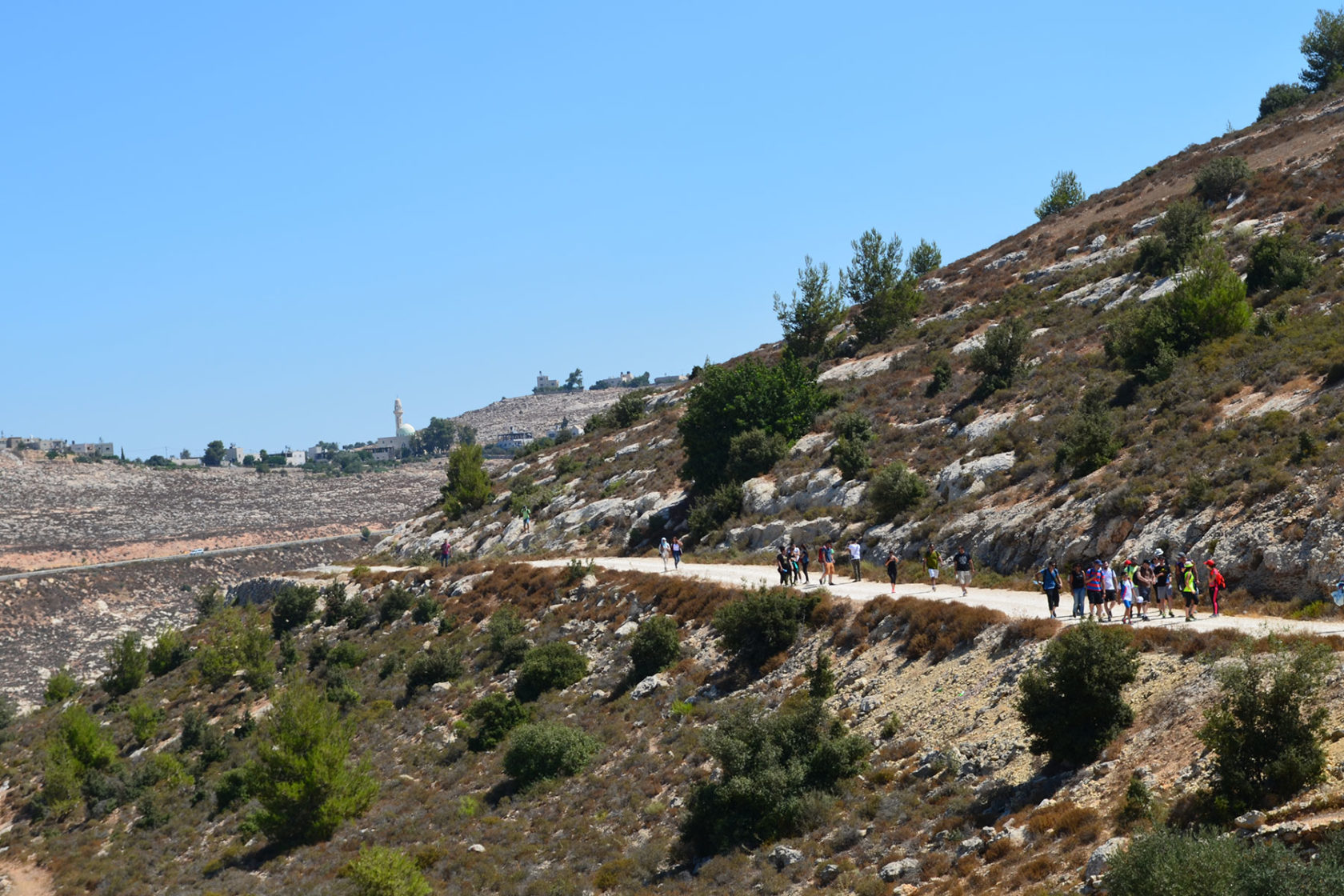
Hiking trip in Battir (Bethlehem) as part of the collaborative design workshop.

Bringing Palestinian art and design—and the stories behind them—to the world
January, 2017
For the magazine 'Works that Work' Belgian curator and author Kurt Vanbelleghem interviewed people behind our project to hear their perspectives. He analyses the the current state of the project, how it got started and where people are at this moment.

The occupation of Palestine is easily one of the most intractable and divisive issues of our time, one that has attracted the attention and participation of nearly the entire world. With so many stridently voiced opinions and so much bloodshed, not only in and around the disputed territories, but indeed across the globe, it can be easy to forget the human faces behind the headlines, those whose everyday life is overshadowed by the hatred and violence.

Disarming Design from Palestine is a contemporary design label producing artefacts that bear witness to what it means to live in Palestine in these days. The label strives to narrate the human experience through its products. In the words of visual artist and graphic designer Mohamed Abusal, who coordinates the group’s activities in Gaza, ‘I incorporate my political views within the objects I make, and through the Disarming Design platform they are being promoted and sold in the rest of the world so people can hear us from the other side of the wall.’

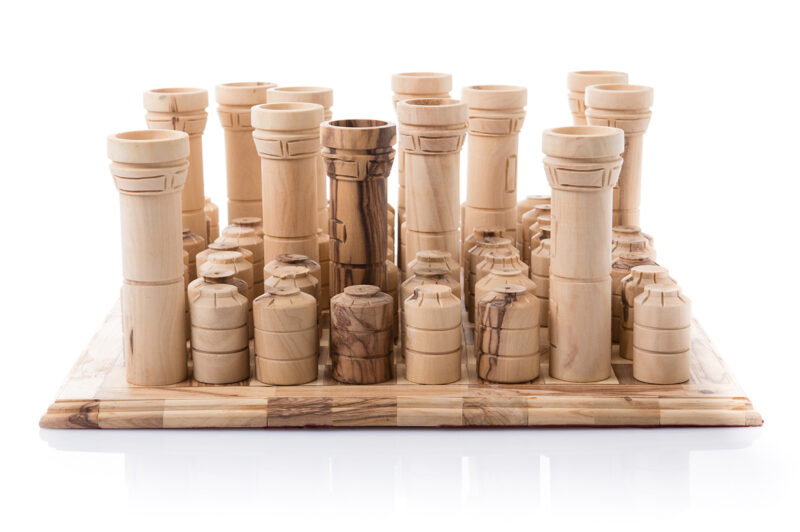
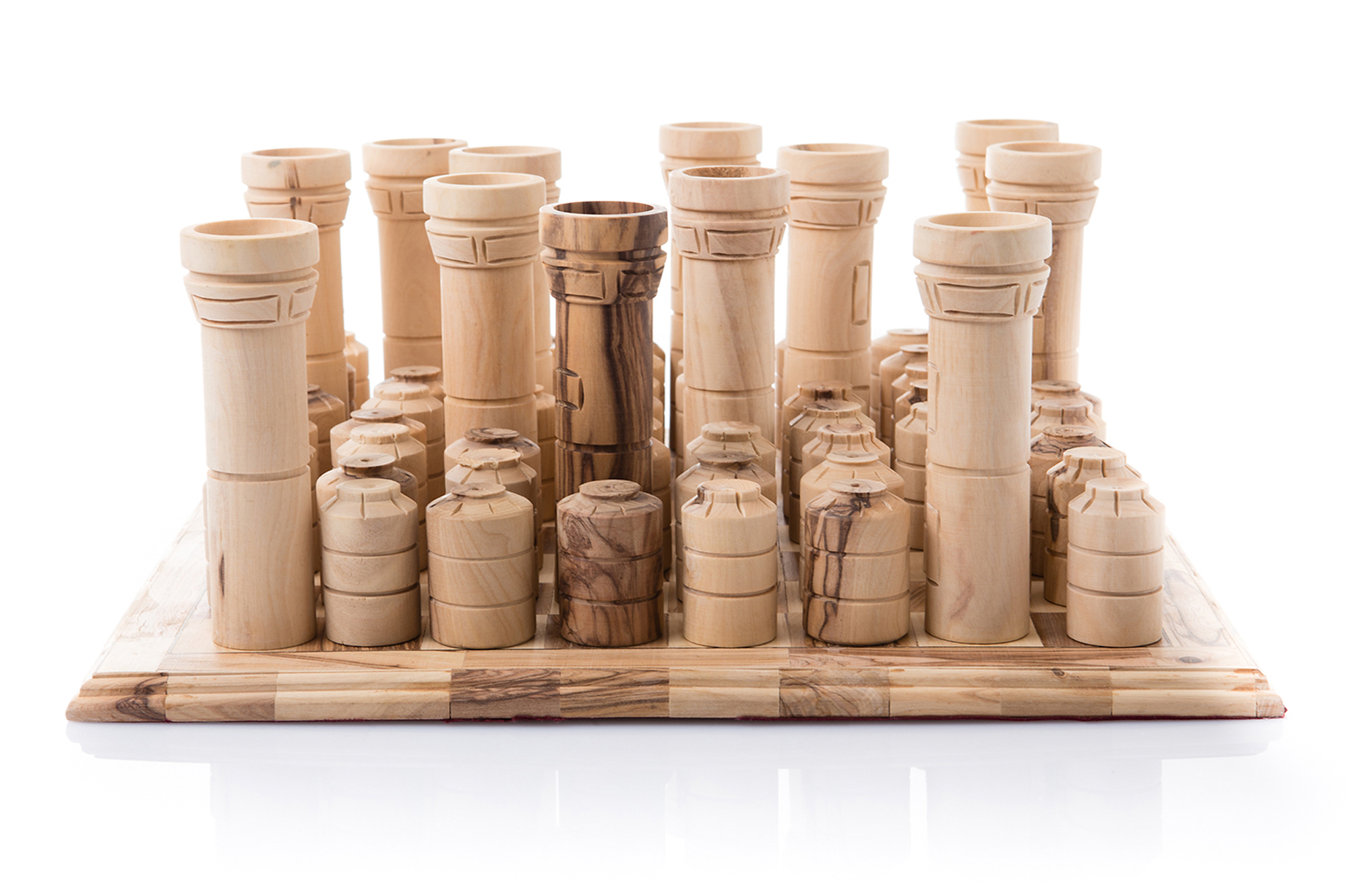
  • An alternative chess set commenting on the occupation, with watchtowers and water tanks as pawns occupying every square on the board, resulting in a permanent deadlock with no winners. Designed and produced by Majed Abu Farha, Nader Rishmawi, Beith Fahour and Mark Jan van Tellingen. (Photo: Celine Callens)

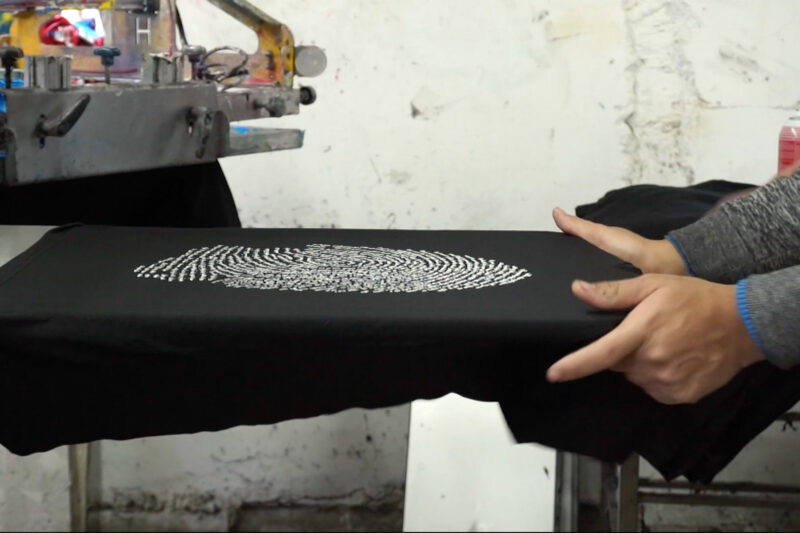
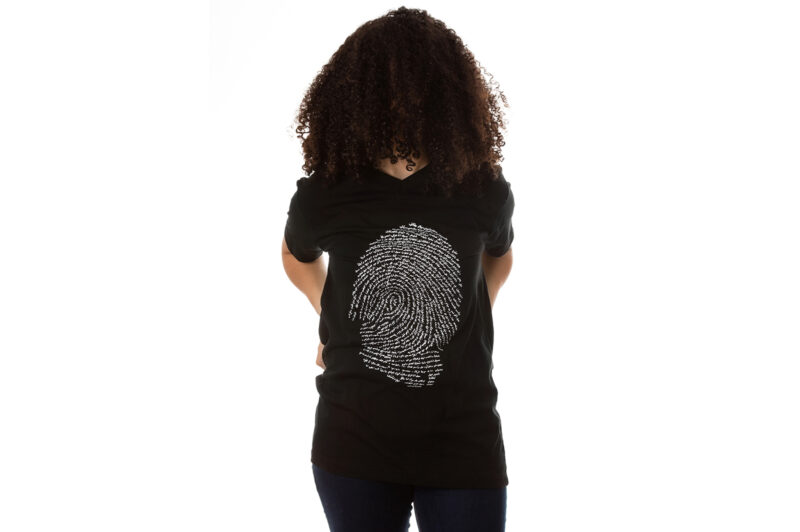
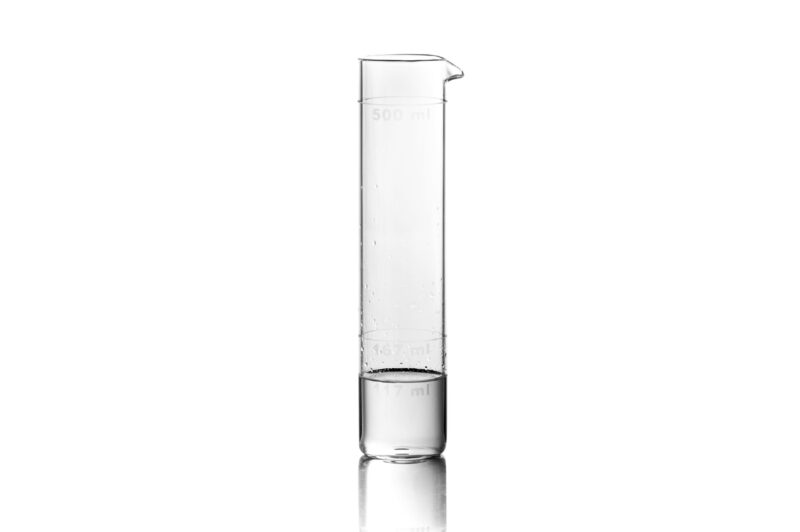
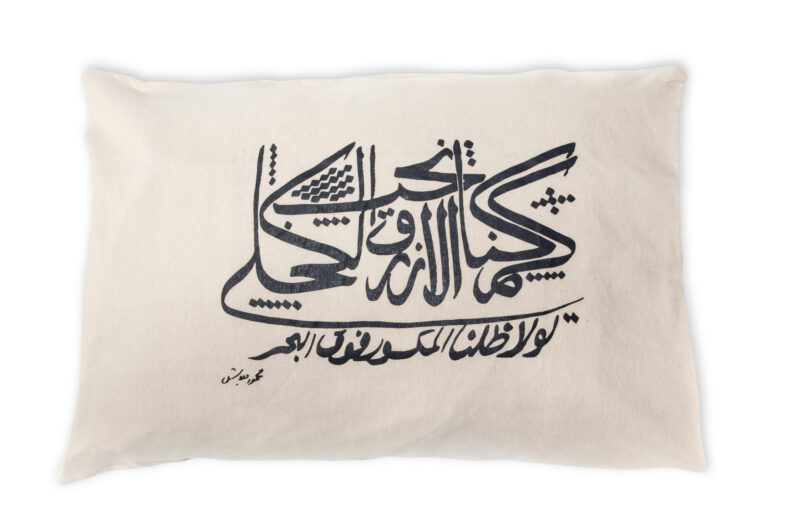
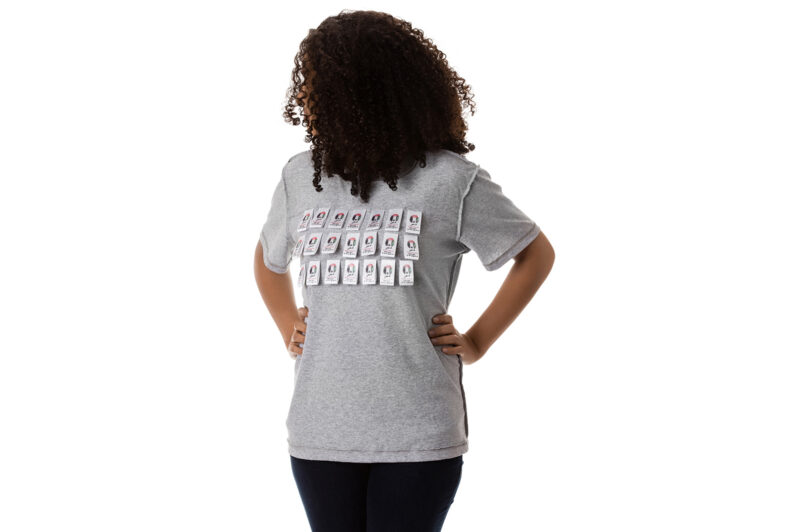
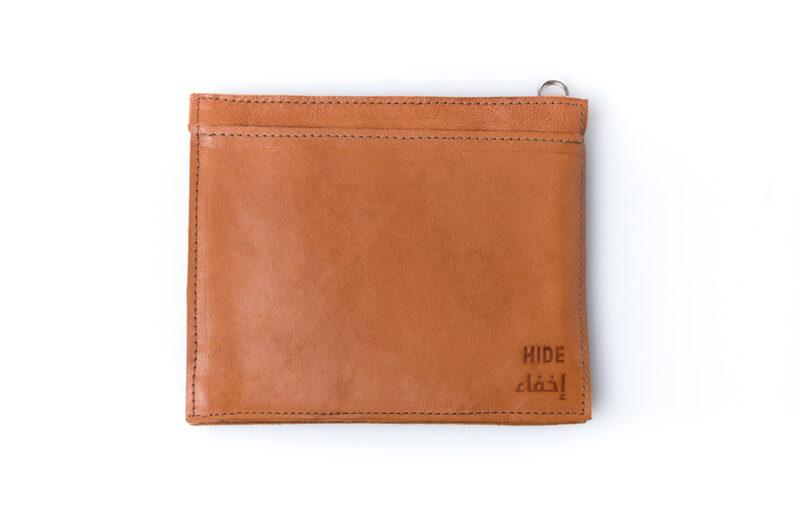
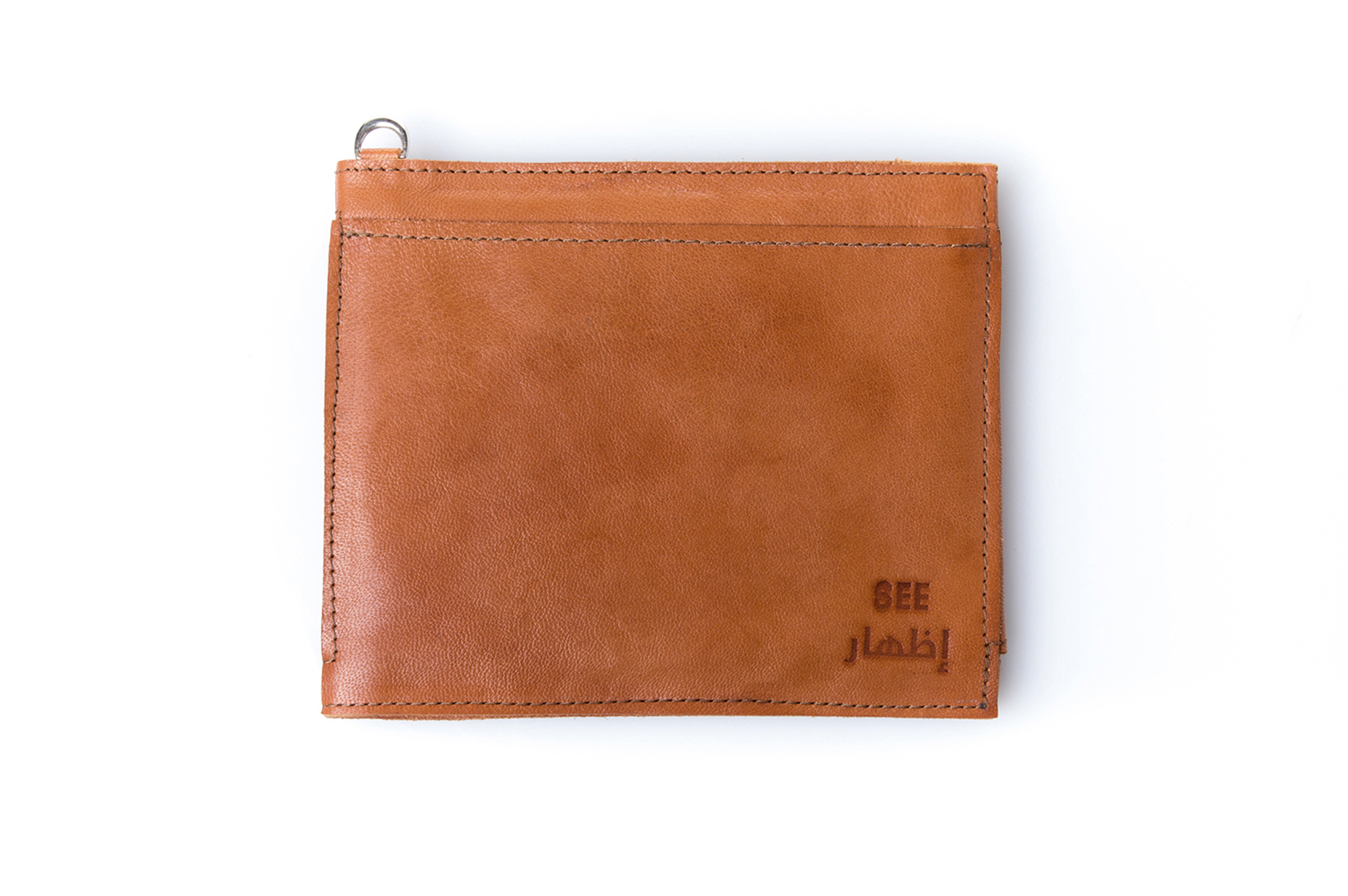
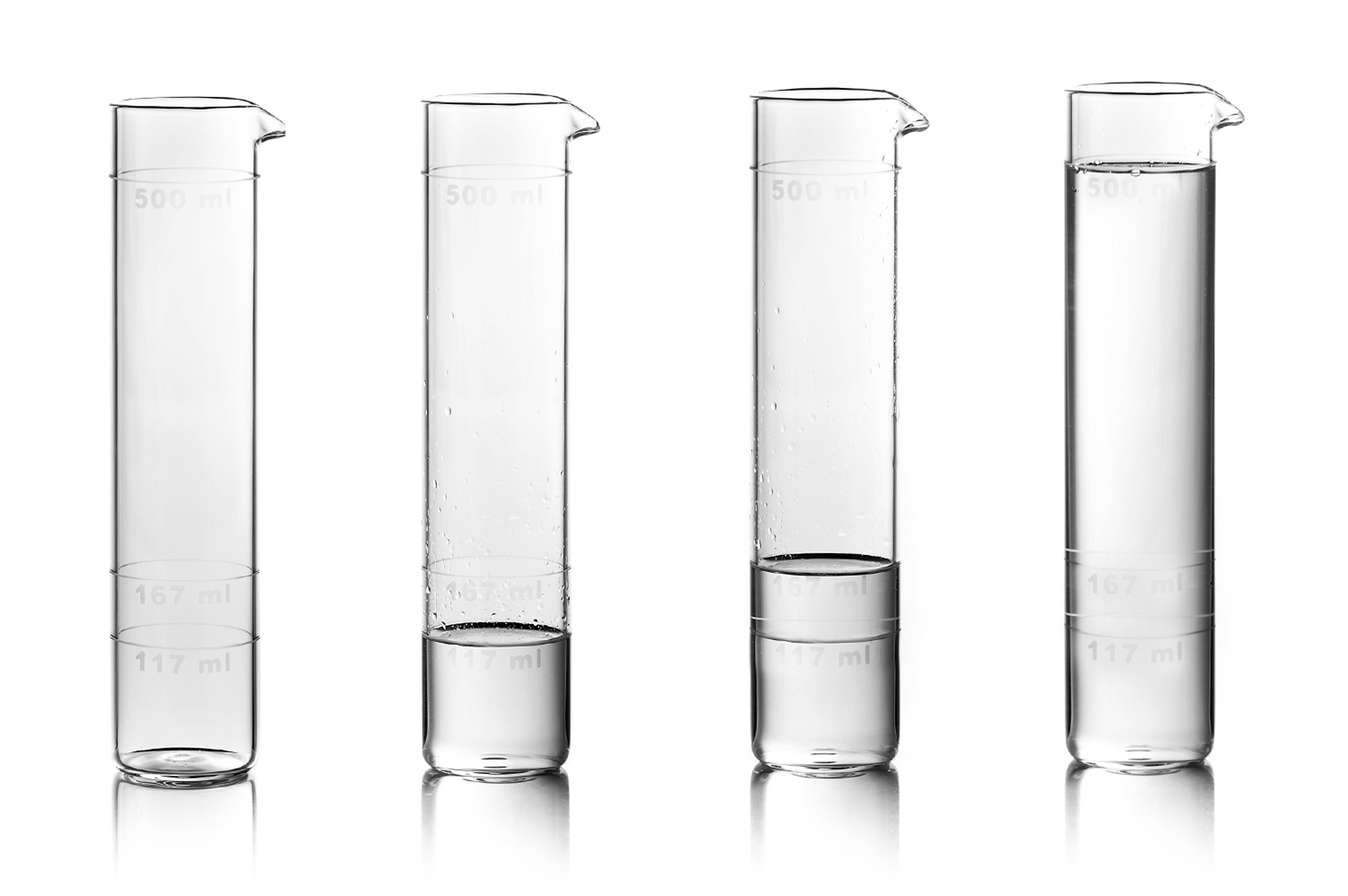
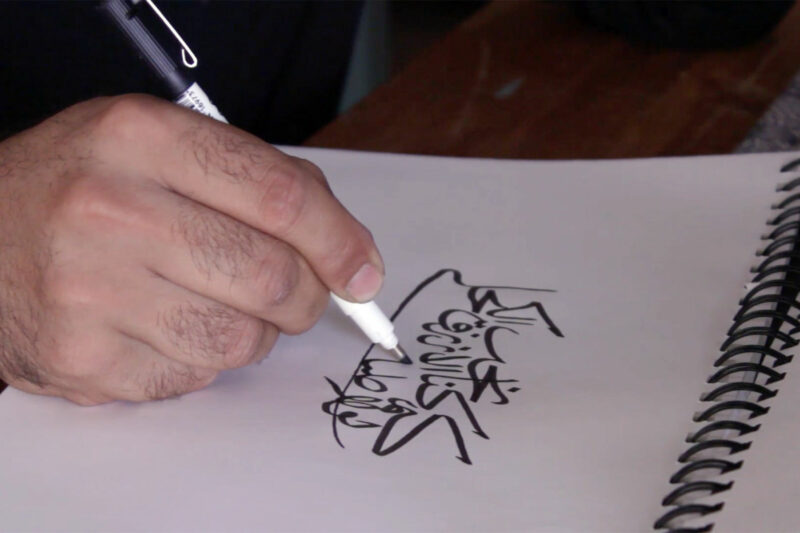
The platform’s online catalogue, which after five years of activities contains more than 50 products, resonates with explicit or metaphorical references to the realities of daily life in Palestine. Items include a glass measuring cup which demonstrates the unequal distribution of water between the inhabitants of the West Bank and Israel, a leather wallet that reveals and conceals different identities, a chess set with watchtowers and water tanks as pawns, a T-shirt with ‘I am an Arab’ calligraphed in the shape of a fingerprint, or a pillow case with screenprinted Arab poetry to protect dreams.

Although several of the designs deal directly with the wall, the checkpoints, the violence and so on, each object also expresses the designer’s cultural pride. As architect Ibrahim Alhindi puts it, ‘through Disarming Design, we are encouraged to do more to show to the world not only the current atrocious situation but also to radiate our identity in a positive way.’

Dutch designer Annelys de Vet co-developed the context for this platform some six years ago after working on the Subjective Atlas of Palestine, a project developed in direct collaboration artist Khaled Hourani, curator Reem Fadda and the international Academy of Arts Palestine. She was inspired by the richness of local craft traditions and the quality of the artistic scene, but didn’t encounter many collaborations between the local artisans and designers. In response to a call from, a global NGO committed to a world with less poverty, together with Khaled Hourani she began to organise what would become Disarming Design, organising workshops in several areas of Palestine.

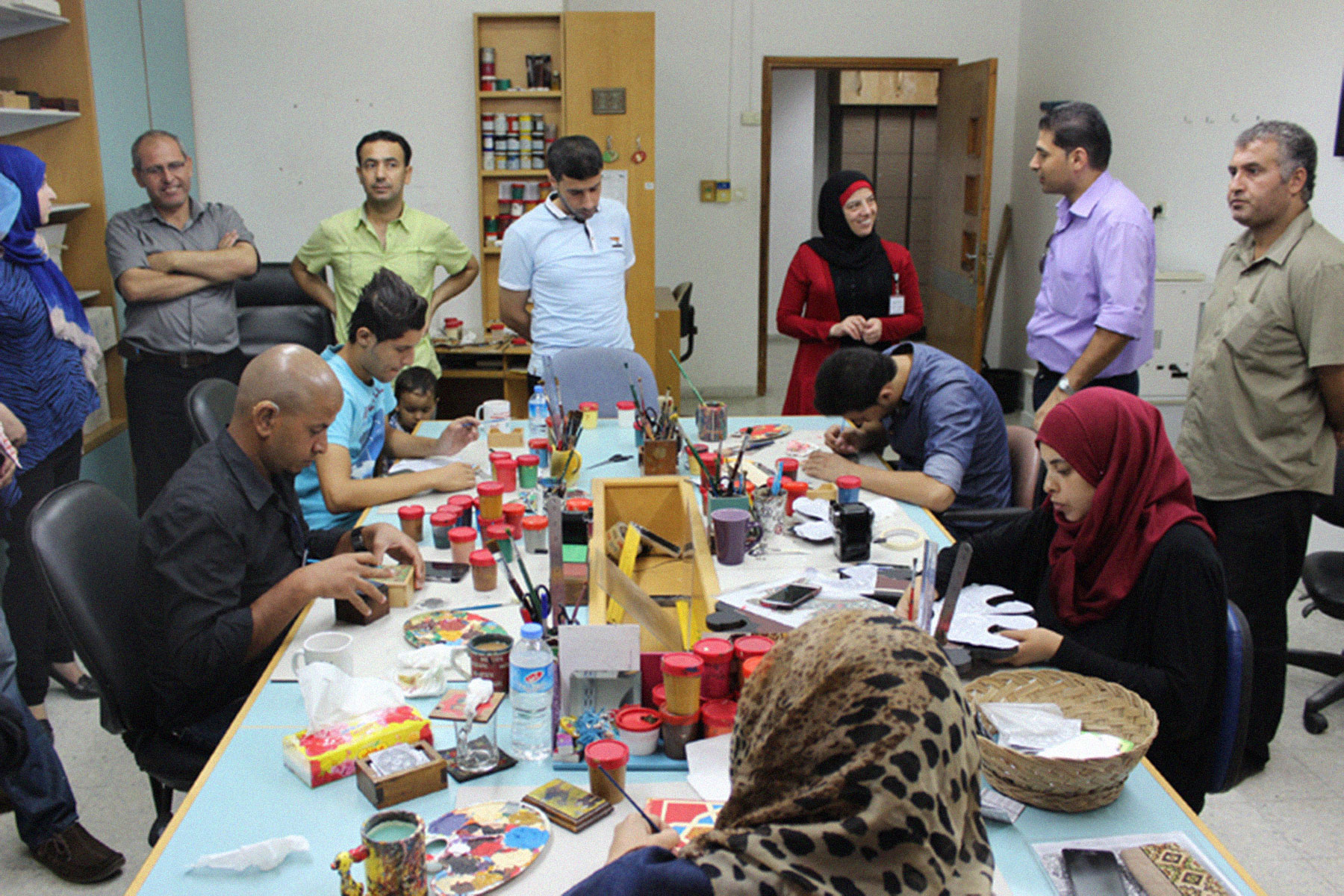
  • One of Disarming Design from Palestine’s yearly workshops where new products are proposed and developed (Gaza city, 2014). The designers and artisans in Gaza investigate existing production techniques to determine the feasibility of larger-scale production. (Photo: Mohamed Abusal)

Many of the participants perceived this suggested collaboration as very innovative. Interior designer Ghadeer Dajani, now the platform’s production manager, can testify to this: ‘Before I attended my first create shop in 2015, I didn’t think too highly of our local crafts production. It felt as if it was restricted to traditional embroidery and to the usual products in ceramics and glass and so on. We always saw the same things over and over again at the market. There was never someone who would do something different or revolutionary. Disarming Design made us aware that we have this heritage and that we could do something new with it. That it is Palestinian, a part of our identity and that we can be proud of it.’

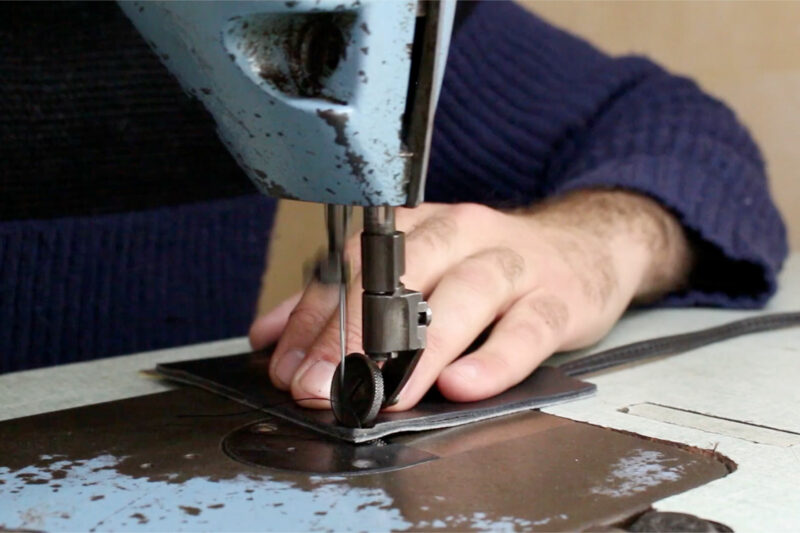
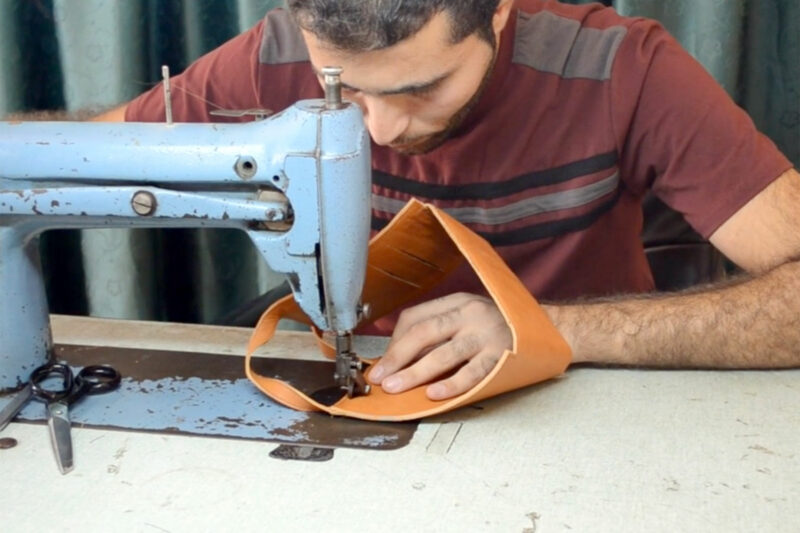
The artisans, for their part, were equally sceptical. Saad Ghanem, a leather craftsman who has produced several objects for the Disarming Design collection, was initially quite resistant to the idea of working with designers. ‘It took me some time to overcome these sentiments. But after a while it turned out to be very beneficial for all of us. I definitely have developed my ideas thanks to the way these designers are working, and I have taught them, through my techniques, different ways of doing things.’

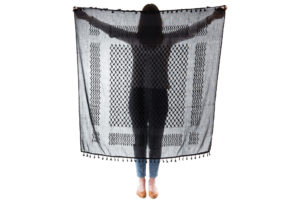
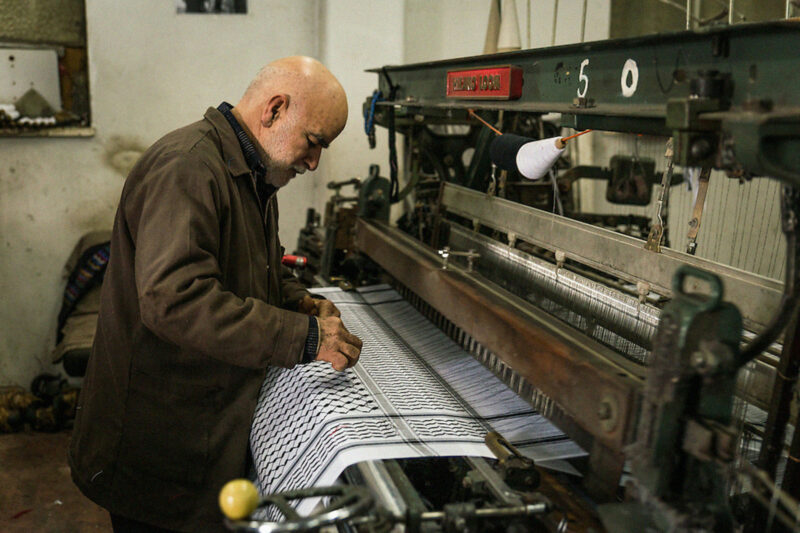
Though the Academy and de Vet have managed to bring these two communities closer together and let them discover how beneficial they can be for each other, the platform still faces many other obstacles. Palestine is subject to a global economic reality. Large-scale, low-cost foreign production has led to the closure of many local craft studios and artisanal factories. Even their traditional scarfs are mostly produced in China. Abusal says that the Israeli siege makes it impossible to import necessary raw materials into Gaza, and many small-scale studios have gone out of business. Ghanem adds that because of the occupation it is difficult to develop one’s skills, due to the lack of training facilities and educational opportunities.

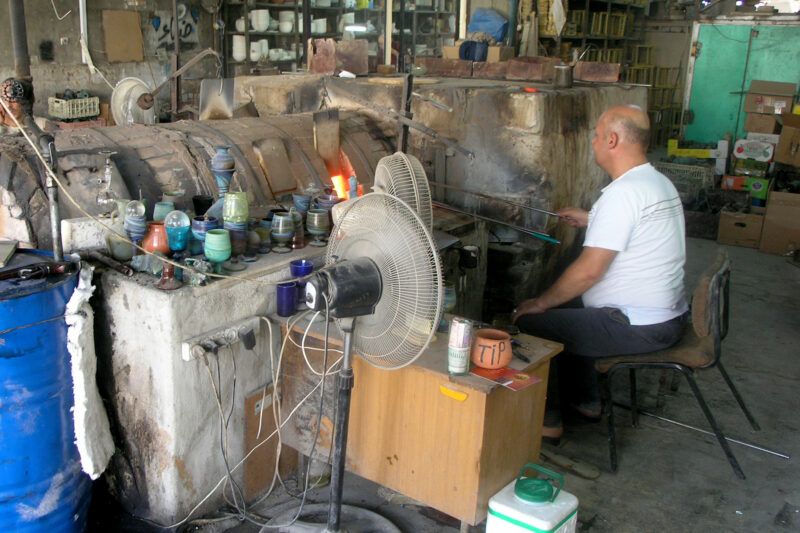
Disarming Design addresses this challenge with a two-part structure. First, there is a not-for-profit company in Palestine which is responsible for organising the yearly workshops and following up with the production of the resulting artefacts. To date, more than 70 Palestinian and international designers have participated in five workshops, with a sixth taking place in autumn 2017 in a Palestinian refugee camp in Jordan. Fifty of the 80 designs from those workshops are currently in production and are manufactured in collaboration with more than 30 local crafts factories and individual artisans including woodcutters, ceramicists, embroiderers, printmakers, glass blowers and soap makers. Second, there is a Belgian foundation which handles international promotion, distribution and sales. They reach out to potential customers through online sales as well as a variety of events, exhibitions and pop-up shops.

  • A leather travel pouch that can reveal or conceal different identities, designed to hold two passports and additional documents that Palestinians need to cross checkpoints and borders. Jordan is the only country in the world to which Palestinians can travel without a visa. Designed and produced by: Moniek Driesse, Saad Ghanem, and David Juan Ortiz. (Photo: Celine Callens)

Ghanem explains that this rather complex organisational structure is vital because of the complicated reality of this particular region. ‘Because of the occupation, it is a real problem for us to export our products. Everything is stopped at the border. But even if I managed to send my products abroad, I wouldn’t be able to get paid. Israeli laws make it impossible to pay me with Visa or through foreign money transfers. The Disarming Design platform has helped me to overcome these problems, as they don’t experience the same export restrictions. They can also collect the money and make payments to us.’

Notwithstanding these specific economic contributions, the platform is still too small to act as a significant revenue source for all Palestinian designers and artisans involved. Dajani says that currently they cannot significantly contribute to the financial sustainability of any of the artisans or designers, but that their ultimate objective has to be to support low- and middle-income businesses. ‘We are quite unique, and we are needed. The lack of real economic growth has reduced opportunities for an increasingly educated Palestinian population, so people are starting to look at us as an important step towards a less vulnerable financial position. To my knowledge there are few organisations that support them in selling their products outside Palestine.’

It would be too optimistic to say that Disarming Design manages to overcome these barriers, but Abusal and others are convinced that this collaborative approach can provide a way to reopen closed crafts shops in the future. For the present, the platform is succeeding in creating a symbolic economy, enabling customers all over the world to support the Palestinian cause, giving them a real boost of confidence.

  • This measuring cup demonstrates the unequal division of water for Palestinians and Israelis. Palestinian consumption on the West Bank is about 70 l (18.5 gal) a day per person, whereas Israeli daily per capita consumption is at about 300 l (79.25 gal). In some rural communities Palestinians survive on barely 20 l (5.3 gal) per day. The cup lacks traditional measurement values, indicating the constant calcu­lations Palestinians face concerning water consumption: ‘If I do the dishes, can I wash my clothes as well?’ (Photo: Celine Callens)


According to the former executive director of Disarming Design, ecological space designer Mohammad Saleh, the most important achievement of the platform lies in the fact that it shows the Palestinian people as human beings with a rich culture, putting them in a respectful light while giving them broad exposure. ‘Since the very first moment that we started working together, we have been looking at our country in a totally different, confident and hopeful way.’ He maintains, despite the problems they face, Palestinian artists are using the reality of their daily life as a source of inspiration. ‘Now we can spread our stories using creative, productive and positive thinking.’

The first five years have been inspirational to many. A unique design platform has been created from scratch in what easily could be called one of the most problematic regions in the world. Disarming Design from Palestine is providing insight, empathy, opportunities, learning possibilities, and so much more. Above all it is a tool for all those, within and outside Palestine, who want to express that no individual and no community, wherever in the world, should be kept under oppression and occupation. It will be the next five years, however, that shall determine if this design initiative is capable of effectively altering the situation of those oppressed or if it is just another spin at the wheel.


This article has been published in adjusted form in Works that Work (march 2017).

About Contact
facebook
How can design help counteract unjust realities Rug industry was an essential part of their lifestyle Define what is needed to enhance social, political and emancipatory impact Disarming is an approach that positions design as a cultural tool to oppose oppression Storytelling can be seen as a form of resilience and resistance Giving space to other knowledges through a design process Collective memories highlight relationships that allow a crossing and intermingling between differences. Exploring how design can be a vehicle for political resistance and solidarity Investing in conditions for a learning experience that focuses on economic, political and artistic independence How to present work online and reach the right audience? Extraordinary people working in areas where cultural expression faces challenges The effect of occupation on local design and how it restricts craft and product development What does it mean to be Palestinian today, and how to express that through locally made designs? Overviewing methods and exercises on oral tradition A place for knowledge exchange and community building in relation to contemporary design How can we reflect, integrate and interact with oral tradition? “The only thing that gets me going is sharing stories.” What roles do listening, remembering and going public play in the performance of oral history? Ticking needles, curious questions, whispering experiments, rhythmic embroideries and a ping pong of ideas Supporting students and designers on reviving their industries of handicrafts and innovative production Can we think of freedom beyond a logic of progress? Learning together while doing Creating space for artists to link their designs with local histories. A collaborative process with high emphasis on creativity, collaboration, making and quality We felt powerless and were struggling how to relate to this uncomfortable truth Crafts are a social act that relates to the sense of a place, how a community is built How can we envision a political horizon beyond the realities around us? "Today in Birzeit." What is ‘home’? When and where are we at home? How can we change our surroundings and how can design contribute to the quality of life? Collaboratively developing a series of thought provoking products Showing the disarming reverse side of the black-and-white image
About Contact
facebook
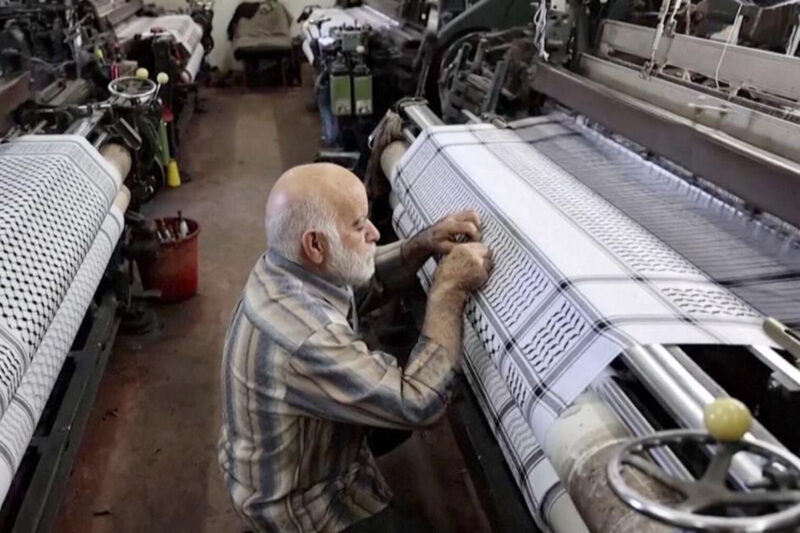
The design is an invitation to the world to look closely Catalyse a broader view and prevent people from covering Reminding us to bear a greater responsibility towards life The false accusation may have ended, but the occupation has not Caring for identity is as important as protecting health itself Aside from their cultural significance, these seeds carry options for our future survival Catalysing a more open view and preventing people from covering over their own eyes when it comes to Palestine The more time we spend together, and listen, the more stories are unveiled A rapidly growing but comparatively small niche of Palestinian science fiction Sublime landscapes, tranquil urban scenes, frolicking children; who would associate these images with Palestine? “Record! I am an Arab, and my identity card is number 50 000” The Hirbawi factory is one of the only remaining factories to manufacture keffiyeh locally Wearing this unique piece on becomes both a political statement This apron shows what is the one and only recipe for its artist Our roots hold strong and silently in the earth Our trees are like our children The shared taxi is part of the West Bank urban landscape There are no possibilities of movement, since all the squares on the board are occupied Erasing the Israeli checkpoints from the landscape and envisioning a Palestine free from the occupation “We love life whenever we can” An illegal apartheid wall, on a scale impossible to imagine A flourishing craft industry established during the time of Roman rule in Palestine The artist decided to declare the existence of a non-existent state Only two soap factories survive today The occupation also takes part of the body and mind Living under occupation is an attack on people’s mental strength Most importantly they had the “Made in Palestine” tag on them The pattern of this keffiyeh is found and copied in Palestine Shoes have a long tradition as symbols of opposition and defiance You begin to realise that you have become yet another victim of the spell “I felt confused, between humiliation and joy" The birds’ freedom of flight and movement is in sharp contrast Behind each of these numbers there is a personal story The plates connect different locations in the world to Gaza The embroidery on this scarf is based on a traditional scarf in Gaza Travelling with a Palestinian Authority passport is still subject to many limitations Is it even possible to be neutral in situations of oppression? Why do we too rarely address the contemporary reality of this city and region Talking about Palestinian football is rare, although there is a national team This tailor-made garment is fragile Why can’t we be as generous as nature itself?
About Contact
facebook
The design is an invitation to the world to look closely Catalyse a broader view and prevent people from covering Reminding us to bear a greater responsibility towards life The false accusation may have ended, but the occupation has not Caring for identity is as important as protecting health itself Aside from their cultural significance, these seeds carry options for our future survival Catalysing a more open view and preventing people from covering over their own eyes when it comes to Palestine The more time we spend together, and listen, the more stories are unveiled A rapidly growing but comparatively small niche of Palestinian science fiction Sublime landscapes, tranquil urban scenes, frolicking children; who would associate these images with Palestine? “Record! I am an Arab, and my identity card is number 50 000” The Hirbawi factory is one of the only remaining factories to manufacture keffiyeh locally Wearing this unique piece on becomes both a political statement This apron shows what is the one and only recipe for its artist Our roots hold strong and silently in the earth Our trees are like our children The shared taxi is part of the West Bank urban landscape There are no possibilities of movement, since all the squares on the board are occupied Erasing the Israeli checkpoints from the landscape and envisioning a Palestine free from the occupation “We love life whenever we can” An illegal apartheid wall, on a scale impossible to imagine A flourishing craft industry established during the time of Roman rule in Palestine The artist decided to declare the existence of a non-existent state Only two soap factories survive today The occupation also takes part of the body and mind Living under occupation is an attack on people’s mental strength Most importantly they had the “Made in Palestine” tag on them The pattern of this keffiyeh is found and copied in Palestine Shoes have a long tradition as symbols of opposition and defiance You begin to realise that you have become yet another victim of the spell “I felt confused, between humiliation and joy" The birds’ freedom of flight and movement is in sharp contrast Behind each of these numbers there is a personal story The plates connect different locations in the world to Gaza The embroidery on this scarf is based on a traditional scarf in Gaza Travelling with a Palestinian Authority passport is still subject to many limitations Is it even possible to be neutral in situations of oppression? Why do we too rarely address the contemporary reality of this city and region Talking about Palestinian football is rare, although there is a national team This tailor-made garment is fragile Why can’t we be as generous as nature itself?
×